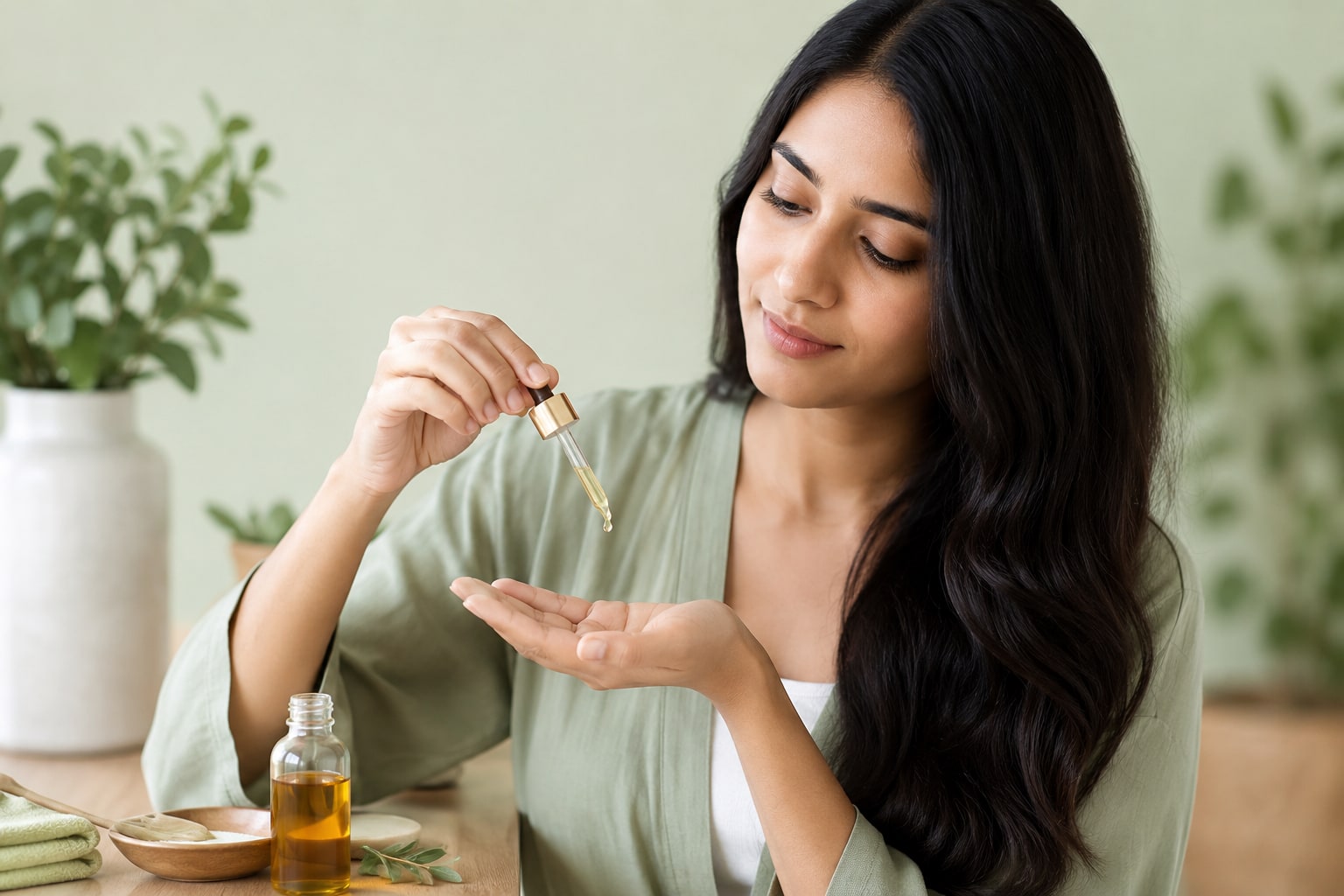
How-To
How Much Hair Oil Should You Use?
A practical dosing guide for fine, medium, and thick hair with measurement tables, oil-type ranges, and a quick decision checklist.
Updated September 2026
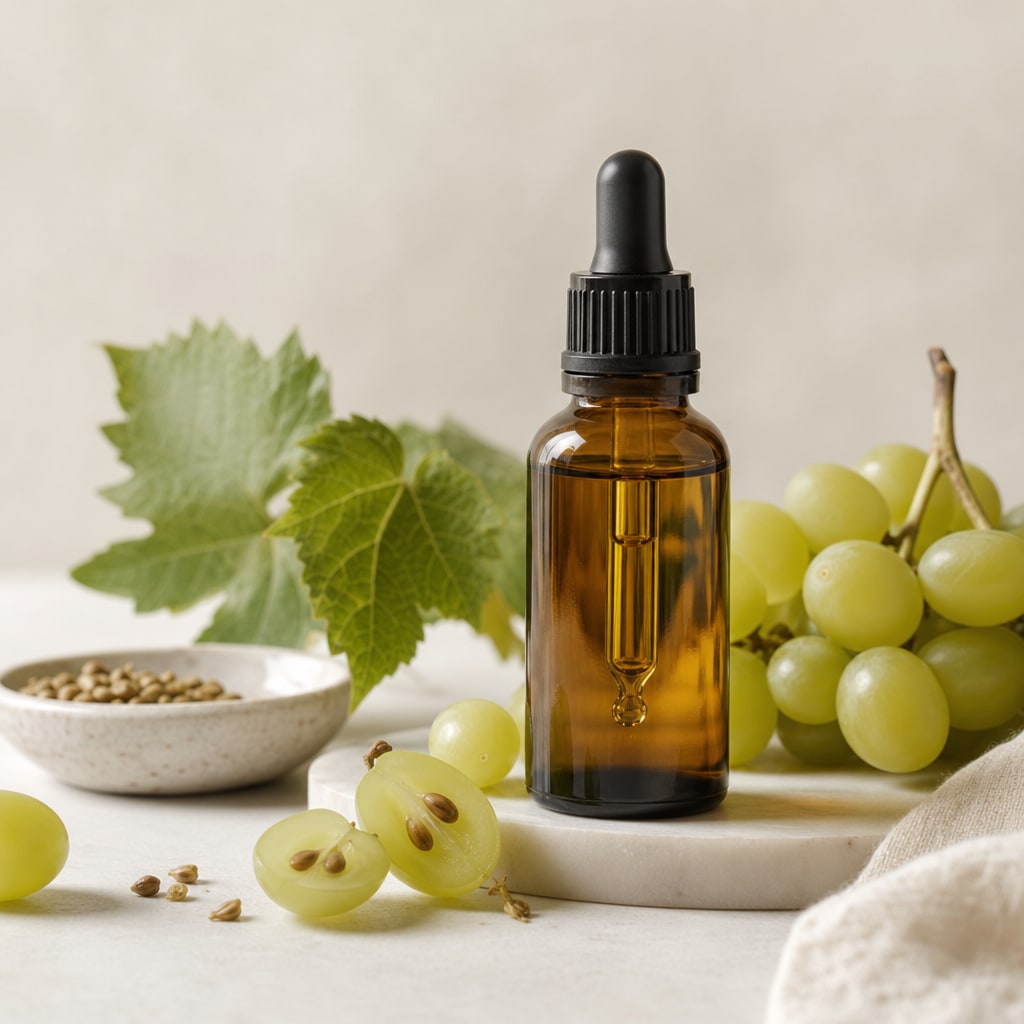
Learn how grapeseed oil delivers lightweight shine, frizz control, and easy spread for fine hair and oily-prone scalp routines.
Grapeseed oil is a favorite among users who want the benefits of oil care without the weight that often comes with richer formulas. It is light, easy to spread, and adaptable for frequent use, which makes it especially helpful for fine hair, low-density styles, and anyone who dislikes sticky residue. If you have stopped using oils because your hair felt flat, grapeseed is usually one of the first oils worth revisiting.
Its biggest strength is subtle consistency. Grapeseed does not usually create dramatic overnight changes; instead, it supports day-to-day polish, reduced friction, and gentle moisture retention when layered correctly. That profile fits modern routines where people need practical styling support between work, weather, and frequent washing.
Grapeseed is one of the lightest carriers — ideal when volume and humid-weather finish matter more than heavy seal.
| Hair profile | Start with | Typical dose | Open this guide |
|---|---|---|---|
| Fine hair | Damp or dry ends | 1–3 drops | Grapeseed for fine hair |
| Oily scalp | Ends + optional light carrier | 1–2 drops | Grapeseed for oily scalp |
| Curly hair | Refresh polish | 2–4 drops | Grapeseed for curly hair |
| Thick hair | Layer under richer seal if needed | 3–5 drops | Grapeseed for thick hair |
| Color-treated | Friction cut without heavy film | 2–4 drops | Grapeseed for color-treated hair |
Compare weight with almond vs grapeseed. For a slightly richer light finish, try jojoba for fine hair.
Grapeseed oil has a low-viscosity feel that allows thin application and quick distribution. In practical terms, it can coat hair lightly without overpowering texture, making it easier to preserve movement and volume. This is why many users prefer grapeseed for refresh-day touch-ups and lightweight leave-in support.
The low weight also makes grapeseed useful as a carrier oil. It can dilute stronger essential oils for scalp routines without adding dense buildup. Users who like rosemary or tea tree protocols often rely on grapeseed to keep blends wearable.
Despite its lightness, grapeseed still requires dose awareness. Repeated heavy layering can flatten hair and attract buildup, especially when combined with creams and serums. A small amount is usually enough.
The first benefit is lightweight shine. Grapeseed gives a clean polish that looks healthy and natural on many hair textures. It is particularly good for users who want shine without a glossy “coated” appearance.
A second benefit is frizz moderation with flexibility. Grapeseed can smooth flyaways while preserving bounce, making it useful for blowouts, braids, and loose textured styles.
A third benefit is styling ease. Better slip means less tugging during combing and finger detangling, which can reduce mechanical breakage over time when paired with gentle technique.
A fourth benefit is versatility in blend routines. Grapeseed works with both scalp-focused and shaft-focused plans, acting as a neutral base that does not dominate texture.
Grapeseed can feel too light for users with severe dryness or highly porous hair unless paired with richer sealants in target zones. It performs best as a daily maintainer rather than a heavy rescue treatment.
Another pitfall is expecting scalp treatment outcomes from shaft-only use. If your concern is primarily scalp comfort, grapeseed should be part of a scalp plan, not only an end-finishing habit.
Finally, overapplication remains a risk. “Light oil” does not mean unlimited quantity. Fine hair users should start with one drop and increase only when needed.
Warm one drop and smooth across dry mid-lengths and ends. Add a second drop only for longer or thicker hair. This is ideal for fast morning styling.
After leave-in conditioner, distribute 2 to 4 drops on damp lengths. This helps maintain softness and reduce static throughout the day.
Mix grapeseed with rosemary or tea tree at conservative dilution and apply in scalp sections before washing. This keeps texture light while supporting scalp-focused goals.
Our grapeseed catalog includes options for multiple routine needs:
Choose based on texture tolerance and how often you expect to apply.
Fine and low-density hair are often excellent matches for grapeseed because it provides lubrication without obvious collapse when dosed correctly. Curly hair can use grapeseed as refresh support to tame frizz while preserving pattern shape. Thick or very dry hair may still benefit from grapeseed as a base layer under richer oils in targeted areas.
Color-treated hair often responds well to grapeseed for shine and detangling support, especially on days when heavy products feel too much. Oily scalp users should keep root application measured and focus on cleanse cadence.
Use these pages for hair-type-specific picks:
This keeps movement while reducing dryness.
Great for humid-weather style maintenance.
This balances scalp goals with lightweight finish.
Decide whether you need pure grapeseed for flexibility or a hair-specific blend for convenience. Pure options are ideal for users who blend with essential oils or switch routine intensity seasonally. Hair blends may offer immediate cosmetic polish but can vary in added fragrance and texture modifiers.
Prioritize packaging that matches your dose habits. Droppers are useful for precision on short or fine hair, while pumps can suit longer hair if used carefully. The right package helps prevent accidental overuse.
Because grapeseed is subtle, users sometimes assume it is not doing enough after only a few applications. Before switching oils, evaluate your baseline. If friction during detangling is lower, flyaways are calmer, and ends feel less rough by day two, grapeseed is likely working even without dramatic visual transformation.
If dryness persists, increase hydration support rather than grapeseed quantity. Add a better leave-in step, then keep grapeseed dose small. Excess oil without hydration rarely solves dryness and often creates flatness.
If hair turns limp by midday, move grapeseed application from roots and upper shaft to lower lengths only. Lightweight oils still concentrate where applied, and short styles can become overloaded quickly.
If you need more sealing on extremely dry ends, combine grapeseed with a richer oil in a ratio that keeps overall texture comfortable. This lets you preserve grapeseed’s clean feel while adding targeted staying power.
One more practical adjustment is timing. If morning application seems to disappear too quickly, shift grapeseed to nighttime on lightly damp ends after your refresh step. Overnight contact can improve next-day softness without forcing larger daytime doses. Small timing changes often deliver bigger results than buying multiple new products, especially in dry climates.
Grapeseed oil is one of the best choices for users who want lightweight, low-residue conditioning and easy daily shine support. It is especially effective for fine hair, frequent wash routines, and anyone rebuilding trust in oils after heavy-product frustration.
Use grapeseed consistently in small amounts, pair it with hydration, and adjust by climate and styling load. With that approach, it can deliver stable long-term results and become a dependable foundation for both simple and advanced hair routines.
Yes, grapeseed is commonly used for fine hair because it is lightweight and less likely to feel heavy.
It can help smooth the hair surface and reduce flyaways when applied in small amounts.
Many users apply it several times weekly or daily in micro-doses depending on dryness and styling needs.
Neither is universally better; grapeseed is often lighter while argan may feel slightly richer.
It can, but scalp application should still be limited and followed by regular cleansing.
It can reduce friction and improve slip, which may lower mechanical breakage during styling.
Yes, it blends well with rosemary, tea tree, or richer oils to adjust texture and spread.
Both methods work: damp for sealing moisture and dry for light shine finishing.
Oil + hair type guides
Each guide pairs this oil with a specific hair type for dosage, pros, and product picks.
Further reading
How-to routines and oil comparisons that complement this oil profile.
A practical dosing guide for fine, medium, and thick hair with measurement tables, oil-type ranges, and a quick decision checklist.
Learn how often to oil your hair by texture, wash schedule, and scalp response, with frequency tables and a practical decision checklist.
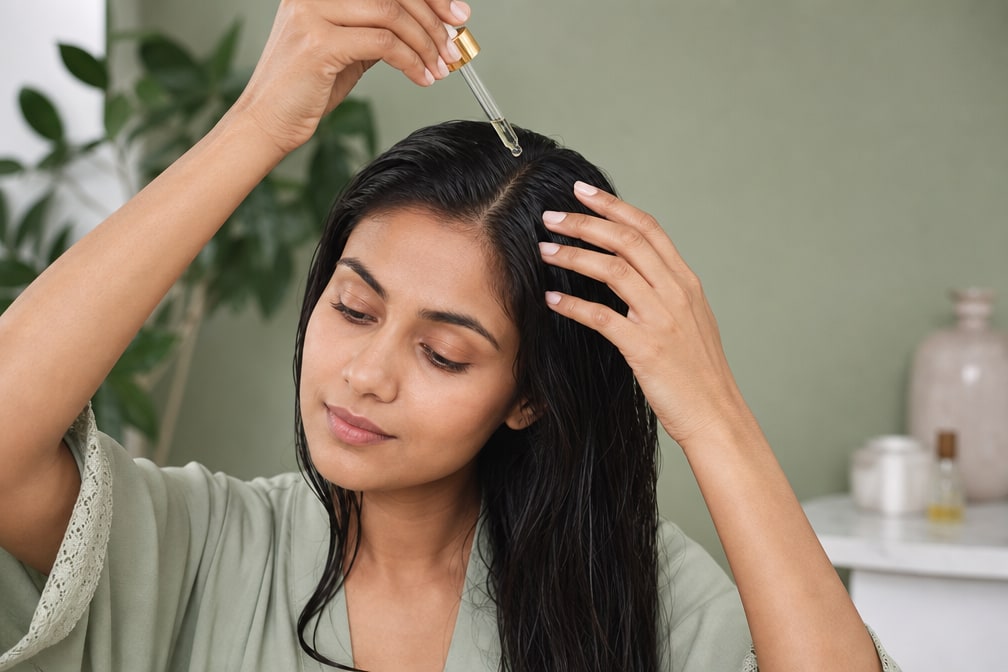
Apply hair oil with dose tables, timing checklist, and sectioning steps so fine, curly, and thick hair stay soft—not greasy.
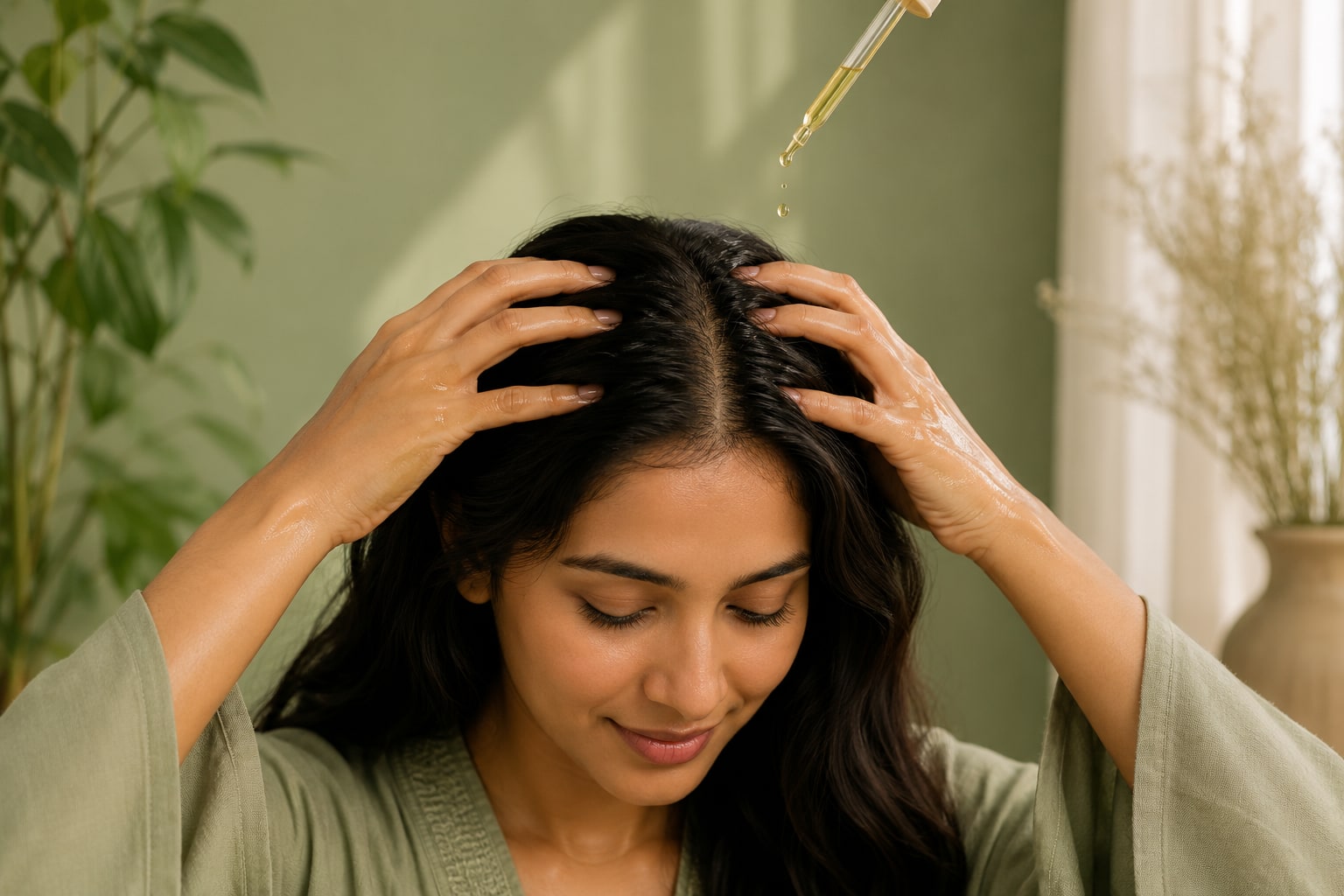
Build a gentle scalp massage routine with the right oil blends, pressure techniques, session length, and post-treatment cleansing steps.
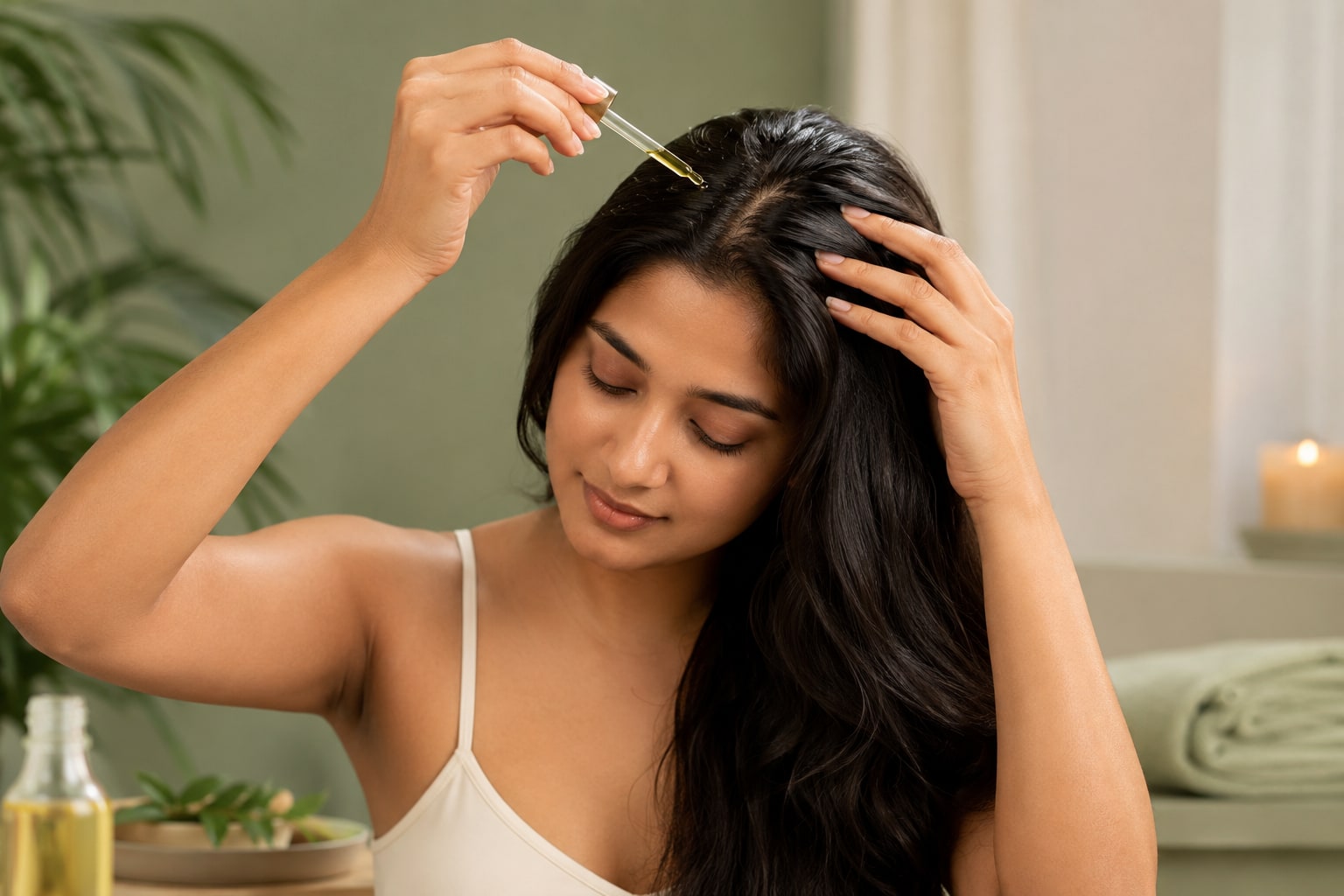
Overnight hair oiling: when it helps, dose by hair type, bedding prep, and morning wash cleanup that removes residue.
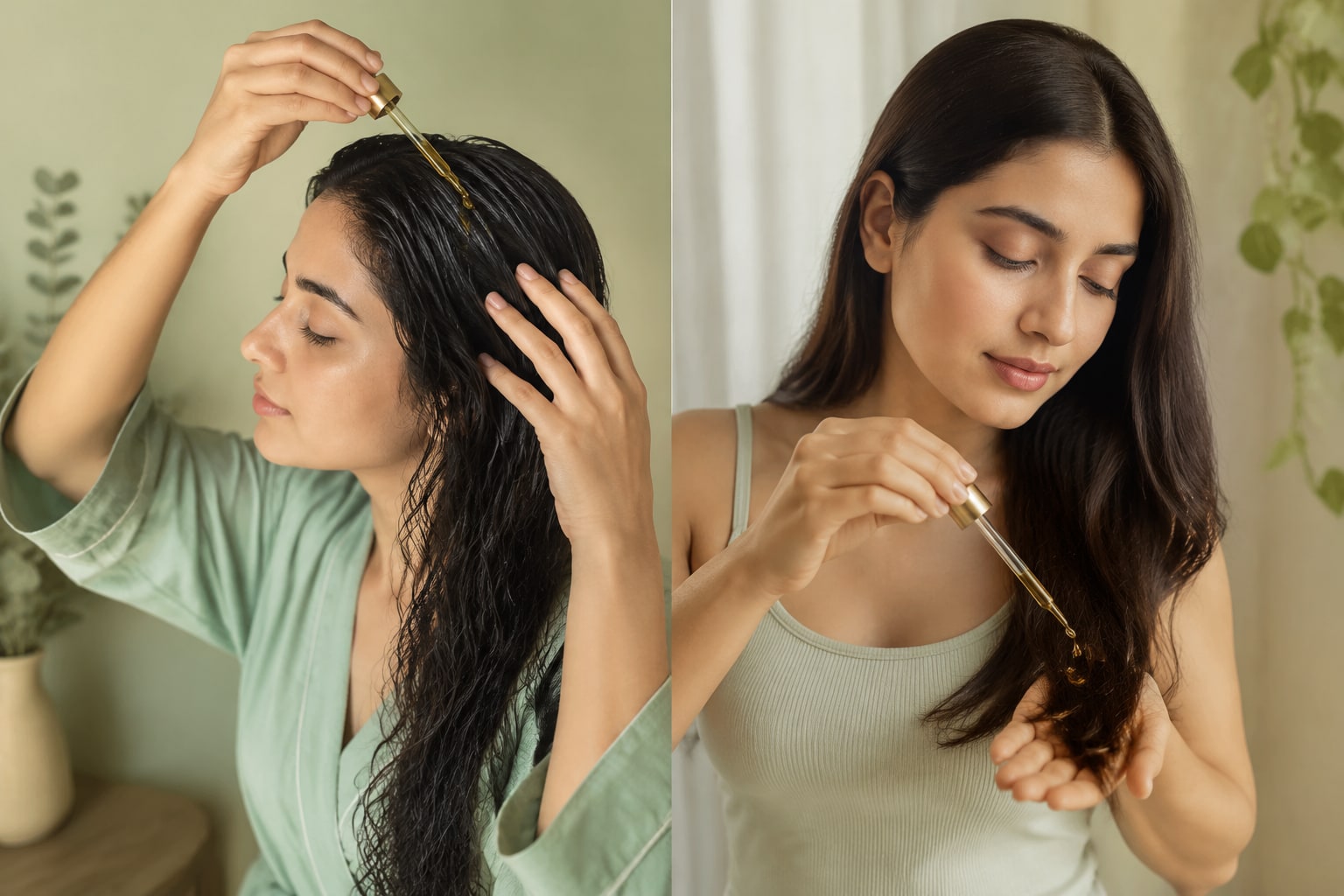
Compare pre-shampoo and leave-in oil methods with timing tables, choose-if checklists, and weekly templates for your wash schedule.
Concise routines, product updates, and new oil + hair type guides — matched to your hair goals.