How-To
How Much Hair Oil Should You Use?
A practical dosing guide for fine, medium, and thick hair with measurement tables, oil-type ranges, and a quick decision checklist.
Updated September 2026
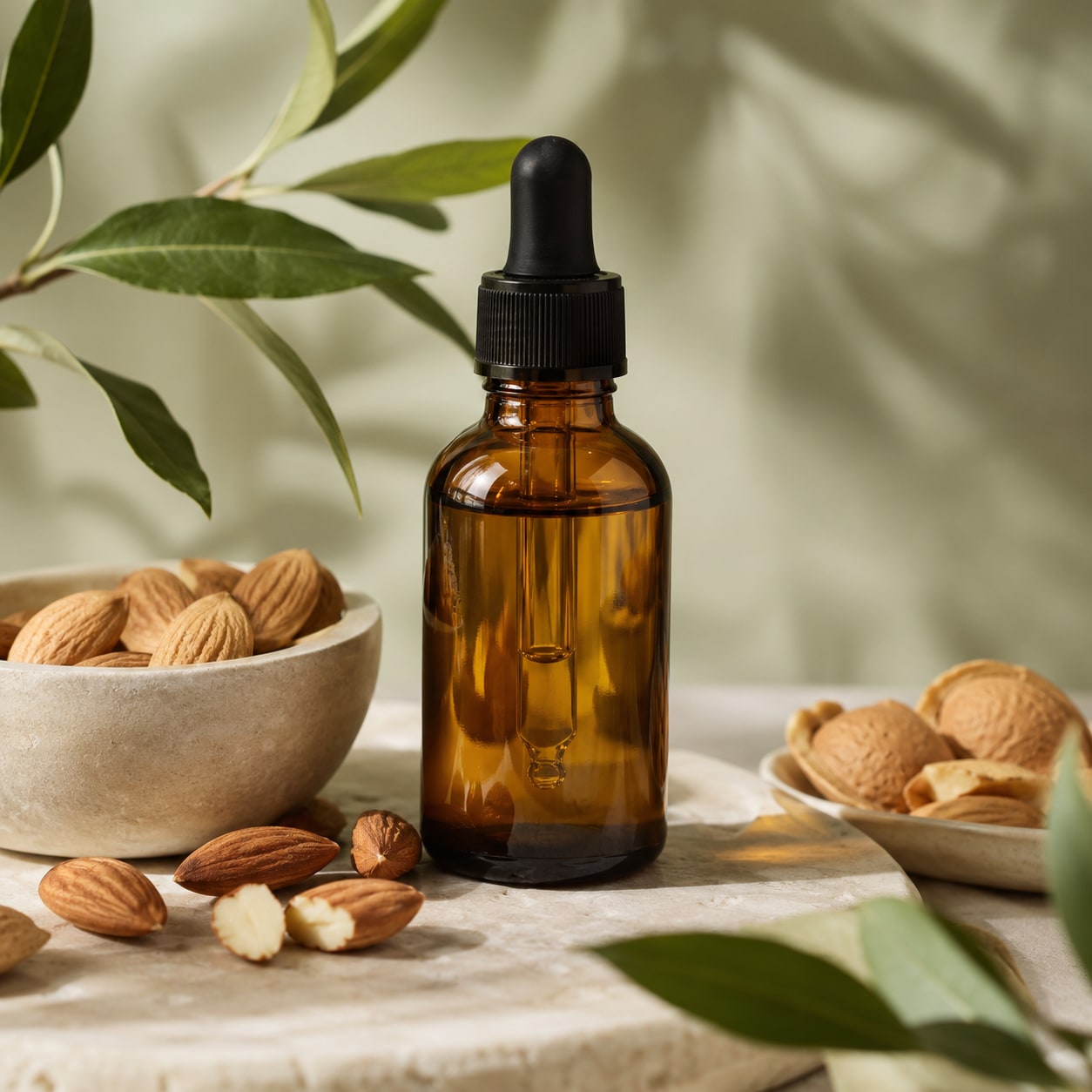
Learn how almond oil adds softness, natural shine, and daily moisture support for mids and ends without overwhelming fine strands.
Almond oil is one of the most user-friendly oils in hair care. It sits in a sweet spot between ultra-light and heavy textures, which makes it useful for people who want noticeable softness but still need movement and flexibility. If you have tried very dense oils and felt weighed down, almond can feel like a reset. If you have tried very light oils that disappear too quickly, almond can feel more substantial without becoming sticky.
Its broad routine compatibility explains why almond appears in both traditional hair rituals and modern minimalist routines. You can use it pre-shampoo, post-wash, or as a small finishing layer. It also blends easily with other oils, which helps users customize intensity based on weather, wash frequency, and styling habits.
Sweet almond oil adds soft slip in a light-to-medium weight. Skip it if you have nut allergies and use grapeseed or jojoba instead.
| Hair profile | Start with | Typical dose | Open this guide |
|---|---|---|---|
| Fine hair | Ends only, dry or damp | 1–2 drops | Almond for fine hair |
| Dry / damaged | Weekly pre-shampoo | 1–2 tsp on lengths | Almond for dry damaged hair |
| Curly hair | Pre-shampoo softness | 1–2 tsp | Almond for curly hair |
| Thick hair | Sectioned pre-shampoo | 1–3 tsp | Almond for thick hair |
| Oily scalp | Lengths only | 1–3 drops on ends | Almond for oily scalp |
Undecided between almond and a lighter carrier? Read almond vs grapeseed oil. For nut-free light finishes, open grapeseed for fine hair.
Almond oil is known for emollient behavior that helps smooth the hair surface and reduce rough texture. In practical terms, it can improve comb glide, add gentle shine, and soften ends that feel dry from heat styling or environmental stress. It is usually easier to distribute than denser oils, which lowers the risk of uneven application.
Because almond is moderate in weight, it often works across multiple hair types with dose adjustment. Fine hair may only need one drop on ends, while thick hair might use several drops or combine with richer masks. This flexibility makes almond a practical “core” oil for households with mixed textures.
Another advantage is routine comfort. Almond generally feels less intense than strongly aromatic essential oil blends, which can be helpful for users who prefer subtle sensory profiles.
The first benefit is softening. Hair that feels coarse after shampoo can become smoother with consistent almond use, especially when applied over damp, conditioned lengths.
A second benefit is manageable shine. Almond adds a polished finish without the wet look associated with overapplication of heavier oils. This makes it useful for workday styling and refresh routines.
A third benefit is frizz moderation through reduced friction. By improving slip between strands, almond can help reduce flyaway pressure from brushing, clothing contact, and dry-weather static.
A fourth benefit is blend adaptability. Almond can act as a standalone oil or as a carrier for stronger ingredients in scalp or treatment routines.
The most common mistake is assuming “lighter than castor” means unlimited use. Almond can still create buildup if layered repeatedly without proper cleansing. If roots flatten quickly or hair feels coated by day two, scale quantity down before changing products.
Another issue is using almond oil as the only hydration step. Oils seal and soften; they do not replace water-rich conditioning. Best outcomes happen when almond follows moisture rather than trying to create moisture from dry hair.
Finally, users with very severe dryness may need occasional richer support for ends. Almond can still remain the daily foundation while heavier products handle deeper sealing moments.
Apply leave-in conditioner to damp hair, then smooth 1 to 4 drops of almond oil through mid-lengths and ends. Start low and increase only if needed.
Use almond on dry lengths for 30 to 60 minutes before washing. This can reduce wash-day tangles and improve post-cleanse softness.
Use half a drop to one drop on dry hair to tame flyaways and refresh shine. This works well before tying hair back or after styling.
Our catalog includes almond options with different routine personalities:
The best match depends on your styling frequency and preferred feel after application.
Fine hair can use almond successfully with micro-dosing and ends-only placement. Curly and thick hair often use slightly more and may layer almond over leave-in for better definition support. Dry and damaged hair usually benefits from consistent almond use plus periodic deep conditioning.
Color-treated hair often responds well to almond because it improves glide and minimizes rough handling during detangling. Oily scalp routines should keep almond focused away from roots unless scalp testing confirms comfort.
Find your targeted guide:
This supports simple, repeatable styling.
Useful for rough or weather-stressed lengths.
This keeps routines practical across different needs.
Check ingredient labeling to see whether you are buying pure almond oil or a styled blend with added fragrance and texture modifiers. Both can be valid choices, but expectations should match formula design. Pure oils are easier for custom use, while blends may offer immediate cosmetic finish.
Packaging matters for dose control. Dropper bottles reduce accidental overuse on fine hair. Pump formats increase speed but can dispense too much if hair is short or low density. Select the format that helps you stay consistent.
If almond oil seems to stop working after a few good weeks, the cause is usually layering load rather than ingredient failure. Hair can become gradually coated when leave-ins, creams, and oils are all increased during weather shifts. Before replacing your almond product, run a reset week: cut oil quantity in half, skip one styling layer, and use a clarifying wash once. Many users see softness return quickly after this simple adjustment.
If hair feels greasy only at the crown while ends still feel dry, placement is likely the issue. Keep almond concentrated on mid-lengths and ends, then use only residual product from your palms for the upper shaft. Avoid direct root application unless scalp care is your intentional goal.
If shine appears but hair still tangles, add water-based conditioning support before oil. Almond can reduce friction best when it seals an already hydrated strand. This order matters more than brand choice in many routines.
If you are between two almond products, compare not only first-use texture but also wash-day behavior. The right product should rinse predictably and let your hair return to neutral quickly. Oils that linger excessively may not be ideal for long-term routine flexibility, even if they feel great on day one.
Almond oil is a strong option for users who want balanced softness, easy spread, and approachable daily use without moving into very heavy formulas. It is especially effective for medium textures, dry ends, and routines that need a dependable finishing oil.
If you keep dosage intentional and pair almond with proper hydration, it can become one of the most stable oils in your routine. It offers enough conditioning to improve feel and enough flexibility to adapt as your hair changes across seasons and styling habits.
Yes, almond oil is widely used to improve smoothness, slip, and manageable shine.
Many users can use almond oil several times weekly, and some daily, if quantity is kept low.
No. Almond oil is typically lighter than castor and easier to spread through many hair textures.
Yes, especially when applied over damp hair or leave-in conditioner on mid-lengths and ends.
It can be used on scalp in moderation, though many users focus on lengths first.
Generally yes, and it can improve softness in color-processed lengths when used gently.
It pairs well with jojoba for lighter routines and with coconut for richer moisture-sealing support.
Start with small doses, apply mostly to lengths, and maintain regular cleansing cadence.
Oil + hair type guides
Each guide pairs this oil with a specific hair type for dosage, pros, and product picks.
Further reading
How-to routines and oil comparisons that complement this oil profile.
A practical dosing guide for fine, medium, and thick hair with measurement tables, oil-type ranges, and a quick decision checklist.
Learn how often to oil your hair by texture, wash schedule, and scalp response, with frequency tables and a practical decision checklist.
Apply hair oil with dose tables, timing checklist, and sectioning steps so fine, curly, and thick hair stay soft—not greasy.
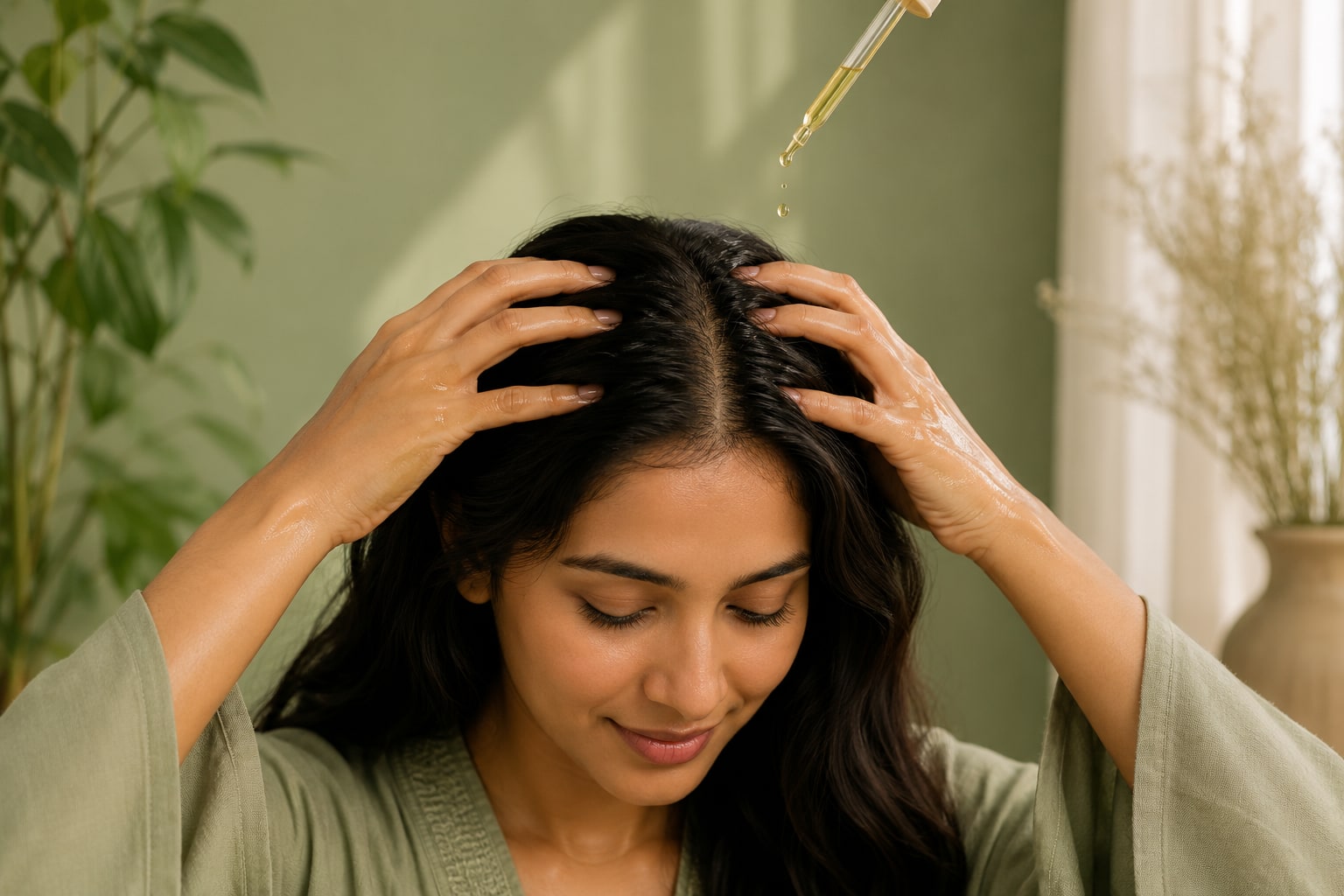
Build a gentle scalp massage routine with the right oil blends, pressure techniques, session length, and post-treatment cleansing steps.
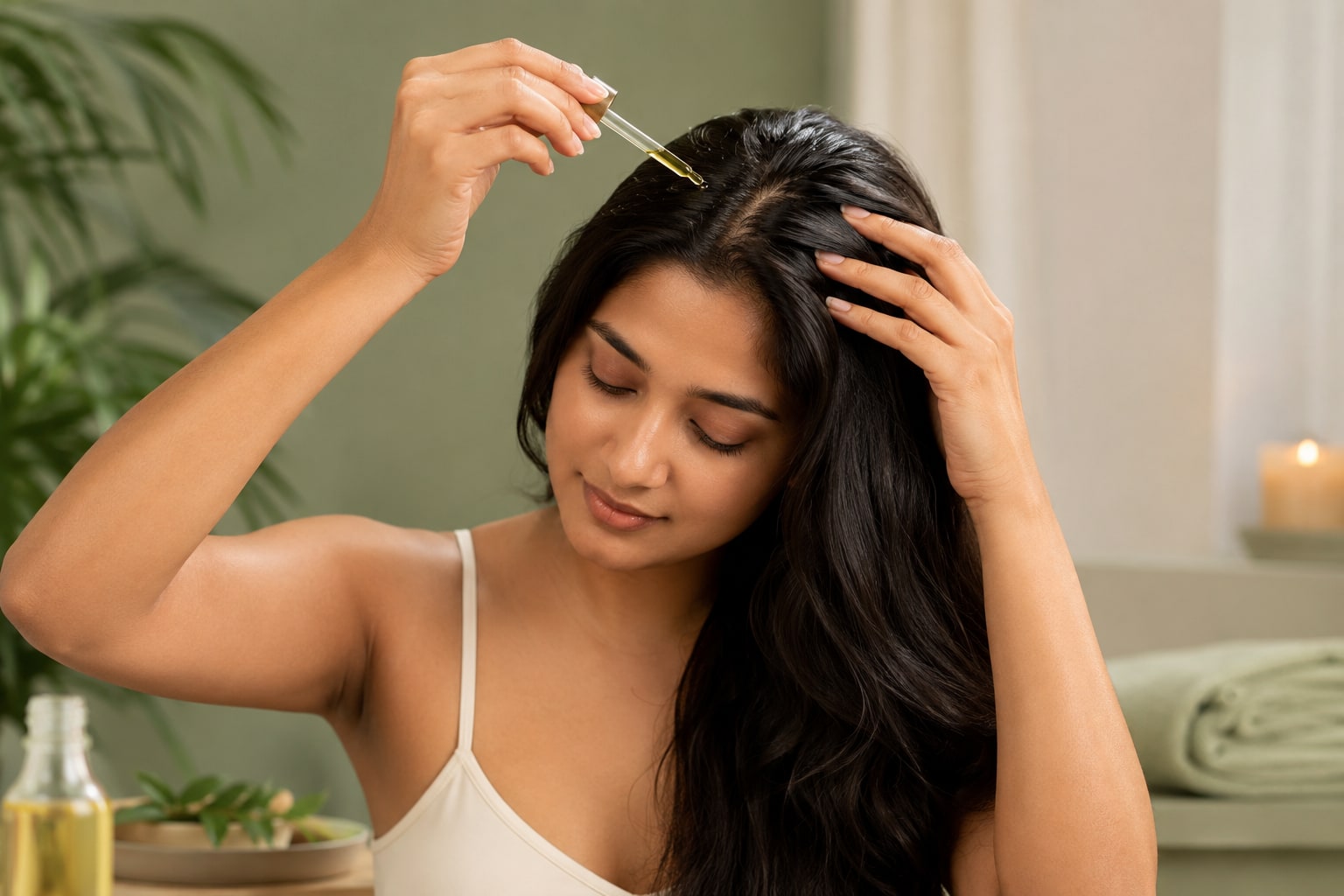
Overnight hair oiling: when it helps, dose by hair type, bedding prep, and morning wash cleanup that removes residue.
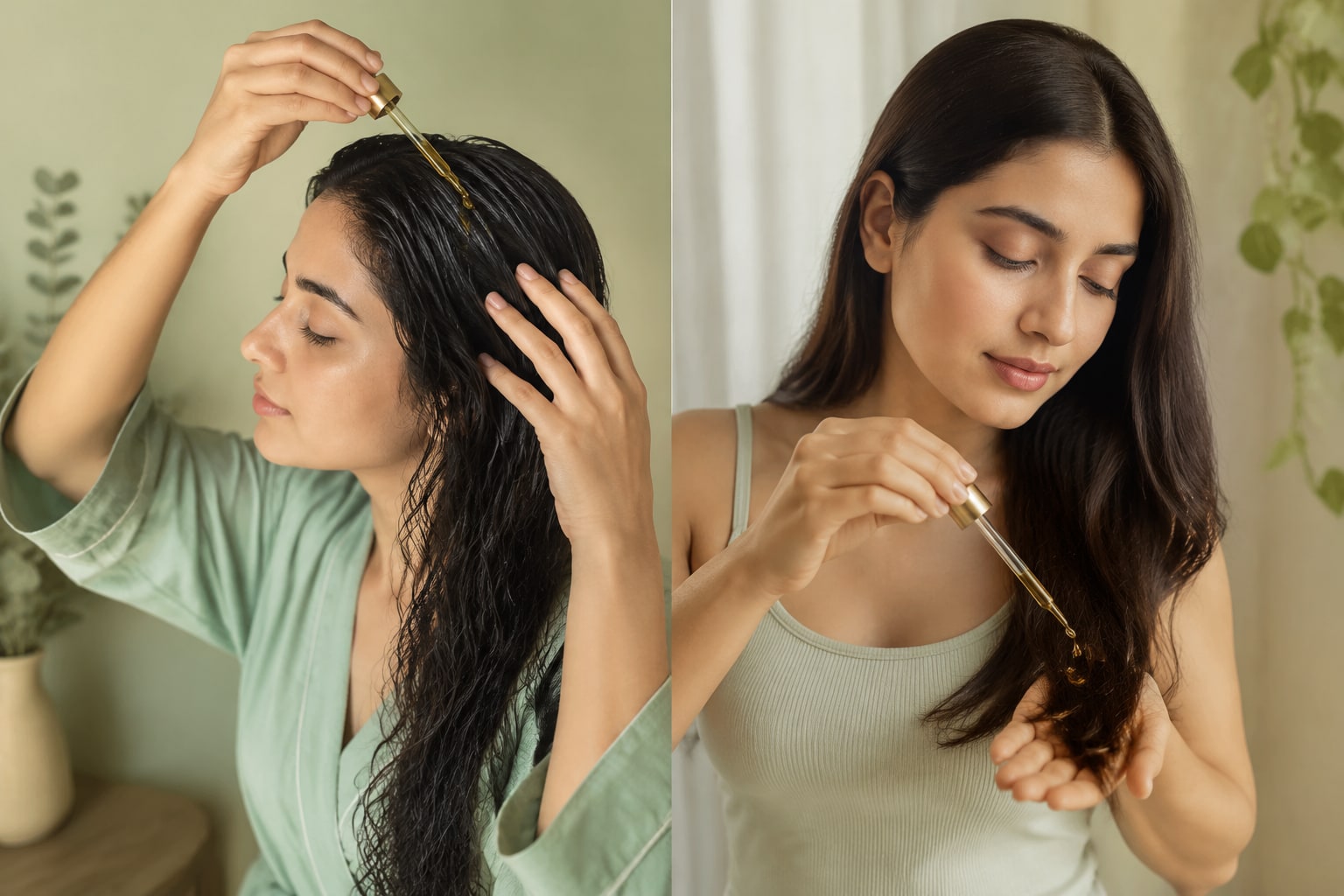
Compare pre-shampoo and leave-in oil methods with timing tables, choose-if checklists, and weekly templates for your wash schedule.
Concise routines, product updates, and new oil + hair type guides — matched to your hair goals.