How-To
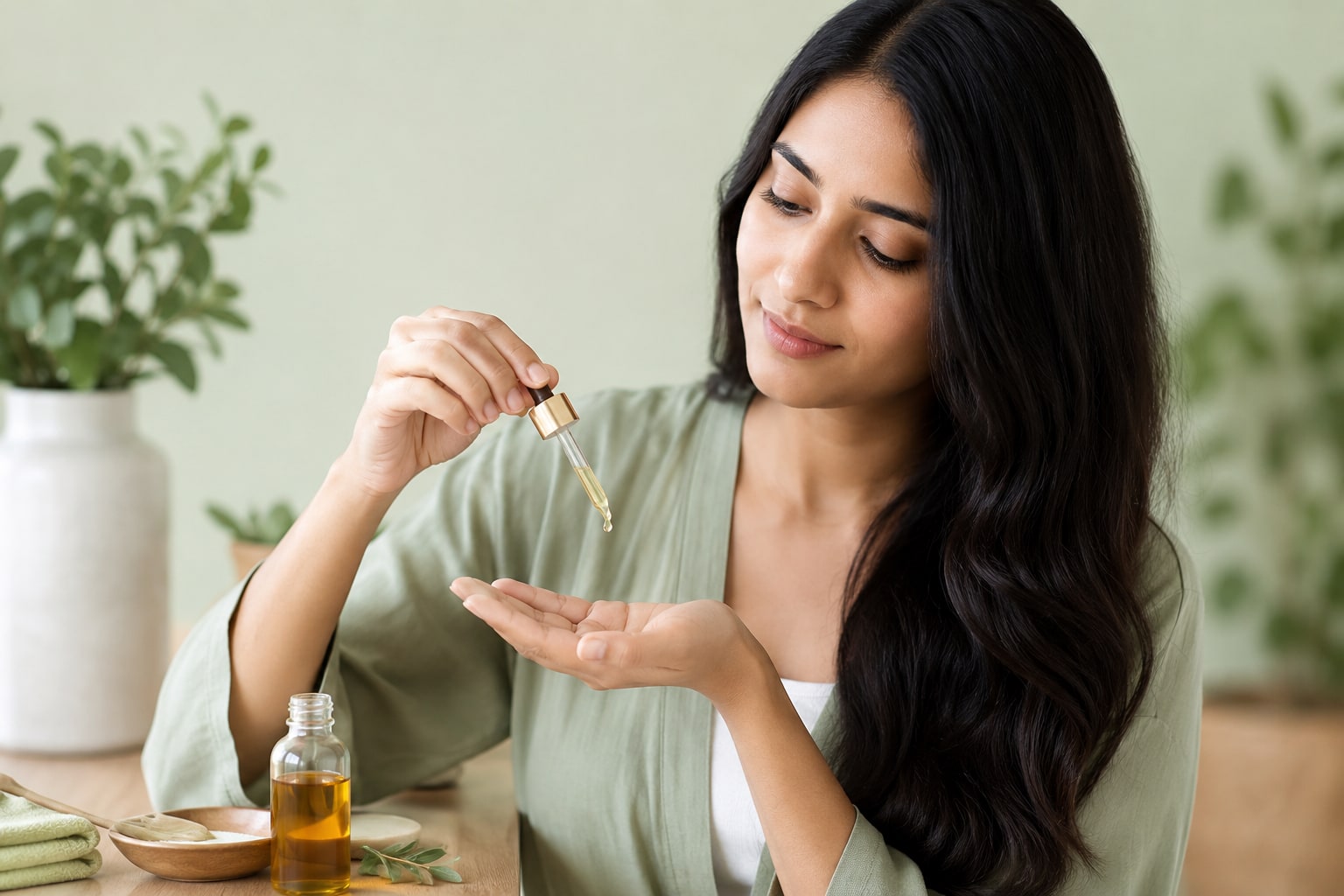
How Much Hair Oil Should You Use?
A practical dosing guide for fine, medium, and thick hair with measurement tables, oil-type ranges, and a quick decision checklist.
Updated September 2026
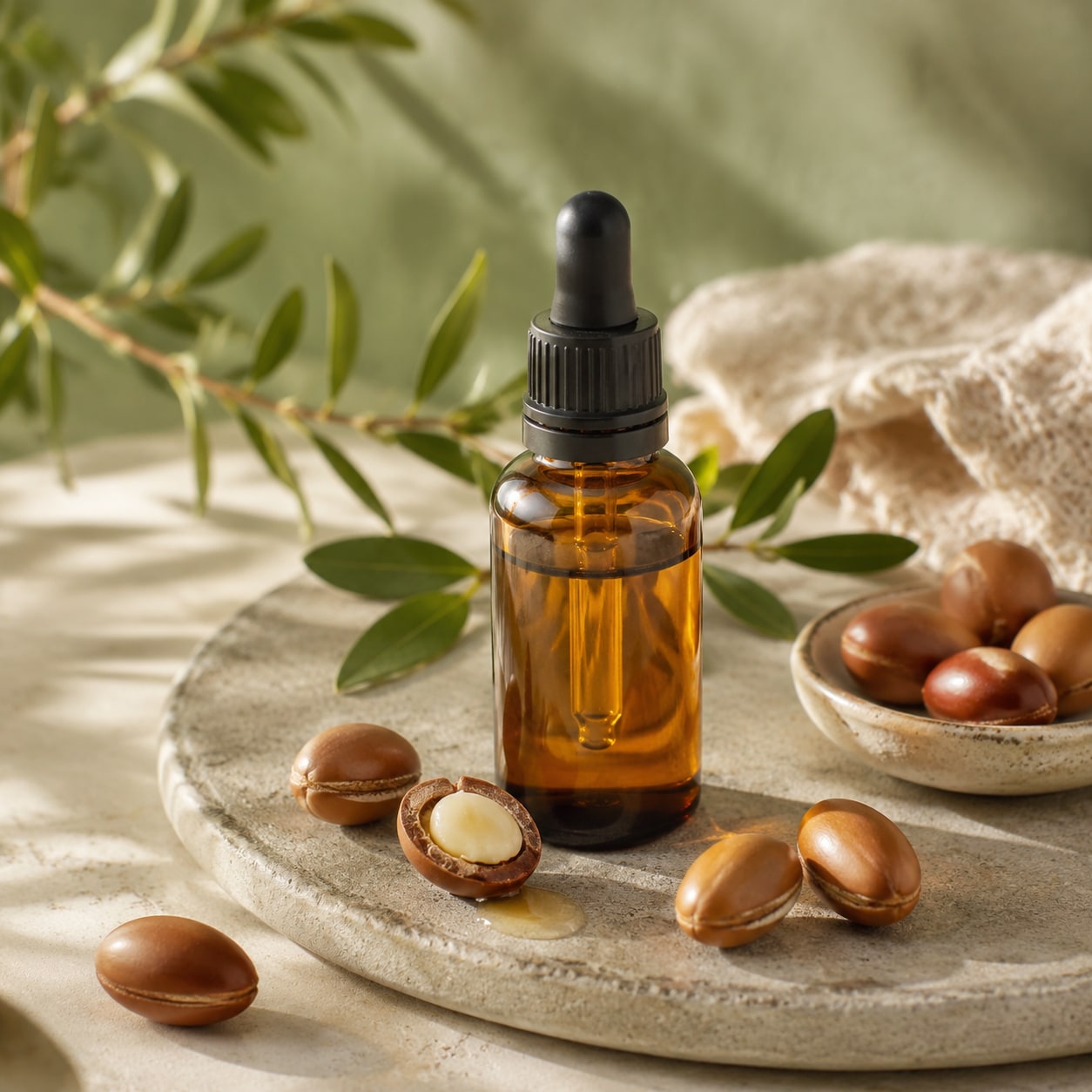
Learn how argan oil controls frizz, adds softness, and delivers lightweight shine for daily styling and finishing routines.
Argan oil is one of the most practical oils for everyday hair care because it offers noticeable cosmetic benefits without the heavy feel many users struggle with from richer oils. When used well, it smooths flyaways, improves slip, and adds shine that looks healthy rather than oily. It is often the easiest oil for beginners because the application window is wider: you can use it as a pre-shampoo support, a damp-hair seal, or a tiny finishing layer on dry hair.
The reason argan stays popular year after year is simple: it solves common styling problems quickly. Frizz, rough cuticles, and dullness are all surface-level issues that respond to consistent lubrication and reduced friction. Argan oil supports those goals while still allowing movement and body in many hair types. That balance makes it useful for both wash-and-go routines and blow-dry finishing, especially for users who want softness without dense residue.
Argan sits in the light-to-medium range: enough polish for frizz control, usually light enough for frequent finishing when you stay in drop doses.
| Hair profile | Start with | Typical dose | Open this guide |
|---|---|---|---|
| Fine hair | Dry flyaways / damp ends | 1–2 drops | Argan for fine hair |
| Curly hair | Damp seal for definition | 2–4 drops | Argan for curly hair |
| Dry / damaged | After leave-in on porous ends | 3–5 drops | Argan for dry damaged hair |
| Color-treated | Shine finish, reduce friction | 2–4 drops | Argan for color-treated hair |
| Thick hair | Sectioned mid-length seal | 3–6 drops | Argan for thick hair |
For lighter volume-first routines, compare with jojoba for fine hair. For denser end sealing, see castor for curly hair.
Argan oil is rich in fatty acids and vitamin E compounds that contribute to smooth feel and flexibility. Compared with very dense oils, argan usually spreads more easily and feels lighter in small doses. Compared with very light oils, it often provides a little more cushion and polish on damaged or porous sections. Think of argan as a “middle-weight” option: strong enough to improve texture, light enough to remain wearable for many routines.
Because argan behaves as a smoothing oil, dose control is still critical. Overapplication can blur definition, flatten roots, or accelerate buildup from styling products. The sweet spot is usually one to five drops depending on length and density, then reassess after several hours. If your hair feels silky but retains movement, you are close to the right dose.
Argan also layers well. Many users combine it with water-based leave-ins, creams, or anti-frizz stylers. Instead of replacing those products, argan tends to complete them by sealing and softening. This compatibility is one reason it appears in both minimalist routines and multi-step styling systems.
The first major benefit is frizz moderation. In humid weather or after heat styling, argan can help flatten lifted cuticles and reduce visual puffiness. It does not eliminate all frizz forever, but it often extends polished results between touch-ups.
A second benefit is softness and detangling support. Hair that snags during combing experiences extra breakage risk, especially at older ends. Argan improves slip, making it easier to detangle gently. This can be particularly helpful for color-treated or heat-styled hair where cuticles are already stressed.
A third benefit is aesthetic shine. Argan gives a reflective finish that many users prefer for everyday wear and special styling. Properly dosed shine can make hair look healthier without appearing saturated.
A fourth benefit is versatility across routine timing. You can use argan as pre-shampoo preparation, post-wash seal, or same-day finishing oil. That flexibility reduces the need for multiple specialty oils in early routine building.
Argan oil has limits. If your hair is severely dehydrated or highly porous, argan alone may feel insufficient as an overnight seal. In those cases, pairing with richer oils on ends or combining with creams can improve retention. If your scalp is very oily, root application may still feel heavy even with argan’s lighter profile.
Another limitation is product variability. “Argan oil” labels can include blends with silicones, fragrance mixes, or low argan concentration. Blended formulas can perform well, but users should understand what they are buying so outcomes are not misattributed to argan itself.
Finally, argan oil cannot reverse structural damage. It improves feel, flexibility, and appearance, but split ends still require trimming and healthy routine support. Treat argan as a maintenance tool, not a replacement for foundational care.
After cleansing and conditioning, gently blot excess water. Apply leave-in conditioner first, then distribute one to three drops of argan through mid-lengths and ends. Comb through with fingers or a wide-tooth comb. This method works well for daily softness and moderate frizz control.
Warm one drop between palms and lightly smooth surface flyaways or dry ends. Focus on areas where frizz appears first, usually crown halo or front sections. This helps maintain polished styling without restarting your entire routine.
Use argan on dry lengths 20 to 60 minutes before washing. This can reduce roughness during cleansing and improve post-wash softness. Users with frequent wash schedules often prefer this method because it minimizes leave-in buildup.
For argan testing, these catalog products represent different preferences:
As always, quality fit comes from dose and routine context, not only brand familiarity.
Fine hair often responds best to tiny doses on ends only. Starting with one drop helps preserve lift and movement. Medium-density hair can usually tolerate two to four drops depending on porosity and humidity. Thick, dry, or color-treated hair often benefits from richer application patterns, particularly when heat styling is frequent.
Curly hair users often like argan for refresh-day smoothing because it can soften frizz without fully collapsing pattern definition when used lightly. For tighter curl systems, argan can be paired with cream stylers to preserve both moisture and shape. For oily scalp profiles, avoid routine root saturation and keep argan concentrated where texture is driest.
Pick the page that matches your context:
This suits fine to medium hair that values movement.
This helps in humid climates and frequent heat styling.
This supports color-treated and high-porosity routines.
Confirm whether the formula is pure or blended, then choose based on your styling priorities. Pure oils offer flexibility for mixing. Blends may deliver a specific finish but can include ingredients that alter buildup behavior. Packaging matters: dropper bottles improve dose control, while pump tops are faster but can over-dispense on shorter hair.
Review patterns also matter. Prioritize comments on daily wearability, not only first-use shine. The best argan product is one you can apply consistently without sacrificing volume or scalp comfort. Reliability beats occasional dramatic results.
Argan oil is a top starter oil for users who want softness, frizz control, and shine without moving into very heavy textures. It is especially useful for medium textures, color-treated lengths, and anyone building a practical low-friction routine. Users with extremely dry or coarse hair may still want richer seals at times, but argan remains a high-value base layer for most routines.
If you use argan with intention, the payoff is steady: better glide, cleaner finish, and fewer “bad hair day” surprises. Apply lightly, track response, and adjust for weather and wash rhythm. That simple discipline is what turns argan from a trend ingredient into a dependable long-term tool.
Argan oil is versatile for many hair types, but quantity should be adjusted for fine hair to avoid flatness.
Yes. Its smoothing profile helps reduce humidity-related frizz and improve surface shine when applied lightly.
Most people use argan oil 2 to 5 times per week in small doses depending on dryness and styling frequency.
It can if overused, especially near roots. Applying one to three drops to mid-lengths and ends is usually enough.
It can support softness and reduce mechanical damage, which may help color-treated hair feel healthier.
Both can work: damp hair for moisture sealing, dry hair for finishing shine and frizz touch-ups.
Yes. Mixing a small amount into leave-in conditioner can improve spread and reduce overapplication.
Look for clear ingredient labeling, practical packaging, and formulas that match your tolerance for fragrance and weight.
Oil + hair type guides
Each guide pairs this oil with a specific hair type for dosage, pros, and product picks.
Further reading
How-to routines and oil comparisons that complement this oil profile.
A practical dosing guide for fine, medium, and thick hair with measurement tables, oil-type ranges, and a quick decision checklist.
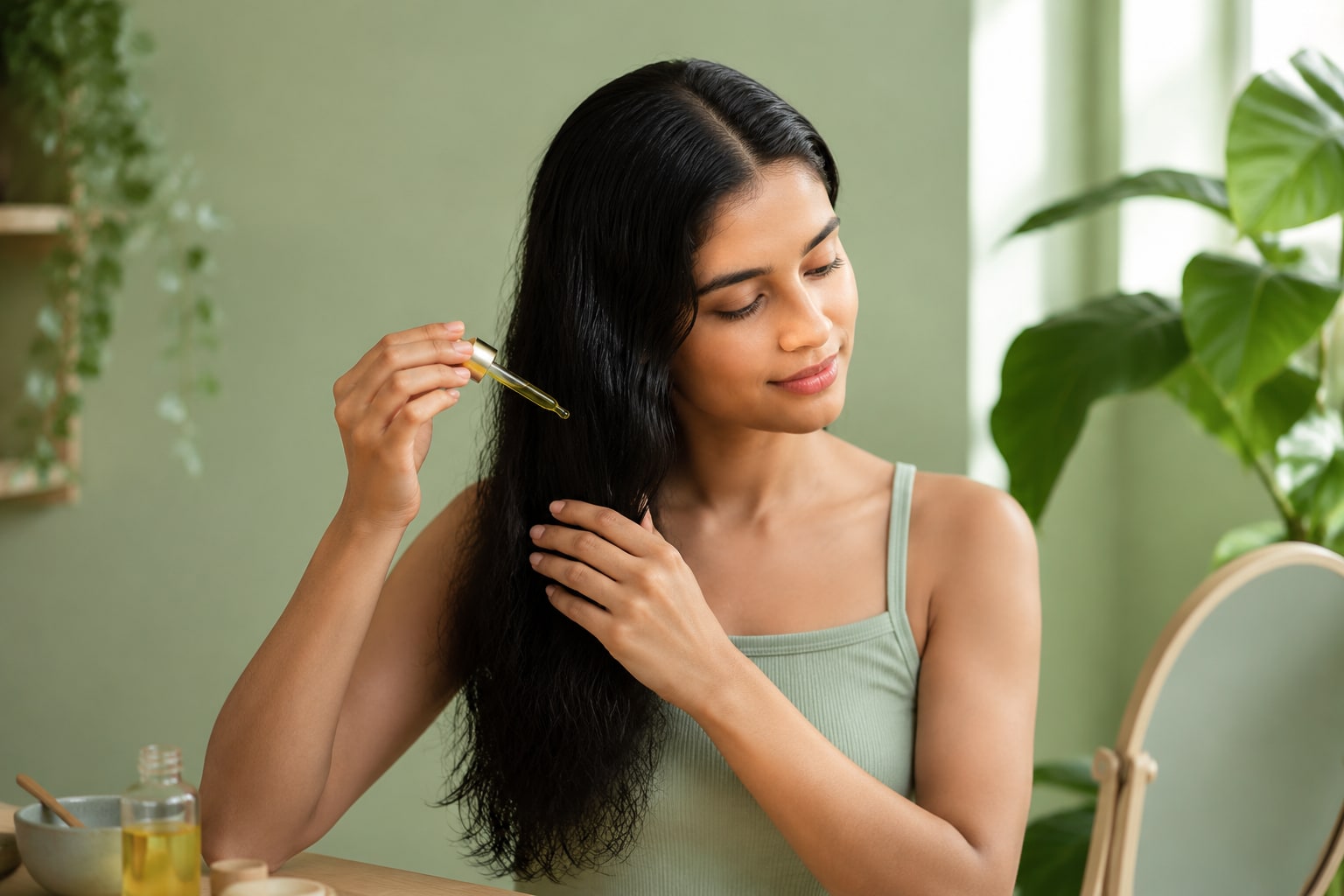
Learn how often to oil your hair by texture, wash schedule, and scalp response, with frequency tables and a practical decision checklist.
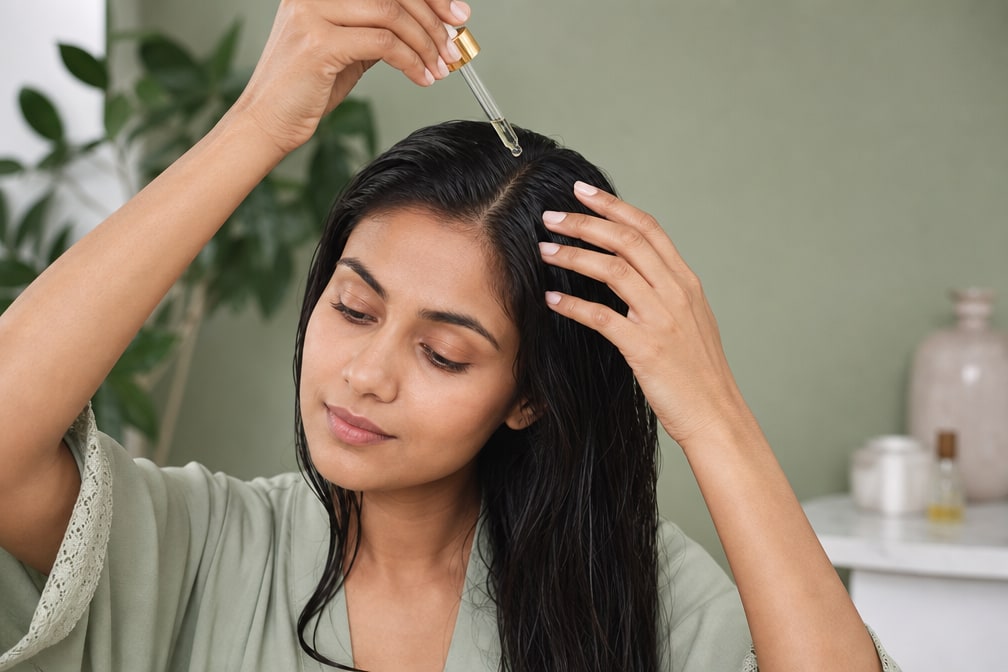
Apply hair oil with dose tables, timing checklist, and sectioning steps so fine, curly, and thick hair stay soft—not greasy.
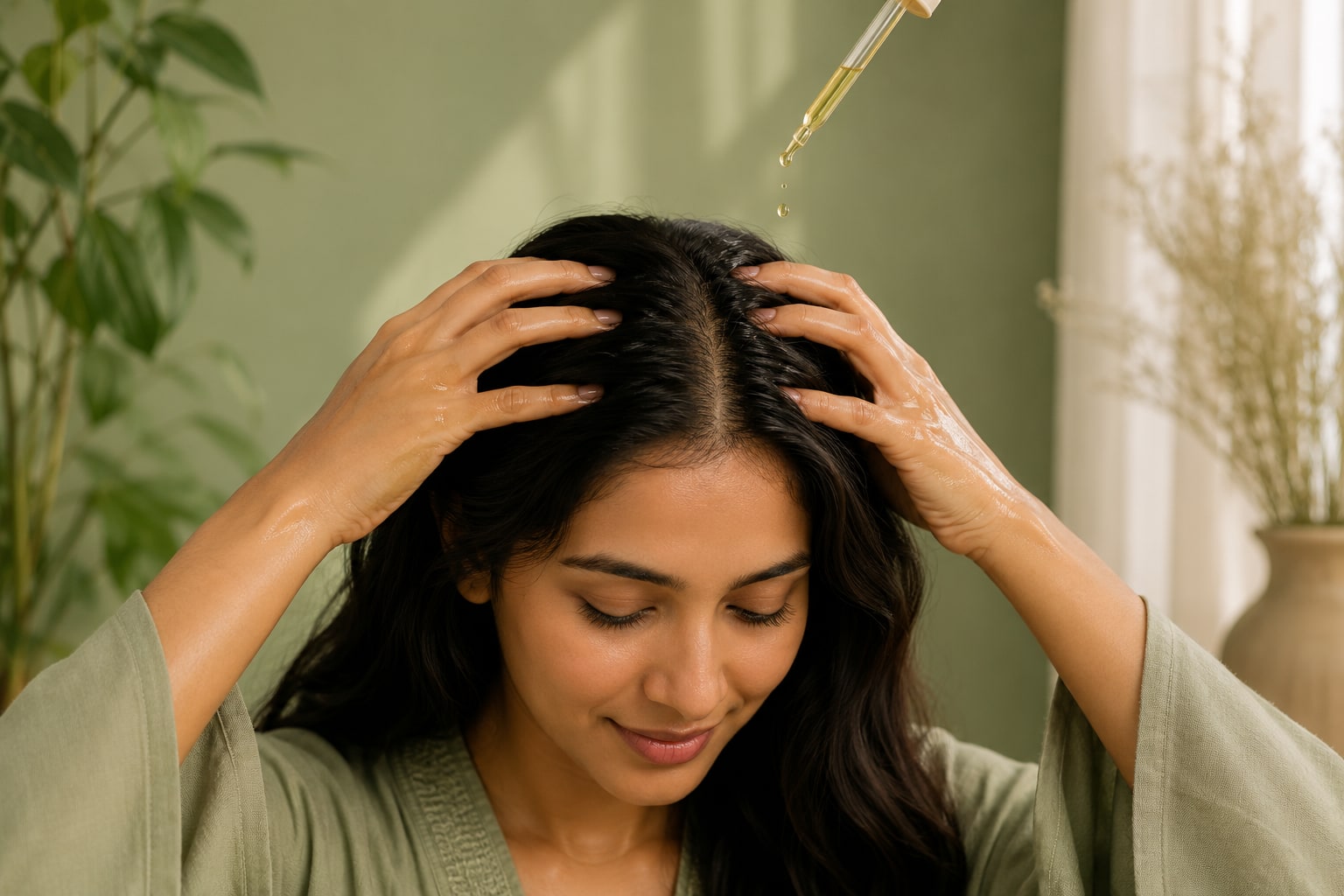
Build a gentle scalp massage routine with the right oil blends, pressure techniques, session length, and post-treatment cleansing steps.
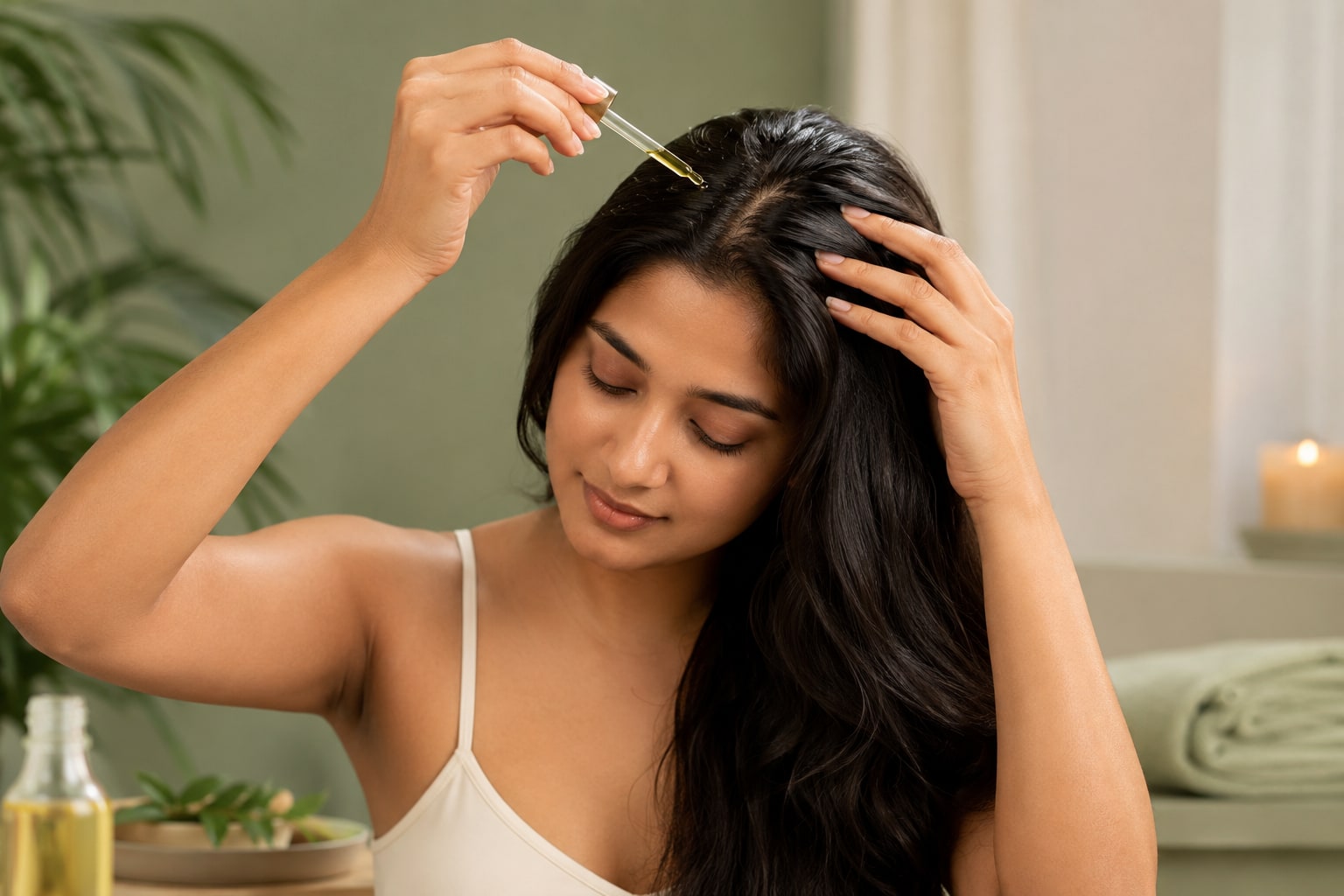
Overnight hair oiling: when it helps, dose by hair type, bedding prep, and morning wash cleanup that removes residue.
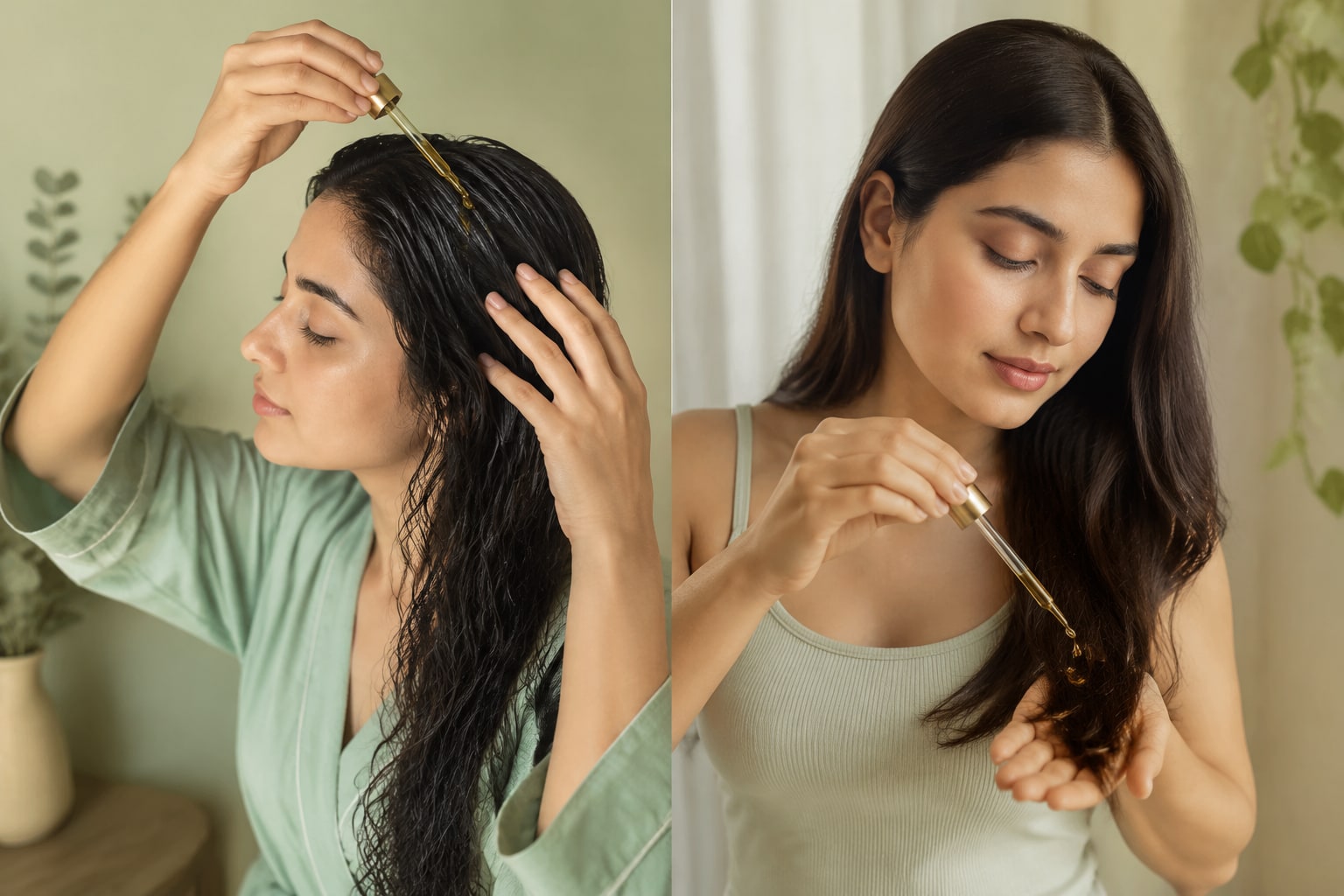
Compare pre-shampoo and leave-in oil methods with timing tables, choose-if checklists, and weekly templates for your wash schedule.
Concise routines, product updates, and new oil + hair type guides — matched to your hair goals.