How-To
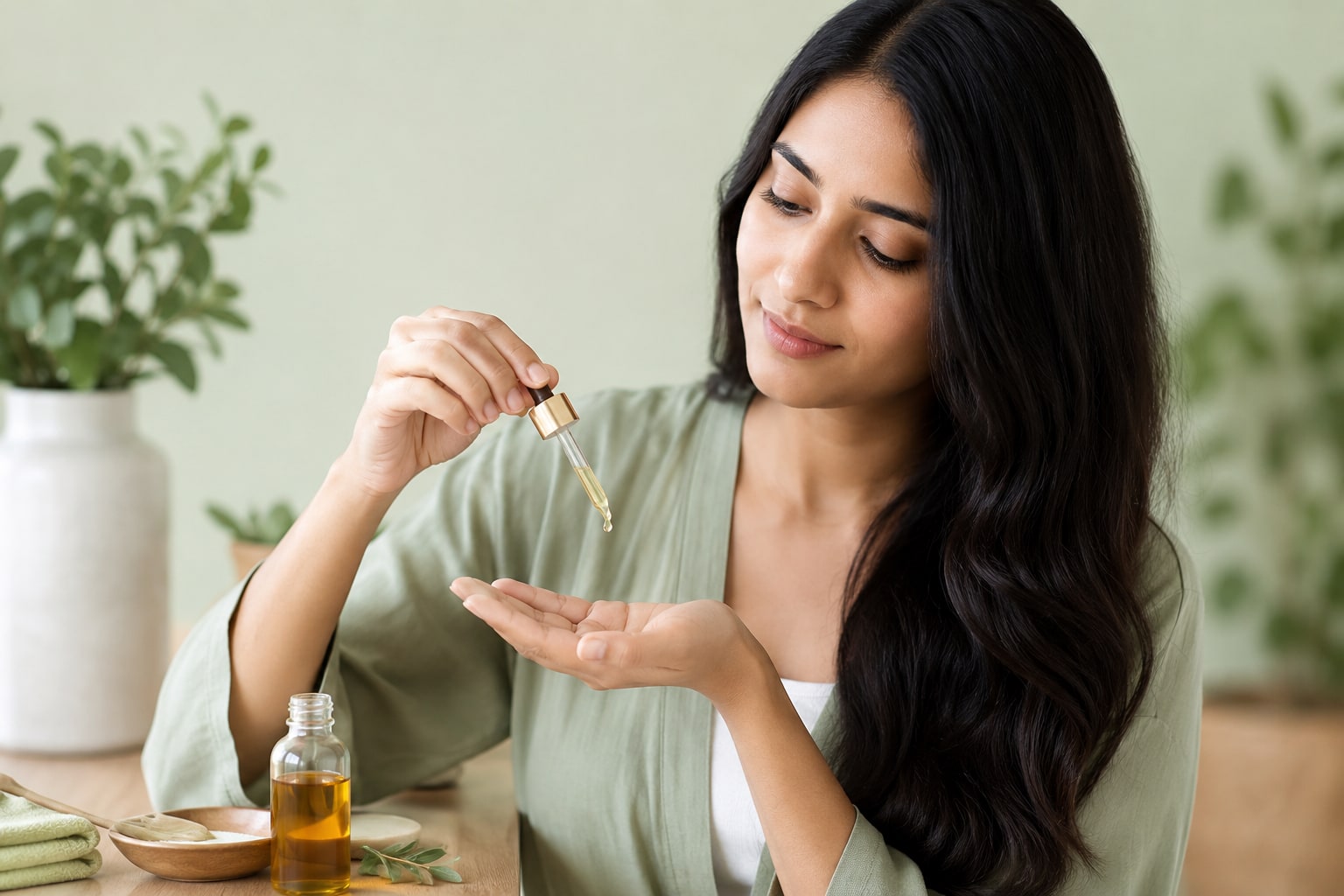
How Much Hair Oil Should You Use?
A practical dosing guide for fine, medium, and thick hair with measurement tables, oil-type ranges, and a quick decision checklist.
Updated July 2026
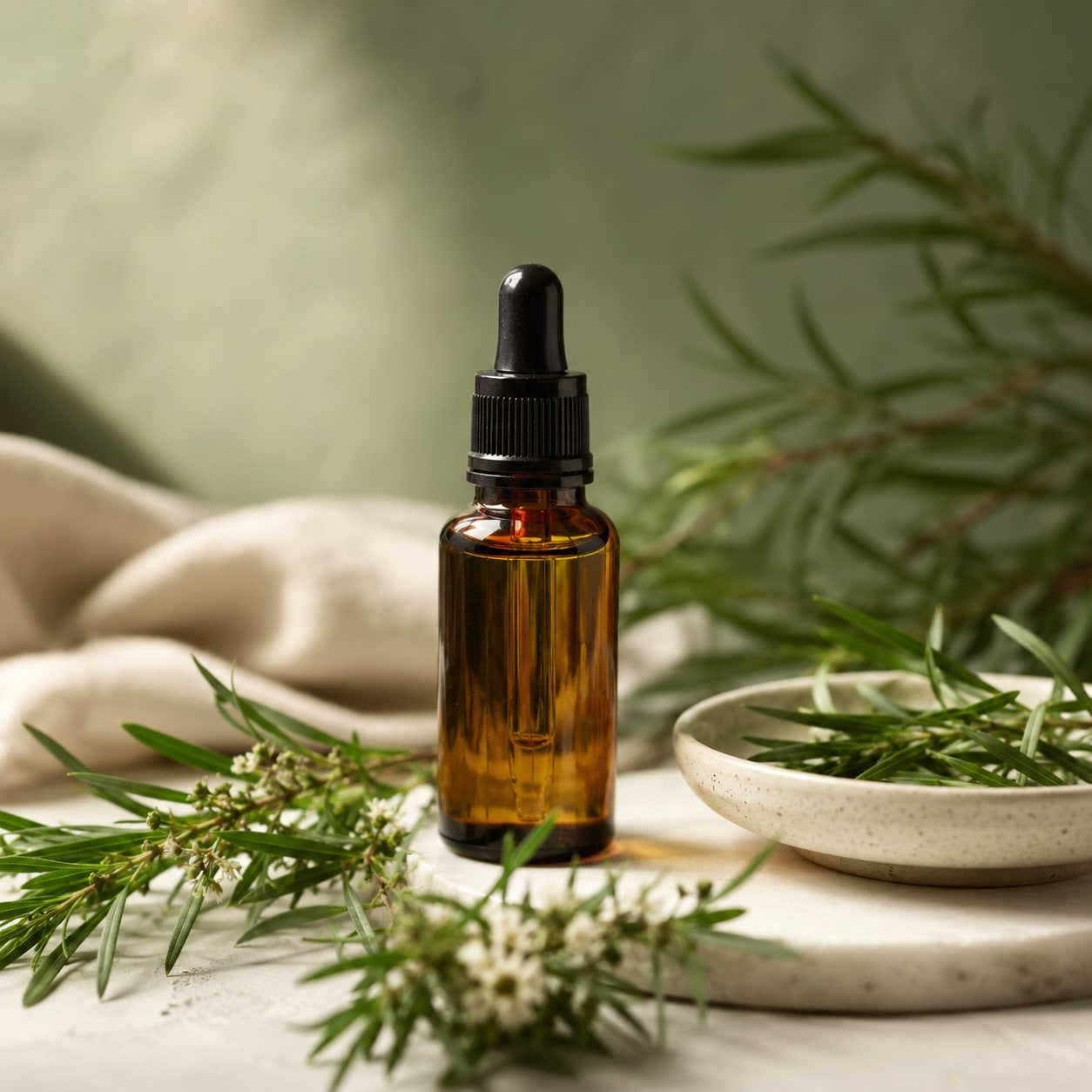
Learn how tea tree oil supports scalp freshness, buildup control, and balanced routines when diluted and paired with light carriers.
Tea tree oil is a scalp-focused ingredient, not a universal shine oil. People usually choose it when their routine feels heavy, their scalp feels congested, or they want a cleaner baseline between styling cycles. When used correctly, tea tree blends can support freshness and help reset routines prone to buildup. When overused or poorly diluted, tea tree can feel drying and irritating. The key is precision.
This guide explains tea tree oil through a practical lens: what goals it serves, how to apply it safely, and how to pair it with moisture-supporting products so your scalp feels refreshed without leaving hair brittle. Tea tree can be extremely useful in modern routines full of leave-ins and stylers, but it works best as part of a balanced system rather than a daily cure-all.
Tea tree’s value in hair routines is largely tied to scalp environment management. It is commonly included in products aimed at freshness, comfort, and cleaner-feeling roots. That makes it particularly relevant for oily scalp profiles, gym-heavy schedules, humid climates, and users who rely on multiple styling layers.
Unlike heavy conditioning oils, tea tree routines are usually low-dose and scalp-first. Most users do not need tea tree from roots to ends. In fact, focusing application primarily at scalp while supporting lengths separately with moisturizing products often gives better outcomes.
Because tea tree is typically an essential oil ingredient, dilution rules are non-negotiable for direct topical use. Pre-diluted commercial products reduce error risk and are often easier for beginners.
The first benefit is improved scalp freshness. Users who feel “coated” by frequent styling products often report a cleaner, lighter feel when tea tree routines are introduced thoughtfully.
A second benefit is structure. Tea tree sessions are usually intentional and timed around wash days, which often encourages better routine rhythm: treat, cleanse, condition, and reset.
A third benefit is comfort support for some scalp types. While not a medical treatment, a balanced tea tree routine can help some users feel less bothered by minor discomfort linked to buildup or heavy product layering.
The biggest limitation is irritation risk if concentration is too high or contact time is too long. Scalp sensitivity varies widely, and what works for one person can overwhelm another. Start low and increase only if comfort remains stable.
Tea tree can also create dryness if it is used frequently without compensating hydration. Clarifying benefits should be paired with moisture-aware conditioner and gentle handling of lengths.
Finally, tea tree does not replace medical care. Persistent flakes, pain, or worsening itch should be evaluated by a licensed professional.
Dilute tea tree in jojoba or grapeseed carrier, apply to scalp sections, and massage gently for 2 minutes. Leave 20 to 45 minutes, then cleanse thoroughly. This method helps refresh scalp while keeping residue controlled.
If discomfort is localized, apply diluted tea tree only where needed rather than full scalp coverage. This lowers exposure and reduces irritation risk.
Use catalog tea-tree blends designed for hair/scalp use, then follow with hydrating conditioner on lengths. This is often the easiest path for users who want convenience and balanced formulas.
Our tea tree catalog highlights several routine styles:
Select based on tolerance, concentration comfort, and routine complexity.
Oily scalp routines are often the clearest fit for tea tree, especially in pre-wash treatments that keep roots fresh without daily over-cleansing. Fine hair can benefit from scalp-focused tea tree use while keeping lightweight moisturizing oils on ends only. Curly and thick hair should pair tea tree scalp sessions with stronger length hydration to avoid dry-feel imbalance.
Dry and damaged hair can still use tea tree when scalp concerns are present, but frequency should be conservative and conditioning should be intentional. Color-treated hair users should avoid aggressive manipulation and focus on gentle sectioning during scalp treatments.
Choose your exact context:
Great for moderate buildup concerns.
This balances scalp reset and strand hydration.
Slow progression reduces irritation risk.
Confirm whether the product is essential oil concentrate or hair-ready blend. Concentrates require careful dilution and should never be applied directly in high amounts. Hair-ready blends simplify use but vary in fragrance intensity and conditioning profile.
Look for user feedback on scalp comfort after repeated use, not just first-use cooling sensation. A product that feels exciting on day one but irritating by week three is not a long-term fit.
If your scalp feels cleaner but your hair lengths feel rough, the routine likely needs better moisture balancing rather than less tea tree. Keep tea tree focused on scalp, then add richer conditioning support from mid-lengths to ends after cleansing.
If itch increases after application, reduce concentration and shorten contact time immediately. Sensitivity can build over repeated sessions when users keep pushing the same formula. A lower-dose routine that stays comfortable is more effective than a high-dose routine that triggers breaks.
If your roots still feel coated despite tea tree use, revisit cleansing technique. Oils and stylers can require a two-step wash, especially after treatment days. Tea tree supports scalp freshness, but removal mechanics still matter.
If you are uncertain whether tea tree helps, run a four-week test with fixed schedule and notes on comfort, oiliness, and wash-day feel. Consistent tracking prevents guesswork and helps you decide whether to continue, modify, or replace the routine based on real outcomes.
Tea tree oil is best for users whose main goal is scalp freshness and buildup management. It can be particularly helpful for oily scalp patterns and high-styling routines when used in controlled, diluted formats. It is less suitable as a daily all-over hair oil, especially for dry lengths that need richer conditioning support.
Treat tea tree as a targeted scalp tool. Keep concentration modest, pair with hydration, and monitor tolerance closely. With that disciplined approach, tea tree can make the rest of your routine perform better by giving your scalp a cleaner, more comfortable baseline.
Tea tree oil is often used in scalp-focused routines to support freshness and reduce heavy product feel.
Yes, especially at high concentrations, so dilution and patch testing are important.
Most routines start with one or two weekly uses, then adjust based on scalp comfort.
It may help some users feel calmer and cleaner, but persistent itch should be evaluated professionally.
Pure tea tree essential oil should be diluted in a carrier before scalp application.
Diluted scalp use is usually fine, but avoid harsh manipulation on color-processed lengths.
Jojoba and grapeseed are common carriers for lightweight tea tree scalp blends.
It can if overused or paired with overly stripping cleansing, so balance with hydrating care.
Oil + hair type guides
Each guide pairs this oil with a specific hair type for dosage, pros, and product picks.
Further reading
How-to routines and oil comparisons that complement this oil profile.
A practical dosing guide for fine, medium, and thick hair with measurement tables, oil-type ranges, and a quick decision checklist.
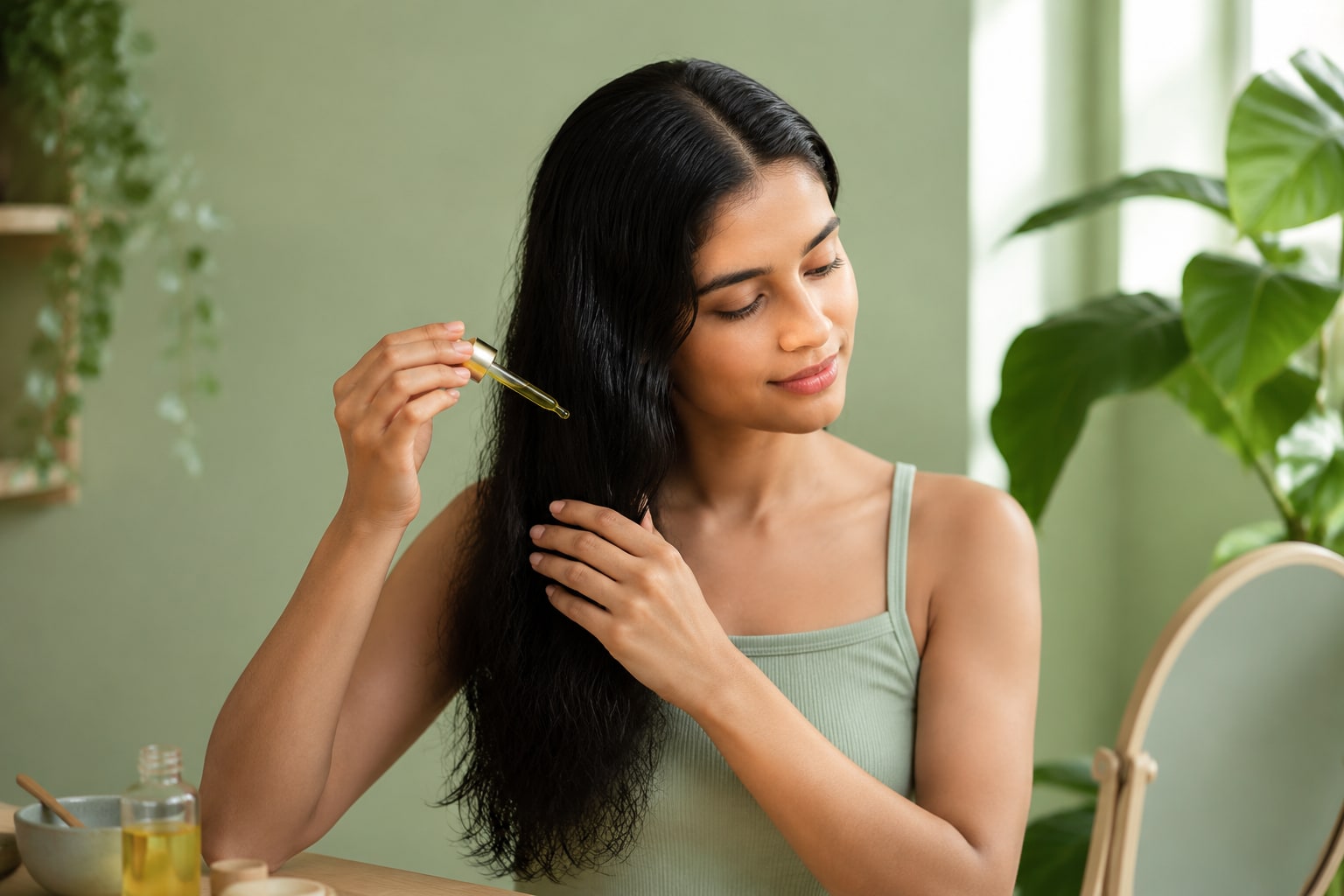
Learn how often to oil your hair by texture, wash schedule, and scalp response, with frequency tables and a practical decision checklist.
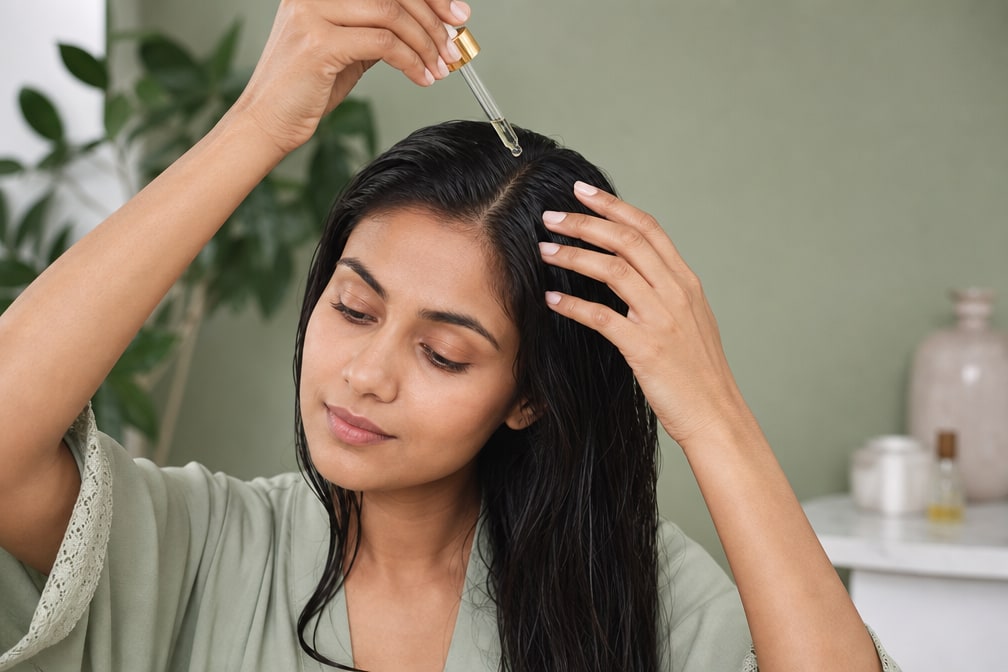
Apply hair oil with dose tables, timing checklist, and sectioning steps so fine, curly, and thick hair stay soft—not greasy.
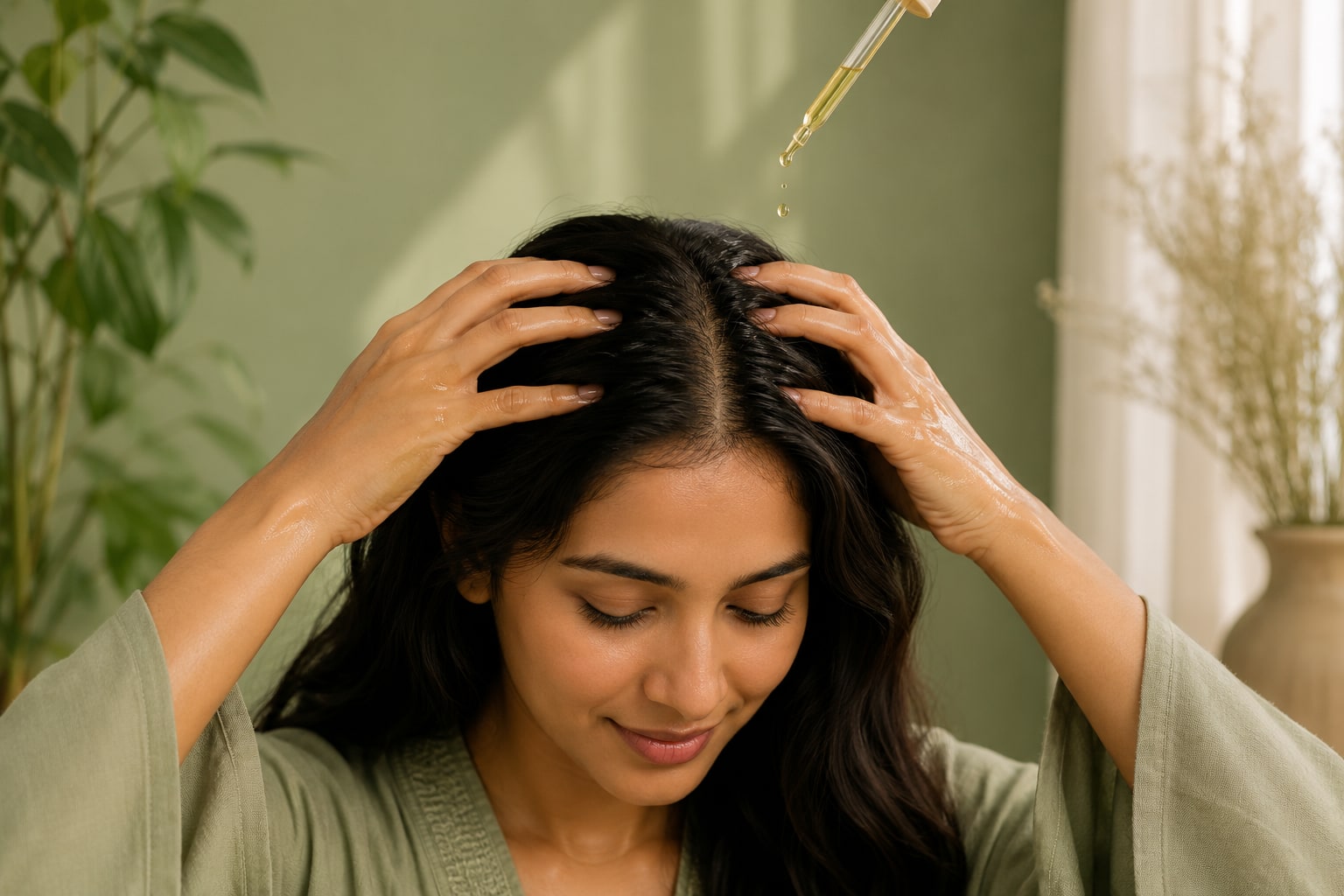
Build a gentle scalp massage routine with the right oil blends, pressure techniques, session length, and post-treatment cleansing steps.
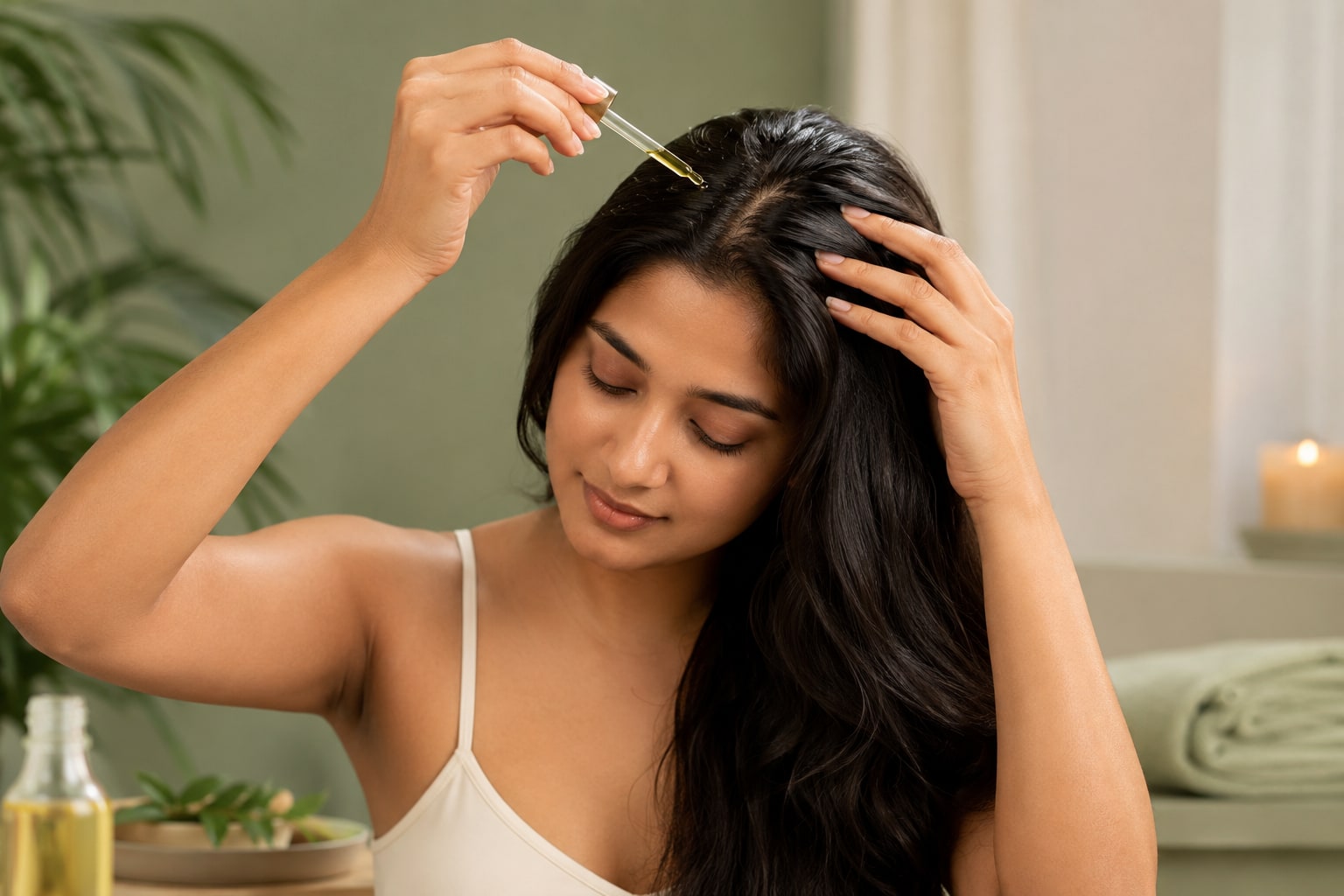
Overnight hair oiling: when it helps, dose by hair type, bedding prep, and morning wash cleanup that removes residue.
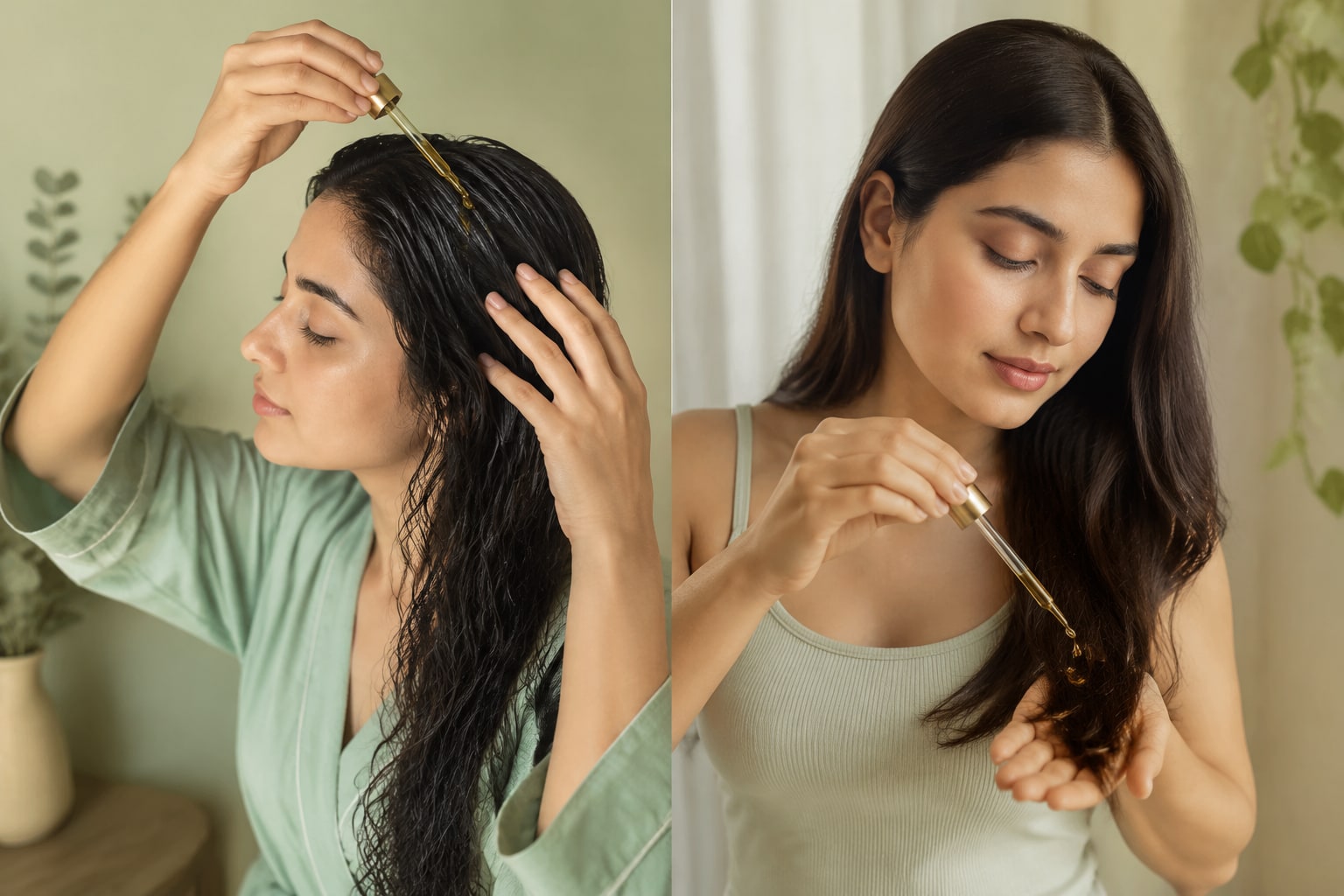
Compare pre-shampoo and leave-in oil methods with timing tables, choose-if checklists, and weekly templates for your wash schedule.
Concise routines, product updates, and new oil + hair type guides — matched to your hair goals.