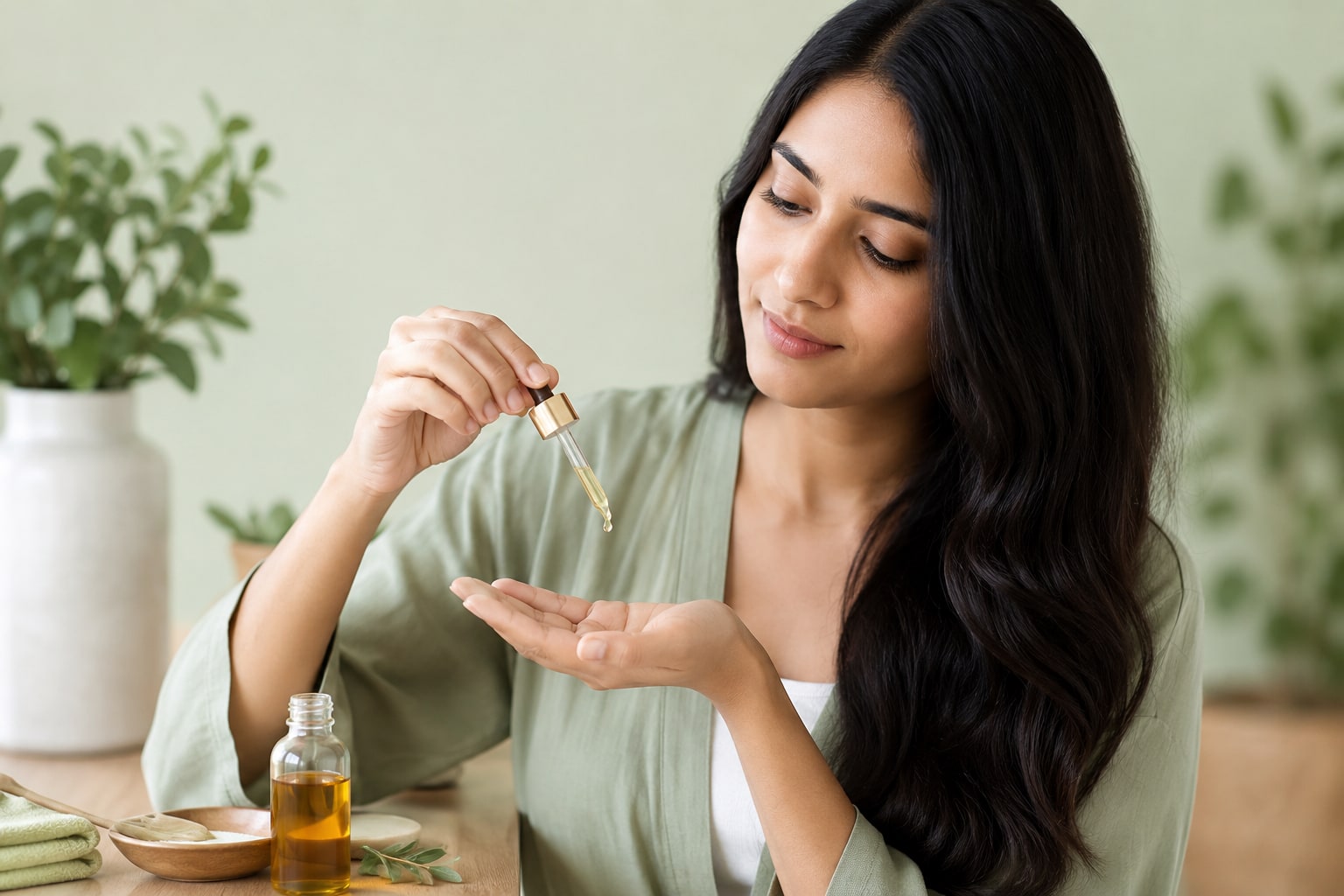
How-To
How Much Hair Oil Should You Use?
A practical dosing guide for fine, medium, and thick hair with measurement tables, oil-type ranges, and a quick decision checklist.
Updated September 2026
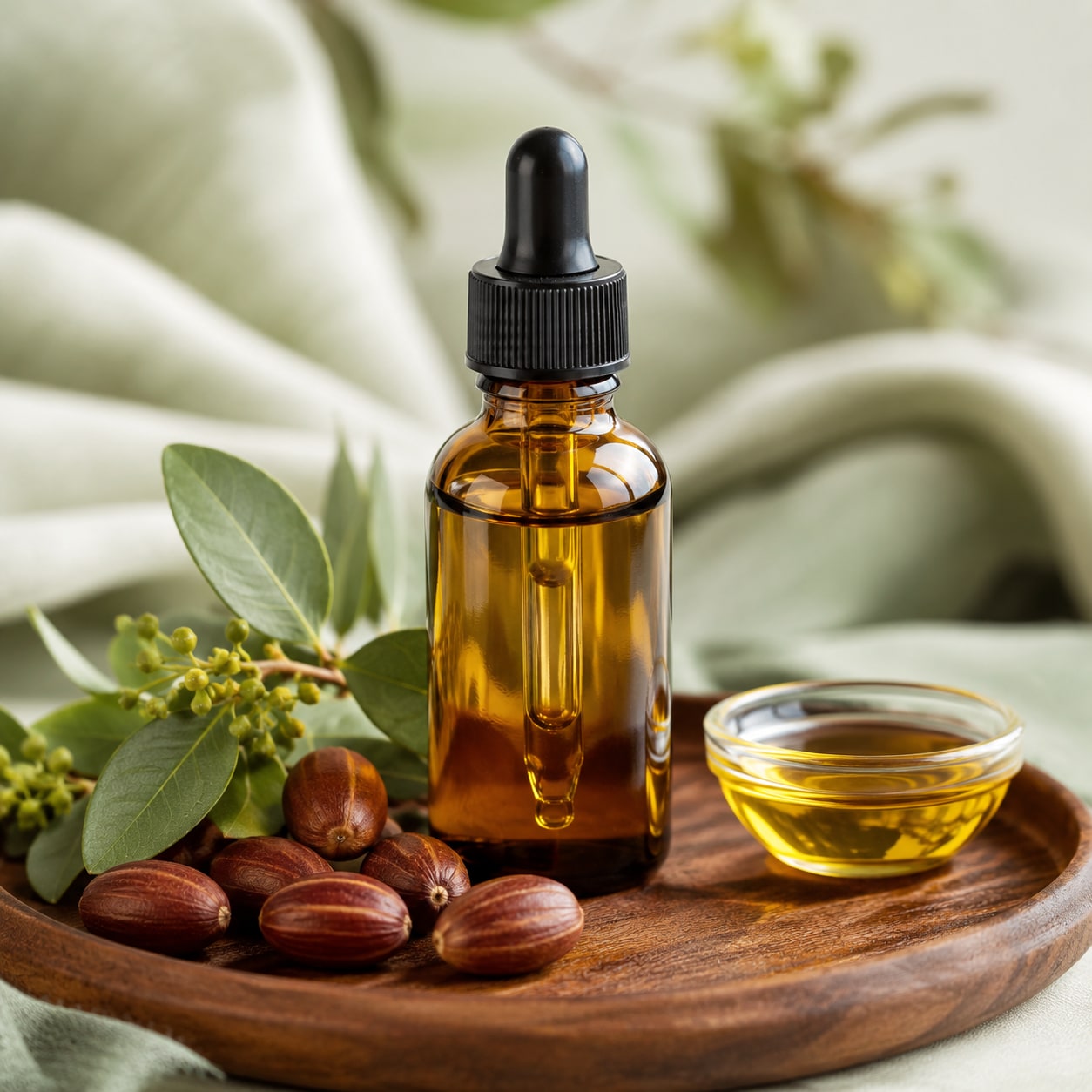
Learn how jojoba oil balances lightweight moisture, scalp comfort, and shine without the heavy residue many oils leave behind.
Jojoba oil is often called a “safe starter” oil, and for good reason. It offers consistent softness, light shine, and easy spread without the heavy finish that can frustrate daily routines. If you have ever felt that oils make your hair greasy or flat, jojoba is usually one of the first alternatives worth testing. Its practical strength is balance: enough lubrication to improve feel, but generally light enough for frequent use when dosage is controlled.
Another reason jojoba stays popular is flexibility. You can use it on damp lengths after wash day, as a quick anti-frizz touch-up, or as part of scalp-support blends. It rarely demands dramatic routine changes, which helps users stay consistent. Consistency, more than intensity, is what usually improves hair outcomes over months.
Jojoba is usually the lightest everyday seal for fine hair and oily-scalp routines. Use the table to pick a first matrix guide, then keep doses in the drop range.
| Hair profile | Start with | Typical dose | Open this guide |
|---|---|---|---|
| Fine hair | Leave-in ends only | 1–2 drops | Jojoba for fine hair |
| Curly hair | Damp seal after leave-in | 2–4 drops | Jojoba for curly hair |
| Oily scalp | Lengths only; optional diluted scalp pre-wash | 1–3 drops on ends | Jojoba for oily scalp |
| Thick / dry ends | Seal after hydration; pair richer oil on tips if needed | 3–6 drops | Jojoba for thick hair |
| Color-treated | Finish oil for shine and friction cut | 2–4 drops | Jojoba for color-treated hair |
If you need a richer weekly pre-shampoo while keeping jojoba as your daily base, cross to coconut for curly hair or castor for dry damaged hair for end-only support.
Jojoba is technically a wax ester rather than a traditional triglyceride oil, and that structure contributes to its distinctive behavior on hair and scalp. In everyday use, it tends to feel thinner and cleaner than richer oils. It can smooth the cuticle, increase slip, and add polish without creating immediate heaviness in most textures.
This lighter profile makes jojoba a strong option for fine hair and oily scalp routines that still need conditioning support. You still need dose discipline, but the tolerance window is often wider than castor or coconut. For many users, one to three drops per use is enough for visible results.
Jojoba also performs well as a carrier in blends. When users want the benefits of stronger oils or essential oil routines but dislike dense residue, jojoba helps dilute and distribute evenly. That makes it a valuable “bridge” ingredient in personalized routines.
The first benefit is lightweight softness. Jojoba can reduce rough feel and static without collapsing shape, which is especially useful for layered cuts and blow-dried styles where movement matters.
A second benefit is refresh-day usability. Because jojoba spreads quickly and absorbs into the hair surface well, it can rescue dry ends between washes with minimal effort. This helps users avoid over-styling and heat rework.
A third benefit is scalp compatibility in cautious routines. Many users find jojoba comfortable for occasional scalp massage because it feels less sticky than heavier oils. Used gently and in small amounts, it can support scalp comfort without creating an overly coated feel.
A fourth benefit is blend versatility. Jojoba pairs smoothly with rosemary or tea tree blends for scalp-focused routines and with richer oils for end-sealing support. It helps tailor intensity without forcing separate products for every scenario.
Jojoba is light, but light does not mean “impossible to overuse.” Repeated reapplication without cleansing can still cause buildup, especially when combined with styling creams, dry shampoo, or high-hold products. If hair feels flat by day two, reduce frequency before replacing the oil.
Another limitation is that jojoba alone may not be enough for severely dry or highly porous ends in harsh climates. In those cases, jojoba often works best as a first layer under richer sealants used sparingly where needed.
Finally, some users expect jojoba to provide dramatic overnight transformation. Its strength is cumulative stability, not shock-and-awe texture shifts. Think steady improvement rather than instant repair.
Warm one drop between palms and press into dry ends. Add a second drop only if necessary. This is ideal for fine to medium hair that needs softness without volume loss.
After leave-in conditioner on damp hair, distribute 2 to 4 drops through mid-lengths and ends. This helps maintain moisture and improves combing glide.
Mix jojoba with rosemary or tea tree formulas at low concentration, then apply a few drops to scalp sections for brief massage before cleansing. This method supports routine comfort while reducing dense residue.
Our jojoba catalog includes several strong options:
Choose based on your application habits, not only oil label familiarity.
Fine hair often performs best with jojoba because it allows conditioning without obvious collapse when used carefully. Curly hair can use jojoba as refresh oil to soften frizz while preserving pattern if quantity stays low. Thick hair may need larger amounts or pairing with richer products for long-lasting dryness control.
Dry and damaged hair generally benefits when jojoba is layered over hydration and combined with routine deep conditioning. Color-treated hair often responds well to jojoba as a finishing oil because it adds shine and reduces friction on fragile lengths. Oily scalp routines should limit root use and prioritize length-focused application unless scalp testing confirms comfort.
Go directly to your hair-type match:
This keeps softness while preserving movement.
This supports medium textures with moderate dryness.
This is useful for users who want a light scalp ritual.
Confirm whether the product is pure jojoba or mixed with additional oils and fragrance components. Pure jojoba offers maximum flexibility for custom blending. Blends can be convenient but may alter feel and residue behavior. Packaging should match your routine style: droppers for precision, pumps for speed.
Look for review comments about repeat use, not just first-day shine. The right jojoba product should remain easy to control after several weeks. If users repeatedly mention buildup or flatness on similar hair to yours, that is a useful signal to start with very low quantities.
Some users stop jojoba too early because results feel subtle compared with richer oils. If hair still feels dry, do not assume jojoba failed. Check sequencing first: apply jojoba after hydration, not before. It performs best when sealing moisture already present from water and conditioner.
If ends remain rough despite correct order, increase support in targeted zones rather than replacing your full routine. Add one richer layer only on the oldest two to three inches of hair while keeping jojoba as the daily base. This hybrid approach often preserves lightweight feel while solving persistent dryness.
If hair becomes flat by day two, reduce frequency before reducing dose. Daily application on top of existing styling products can accumulate even with light oils. Try every-other-day jojoba use for one week and reassess movement.
If scalp feels uncomfortable during jojoba massage, shorten contact time and switch to pre-wash timing. Comfort is more important than forcing a routine that sounds ideal on paper. A routine you tolerate consistently will outperform a perfect plan you avoid.
Jojoba oil is one of the best entry points for users who want lightweight conditioning, manageable shine, and broad routine compatibility. It is particularly helpful for fine hair, oily scalp-adjacent routines, and anyone tired of heavy finishes. Users with very dry or coarse hair may need richer support in specific zones, but jojoba still works well as a daily foundation.
Use jojoba consistently, keep doses small, and track your hair’s response over two to four weeks. With that approach, jojoba can become the most reliable “everyday” oil in your lineup, delivering predictable softness without constant routine reset.
Yes, jojoba is often one of the easiest oils for fine hair because it feels lightweight when used in small amounts.
It can support balanced routines when used sparingly, but overapplication can still cause buildup.
Many users apply jojoba 2 to 6 times per week depending on dryness and styling needs.
Jojoba is an emollient and sealant; it helps retain moisture but does not replace water-based hydration.
Yes, gentle scalp use is common, especially in light massage routines or mixed with essential oils.
Usually less than heavier oils, but any oil can weigh hair down if too much is used.
Both are effective: damp for sealing hydration, dry for smoothing and flyaway control.
Yes, jojoba is frequently used as a blending oil with castor, rosemary, or tea tree products.
Oil + hair type guides
Each guide pairs this oil with a specific hair type for dosage, pros, and product picks.
Further reading
How-to routines and oil comparisons that complement this oil profile.
A practical dosing guide for fine, medium, and thick hair with measurement tables, oil-type ranges, and a quick decision checklist.
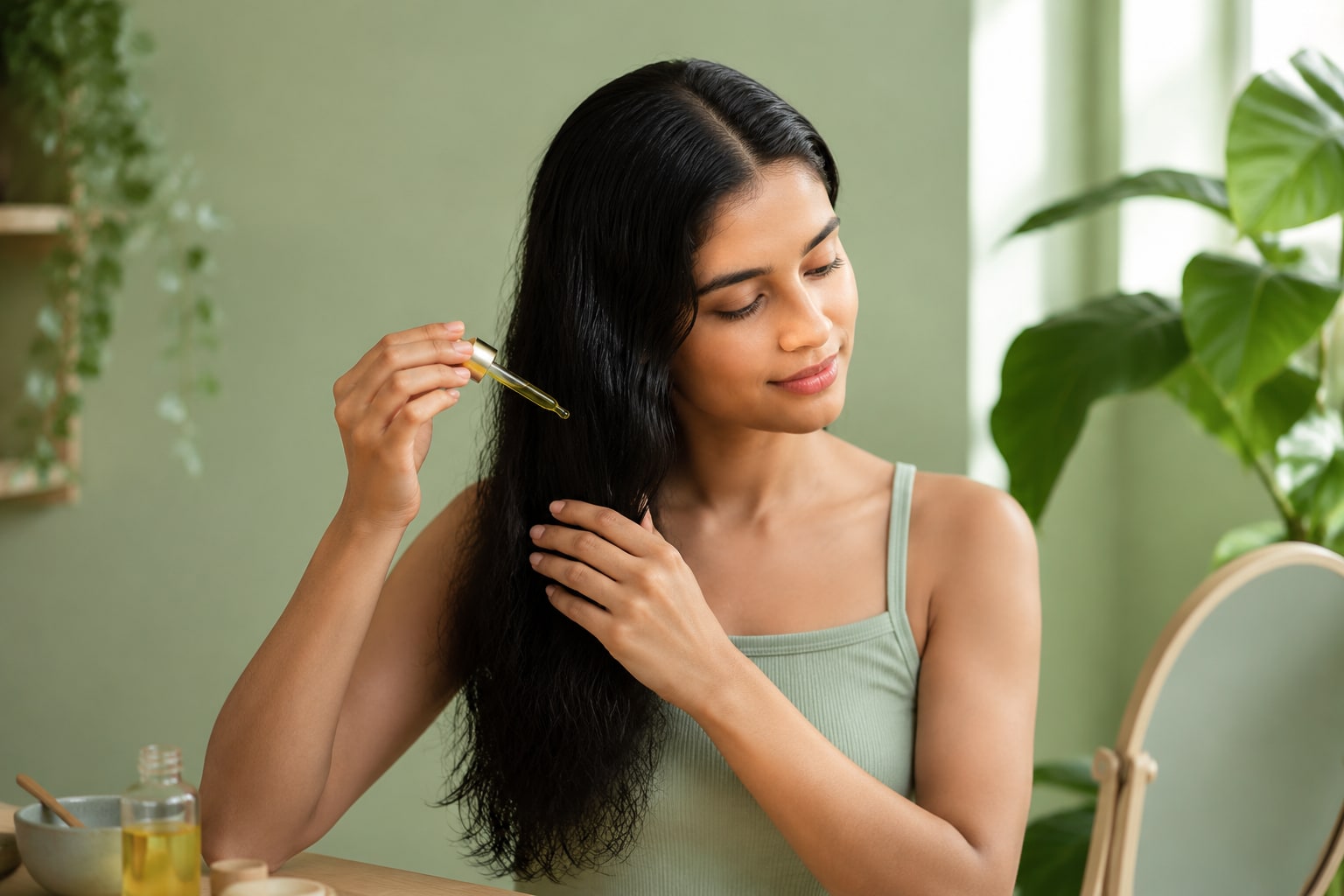
Learn how often to oil your hair by texture, wash schedule, and scalp response, with frequency tables and a practical decision checklist.
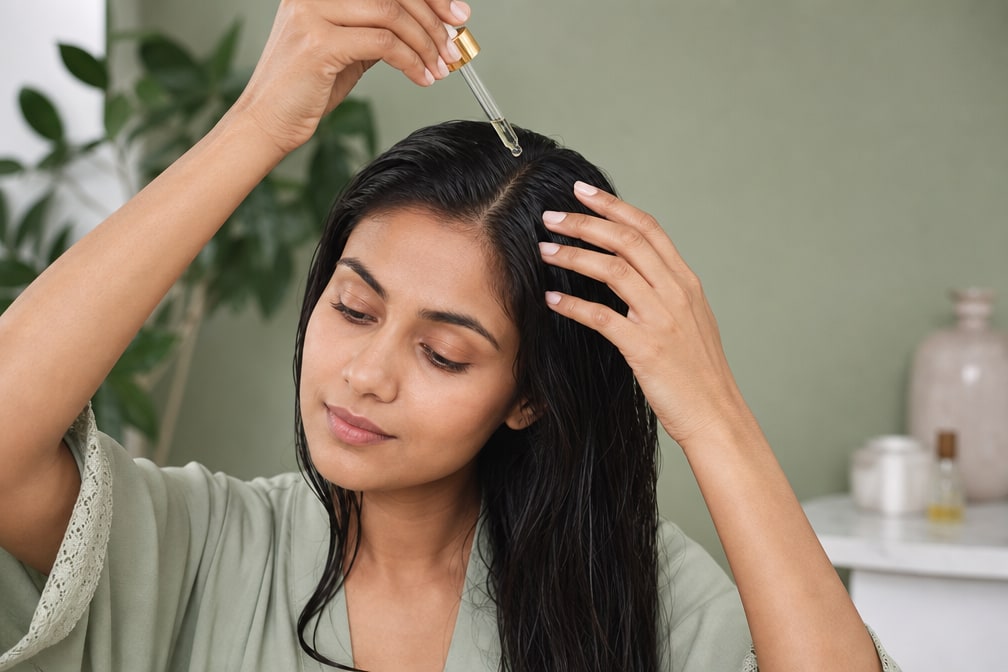
Apply hair oil with dose tables, timing checklist, and sectioning steps so fine, curly, and thick hair stay soft—not greasy.
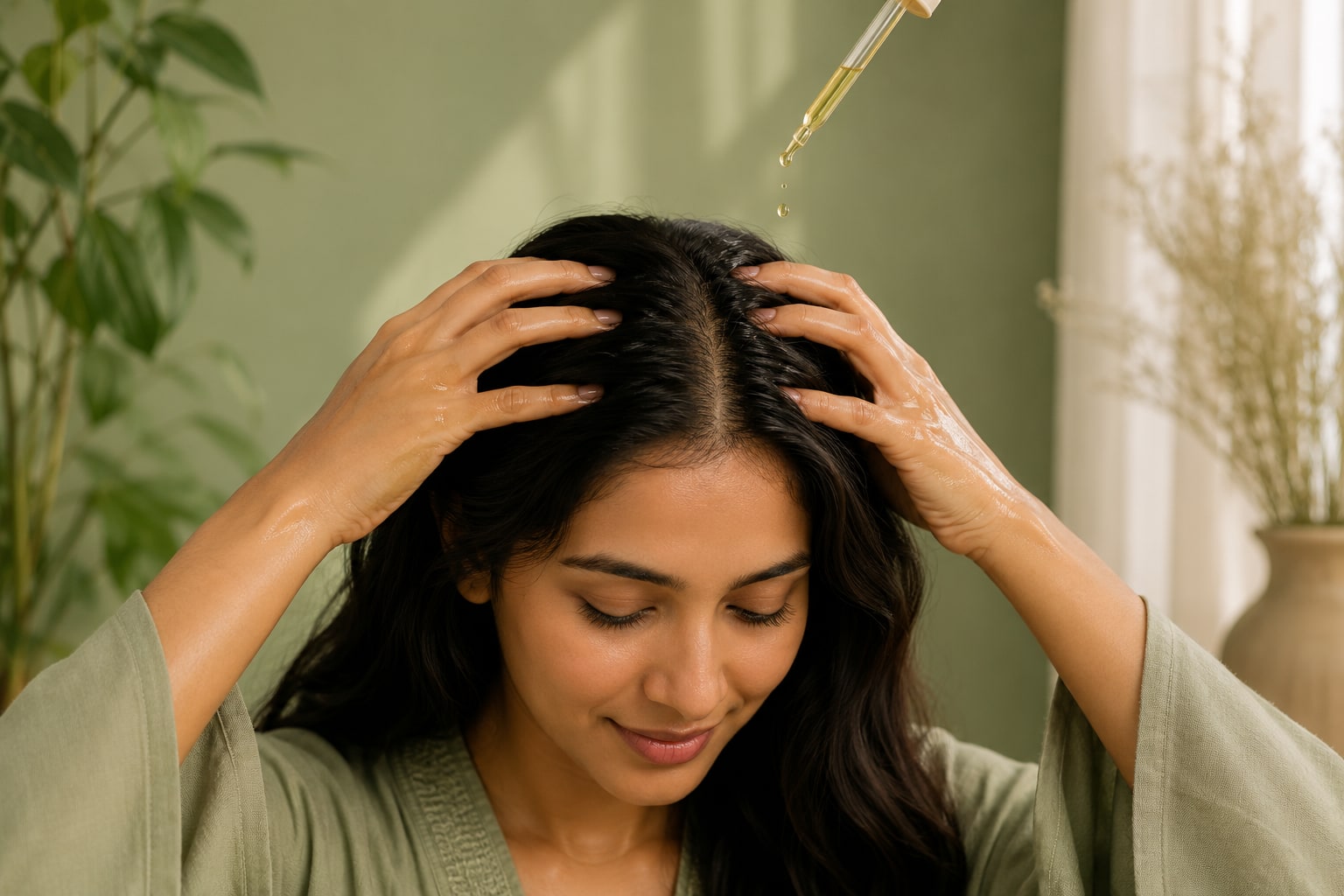
Build a gentle scalp massage routine with the right oil blends, pressure techniques, session length, and post-treatment cleansing steps.
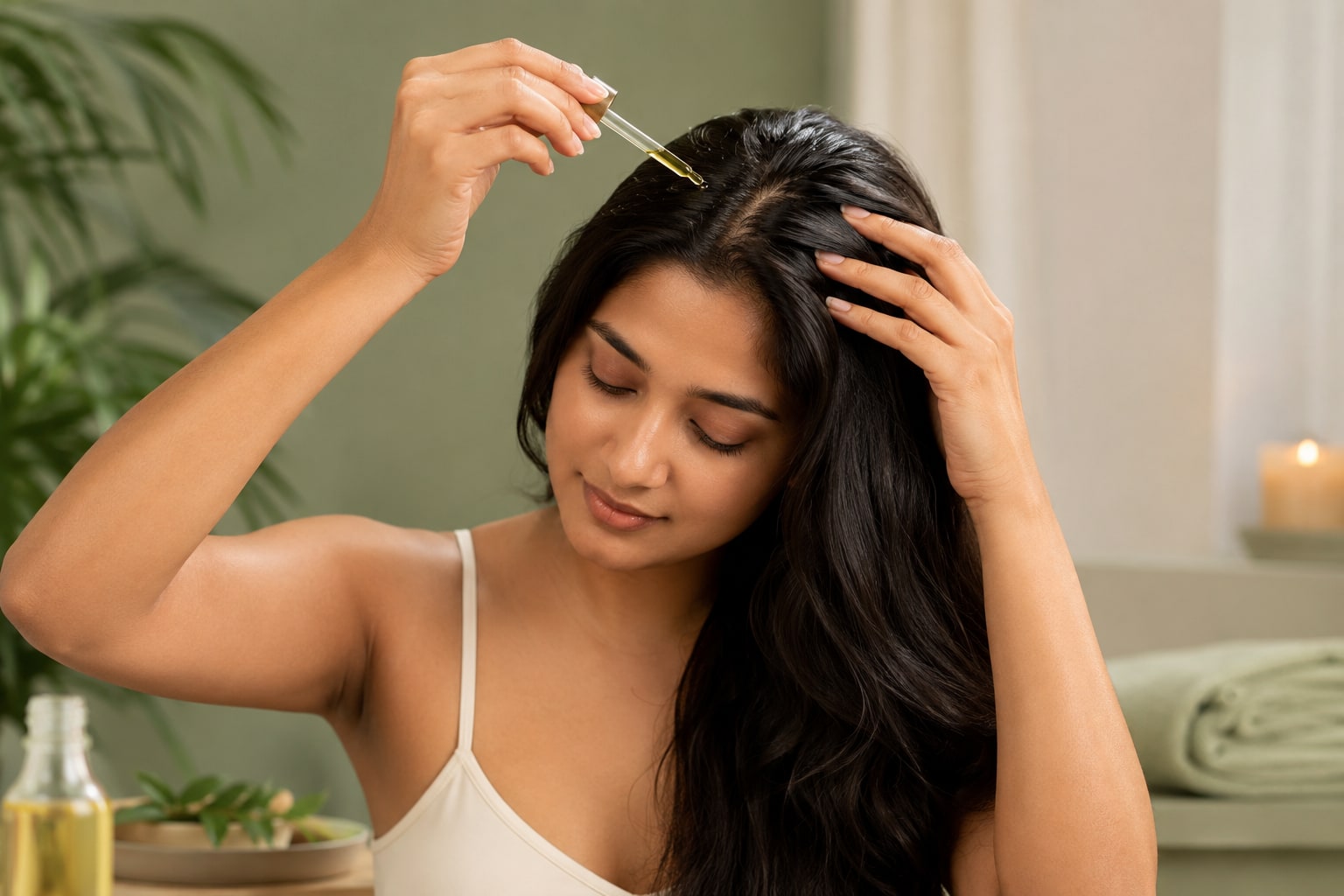
Overnight hair oiling: when it helps, dose by hair type, bedding prep, and morning wash cleanup that removes residue.
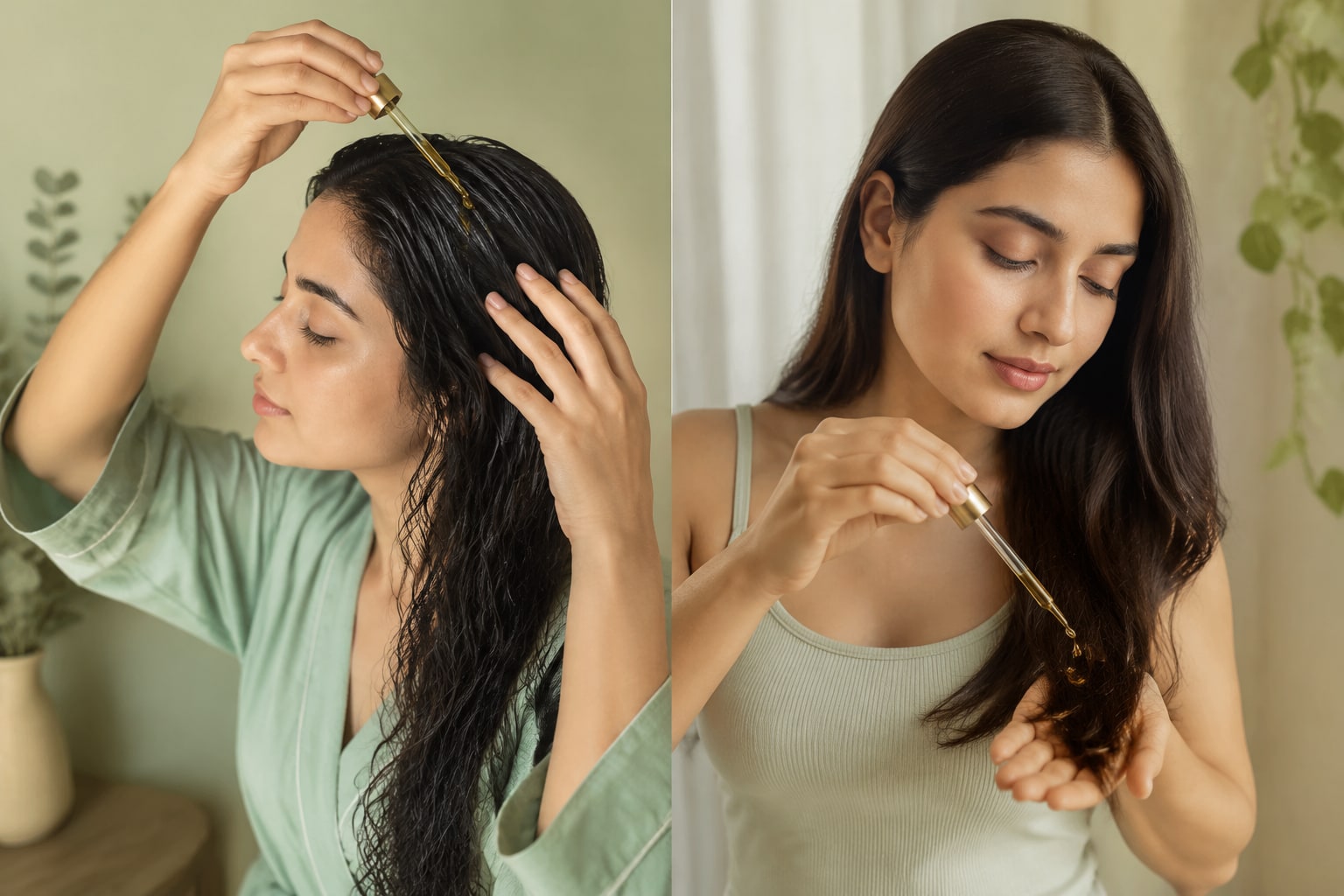
Compare pre-shampoo and leave-in oil methods with timing tables, choose-if checklists, and weekly templates for your wash schedule.
Concise routines, product updates, and new oil + hair type guides — matched to your hair goals.