How-To
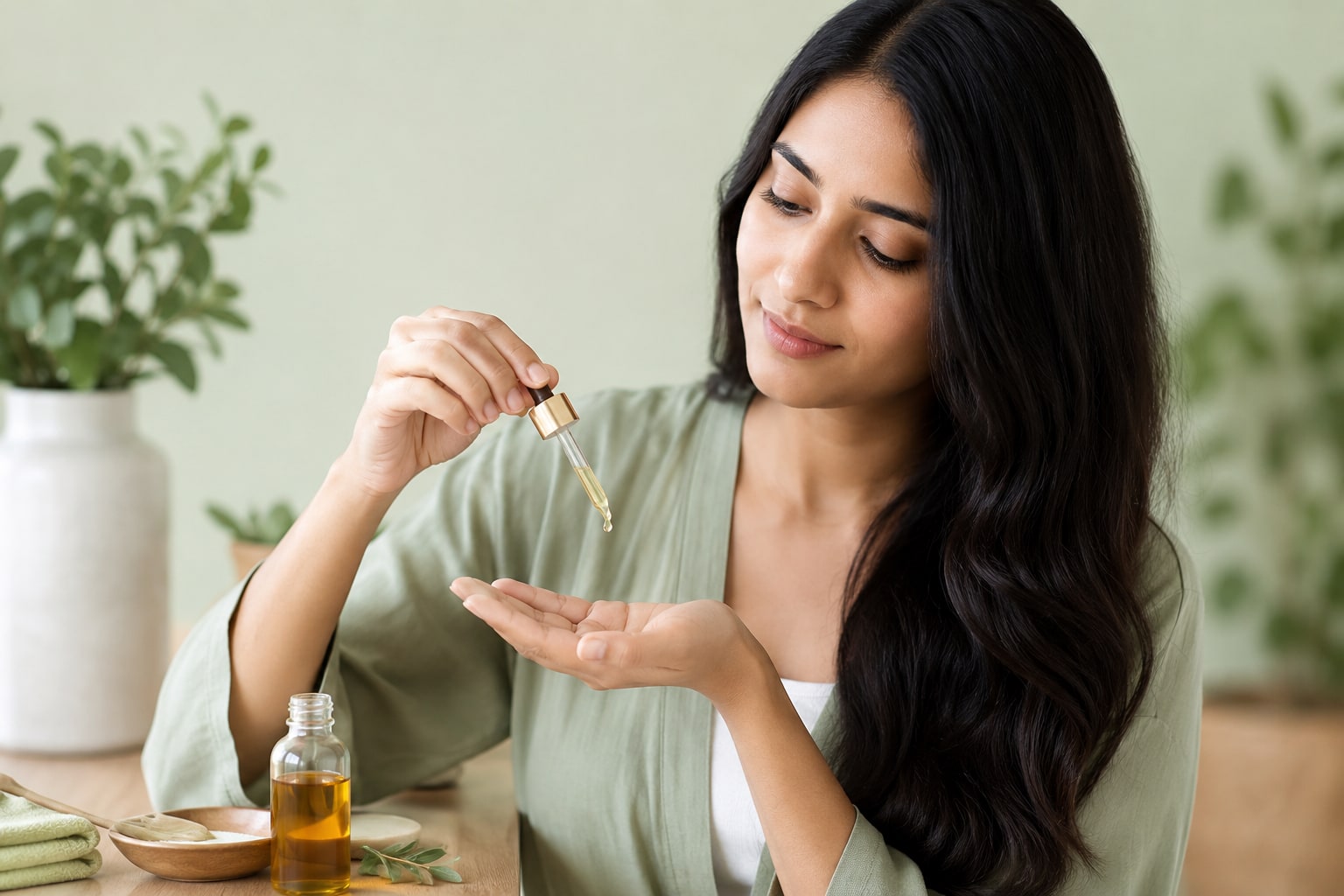
How Much Hair Oil Should You Use?
A practical dosing guide for fine, medium, and thick hair with measurement tables, oil-type ranges, and a quick decision checklist.
Updated September 2026
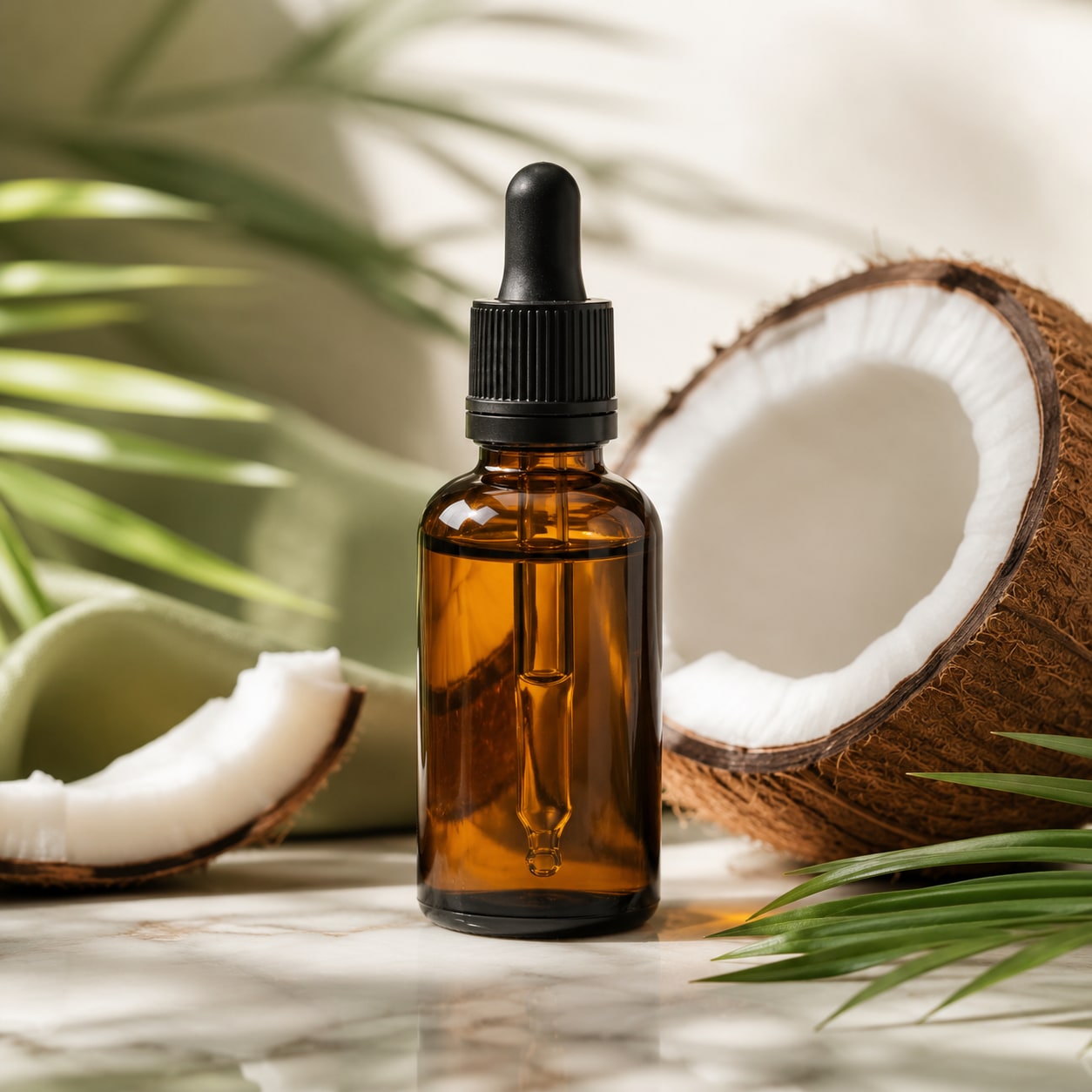
Learn how coconut oil works for pre-shampoo treatments, moisture retention, and reducing breakage when paired with hydration.
Coconut oil has a long history in hair care and remains one of the most researched oils for routine use, especially in pre-shampoo treatments. It is popular because it can improve softness and reduce roughness with consistent application, yet it is also one of the most misunderstood oils. Some users get excellent moisture retention and stronger-feeling strands, while others experience stiffness or waxy buildup. The difference is rarely the oil alone; it is usually about context, dosage, and routine design.
This guide explains how to use coconut oil in ways that respect your hair type, porosity, and wash schedule. If coconut has failed you before, there is a good chance technique played a role. Coconut oil tends to reward structured use: measured quantity, strategic timing, and thoughtful pairing with hydration. Treated this way, it can become a reliable support oil rather than a heavy experiment.
Coconut is usually strongest as a measured pre-shampoo on thick, curly, or high-porosity hair — not as a heavy daily leave-in on fine roots.
| Hair profile | Start with | Typical dose | Open this guide |
|---|---|---|---|
| Thick hair | Sectioned pre-shampoo | 1–2 tsp | Coconut for thick hair |
| Fine hair | Tiny end seal or skip leave-in | 1 drop or pre-shampoo ends only | Coconut for fine hair |
| Curly hair | Weekly pre-shampoo | 1–2 tsp on lengths | Coconut for curly hair |
| Dry / damaged | Pre-shampoo on porous ends | 1–2 tsp | Coconut for dry damaged hair |
| Oily scalp | Keep off roots; ends only if needed | Pre-shampoo lengths | Coconut for oily scalp |
If coconut feels stiff on protein-sensitive hair, pivot to jojoba for fine hair or argan for dry damaged hair.
Coconut oil is rich in medium-chain fatty acids, especially lauric acid, and is known for penetrating behavior compared with many surface-only oils. In practical terms, this can mean better support during washing and less protein loss in certain conditions. It also means coconut can feel more “active” than purely glossing oils, which is why some users notice quick changes in hair feel after only a few uses.
Penetrating behavior is not automatically better for every person. Hair that is protein-sensitive or already feeling rigid may interpret frequent coconut use as stiffness. This does not mean coconut is “bad”; it means the schedule or concentration may need adjustment. Many users solve this by using coconut mainly as pre-shampoo rather than daily leave-in.
Texture matters too. Coconut oil can solidify in cooler temperatures, which changes spread and leads to accidental overapplication if not warmed first. Melting a small amount between palms before use helps you distribute evenly and avoid concentrated patches.
The clearest coconut benefit is pre-wash protection. When hair is vulnerable during cleansing and detangling, coconut can reduce rough feel and post-wash fragility. Users with thick, curly, or high-porosity hair often report improved manageability when coconut is used before shampoo.
A second benefit is moisture retention support. Coconut does not hydrate by itself, but it can help preserve hydration already present from water and conditioners. That distinction is important: coconut works best with a moisture base, not as a replacement for moisture.
A third benefit is value and accessibility. Coconut oils are often available in multiple sizes and price points, making routine testing affordable. This allows users to focus on consistency and technique before investing in premium blends.
Overuse is the most common issue. Because coconut can feel smooth immediately, users may apply more each day and quickly cross into buildup. Hair then feels dull or stiff, and the oil gets blamed when the dosage is the real problem.
Another issue is poor pairing. Coconut plus heavy creams plus silicone finishing serums can create layer overload, especially if wash frequency is low. Simplifying the routine often restores performance.
Finally, coconut is sometimes used as a scalp cure-all. While some users enjoy occasional scalp use, routine saturation can feel heavy for oily scalps. If your roots get greasy quickly, keep coconut primarily on lengths and ends.
Apply coconut oil to dry hair, focusing on mid-lengths and ends. Leave for 30 minutes to overnight depending on tolerance. Shampoo thoroughly and condition as usual. This is the highest-yield method for many users because it provides benefits without daily residue.
After leave-in conditioner, use a very small amount of melted coconut on ends only. This can lock in softness for dry climates or high-friction routines. If hair feels stiff the next day, cut dose by half.
For braids or twists, coconut can be used sparingly on exposed ends and perimeter dryness. Use less than expected and reassess before reapplying.
Our coconut catalog includes options for different preferences:
Pick based on routine fit, not only branding. The best product is the one you can dose and remove comfortably.
Curly and thick hair often tolerate coconut very well as pre-shampoo and occasional sealant. Fine hair can still use coconut, but usually in micro-amounts and less frequent intervals. Dry or damaged hair may benefit from regular pre-shampoo coconut plus rich conditioner, while oily scalp profiles often need strict root avoidance.
Color-treated hair can gain softness from coconut, especially on porous ends, but balance is key. If color services leave hair fragile, combine coconut with gentle cleansing and avoid harsh stripping shampoos immediately after treatment.
Use these targeted pages for precise recommendations:
This supports softness without heavy daily layering.
This helps users with rough, porous lengths and frequent styling.
This works well for fine or easily weighed-down hair.
Check whether the product is pure coconut or a blend, and decide based on your routine goals. Pure oils are flexible for pre-shampoo and DIY dilution. Blends can offer convenience but may include extra fragrance or texture modifiers that change feel. Container style matters too: jar formats are common for pure coconut, while pump bottles can improve daily dose control for hair oils.
Read reviews for usage context. A product praised for overnight masks might not be ideal for fine-hair leave-in use. Look for comments from users with similar density and wash cadence, then test cautiously before scaling frequency.
If your hair feels stiff after coconut use, do not abandon the oil immediately. First, change timing. Move coconut to pre-shampoo only for two weeks and remove daily leave-in use. Many users regain softness with this single adjustment because contact becomes controlled and removal is easier.
If buildup appears quickly, reduce quantity before reducing frequency. Coconut is easy to over-pour when melted, especially on longer hair. Measure with fingertips rather than pouring directly from container to hair.
If your scalp becomes greasy while ends stay dry, keep coconut off roots and use targeted end application. Scalp and shaft often need different strategies. You can still get coconut benefits without full-head saturation.
If post-wash hair feels stripped, the issue may be cleanser strength rather than coconut itself. Pair coconut with a gentle but effective shampoo and a moisture-supporting conditioner. Balanced cleansing protects routine consistency better than oscillating between heavy oil and harsh wash cycles.
Coconut oil is a high-value choice for users who want pre-shampoo support, friction reduction, and stronger moisture retention habits. It is especially useful for dry, thick, curly, or high-porosity hair when applied strategically. Users with fine or protein-sensitive hair can still benefit, but they usually need smaller doses and less frequent use.
Used with intention, coconut oil can improve consistency and reduce wash-day stress. Use it where it works best, pair it with hydration, and keep your routine flexible as weather and hair condition evolve. That approach delivers better long-term outcomes than chasing dramatic one-night transformations.
Coconut oil can be very effective for reducing protein loss and dryness in some hair routines, especially pre-shampoo.
Yes for some users, particularly protein-sensitive hair or when overused without hydration.
Many people do well with one or two pre-shampoo applications weekly and limited leave-in use.
It can, but many users prefer focusing on lengths and ends to avoid heaviness at roots.
Virgin oils are often chosen for minimal processing, but texture fit and routine compatibility matter most.
Yes, especially as a pre-shampoo mask, as long as quantity is controlled and bedding is protected.
Hair porosity, protein sensitivity, climate, and dose all affect performance and comfort.
Water-based leave-ins, humectant-rich conditioners, and occasional clarifying washes pair well with coconut routines.
Oil + hair type guides
Each guide pairs this oil with a specific hair type for dosage, pros, and product picks.
Further reading
How-to routines and oil comparisons that complement this oil profile.
A practical dosing guide for fine, medium, and thick hair with measurement tables, oil-type ranges, and a quick decision checklist.
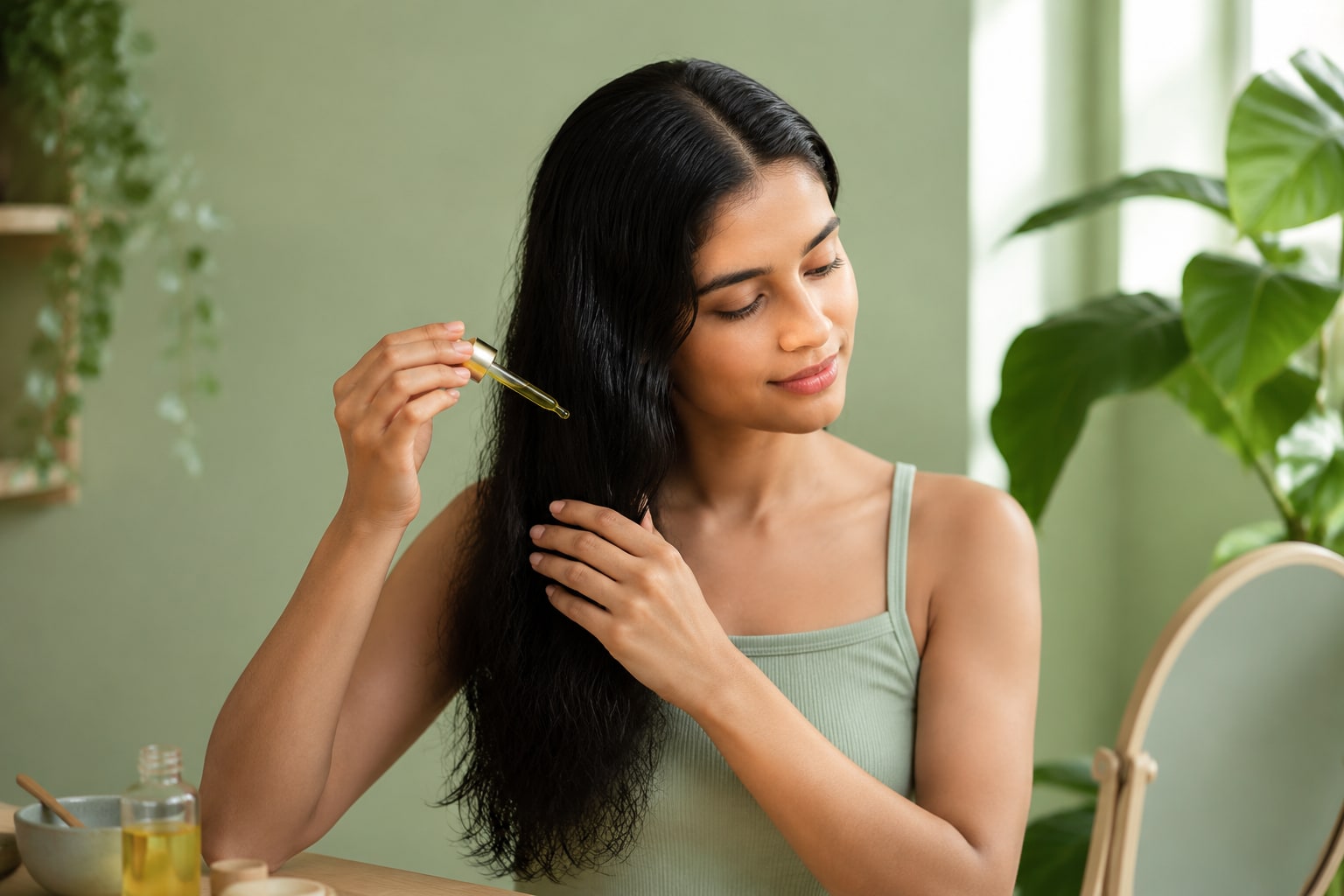
Learn how often to oil your hair by texture, wash schedule, and scalp response, with frequency tables and a practical decision checklist.
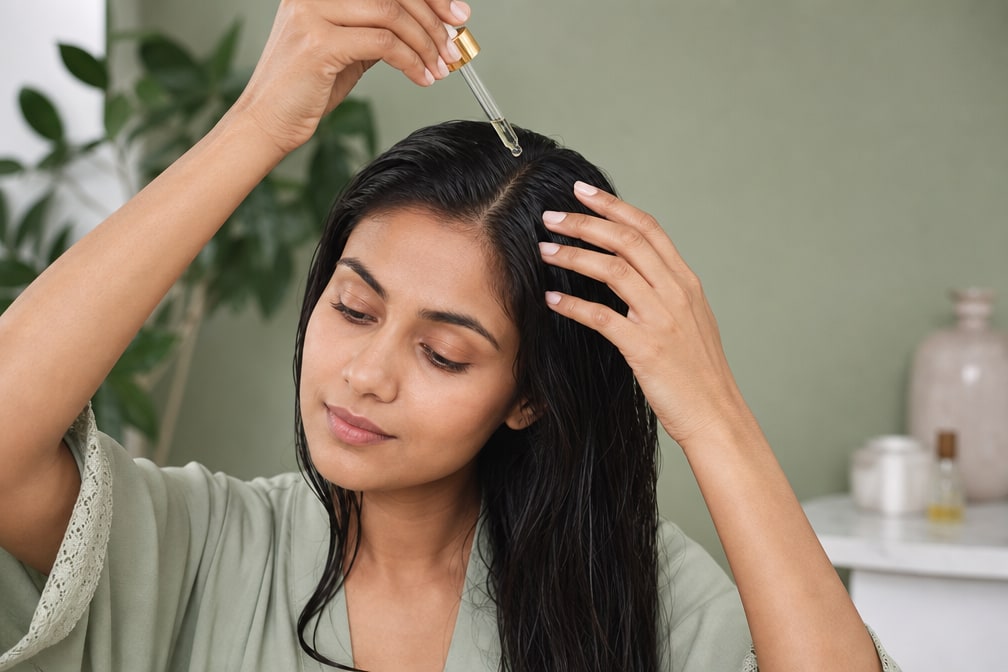
Apply hair oil with dose tables, timing checklist, and sectioning steps so fine, curly, and thick hair stay soft—not greasy.
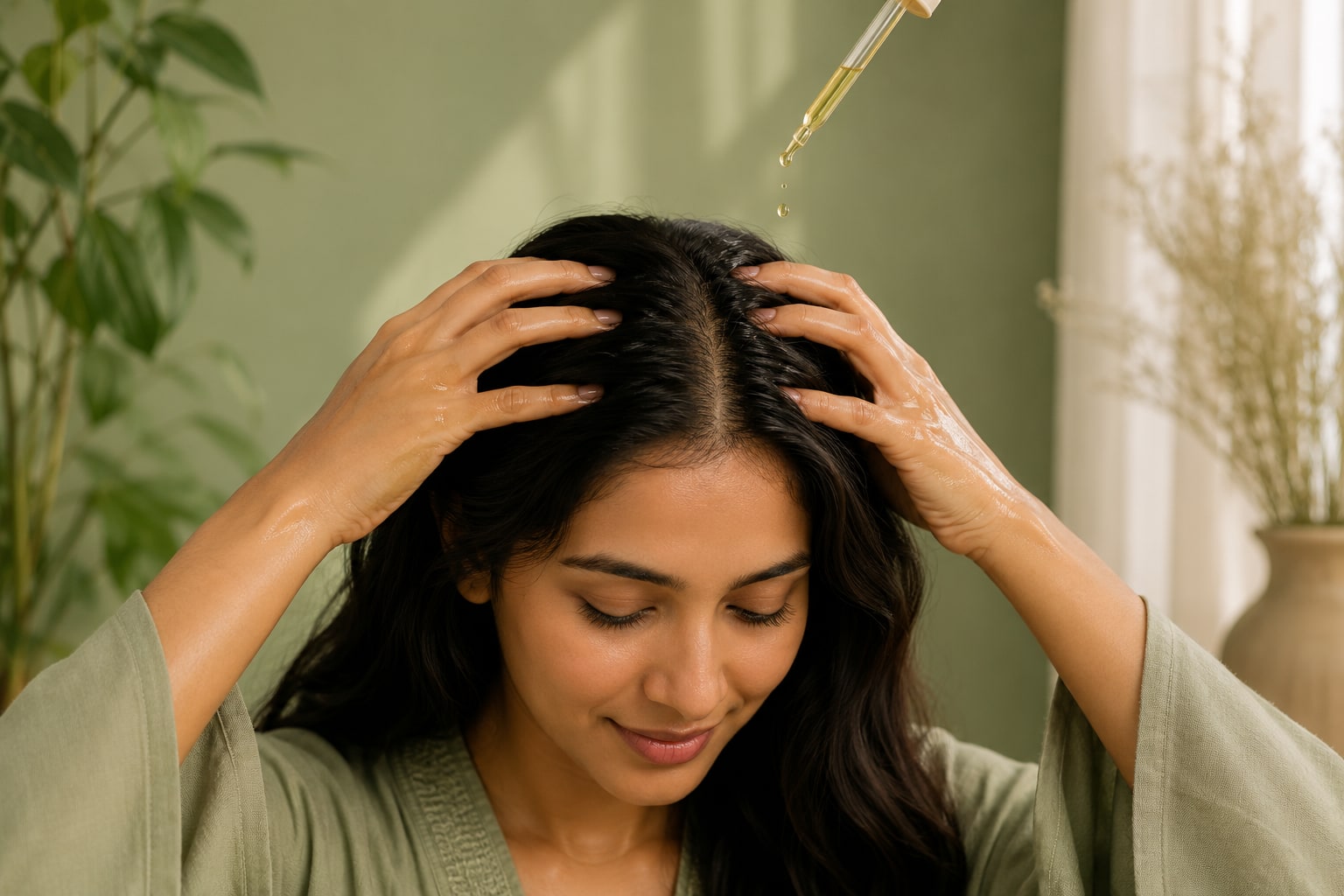
Build a gentle scalp massage routine with the right oil blends, pressure techniques, session length, and post-treatment cleansing steps.
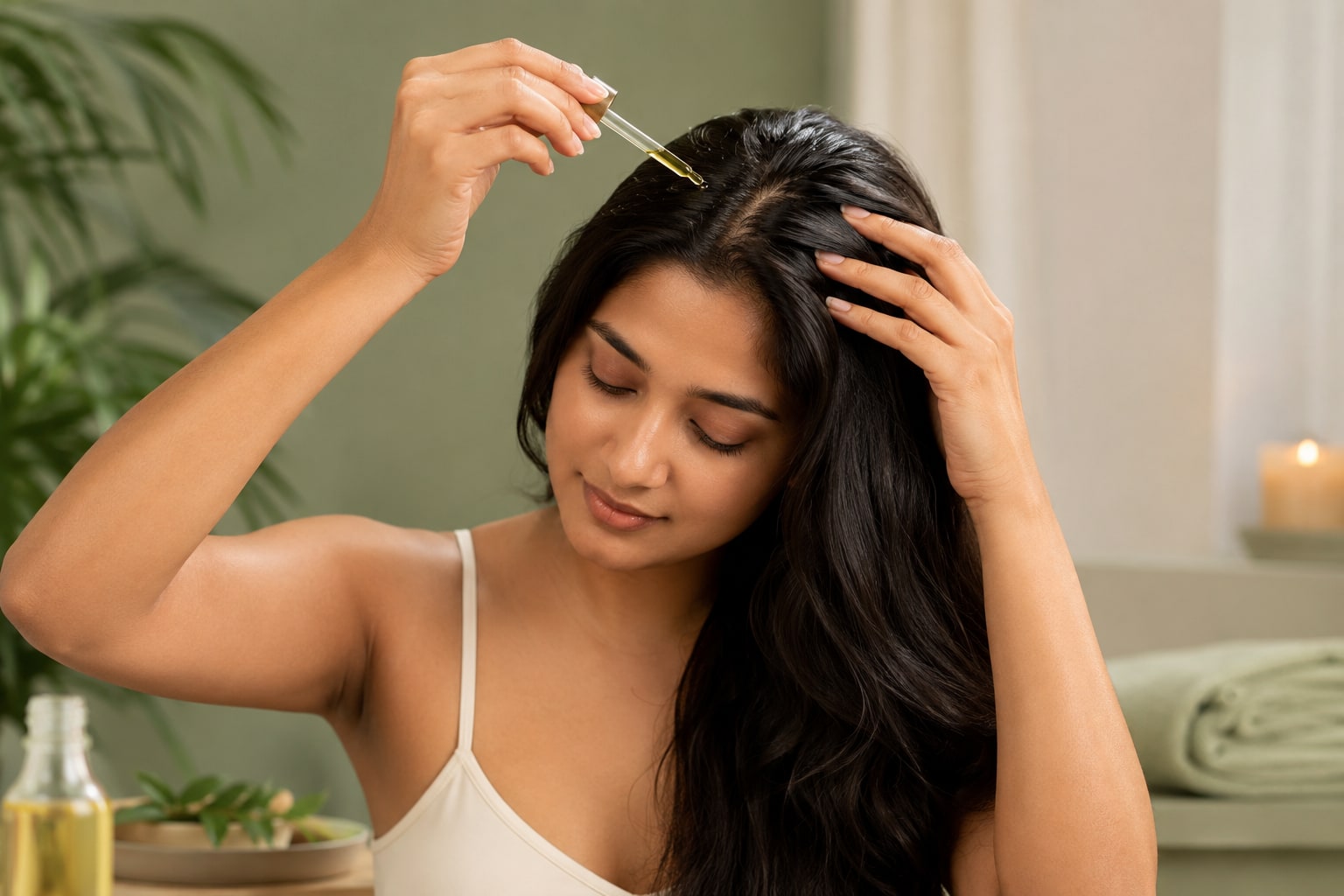
Overnight hair oiling: when it helps, dose by hair type, bedding prep, and morning wash cleanup that removes residue.
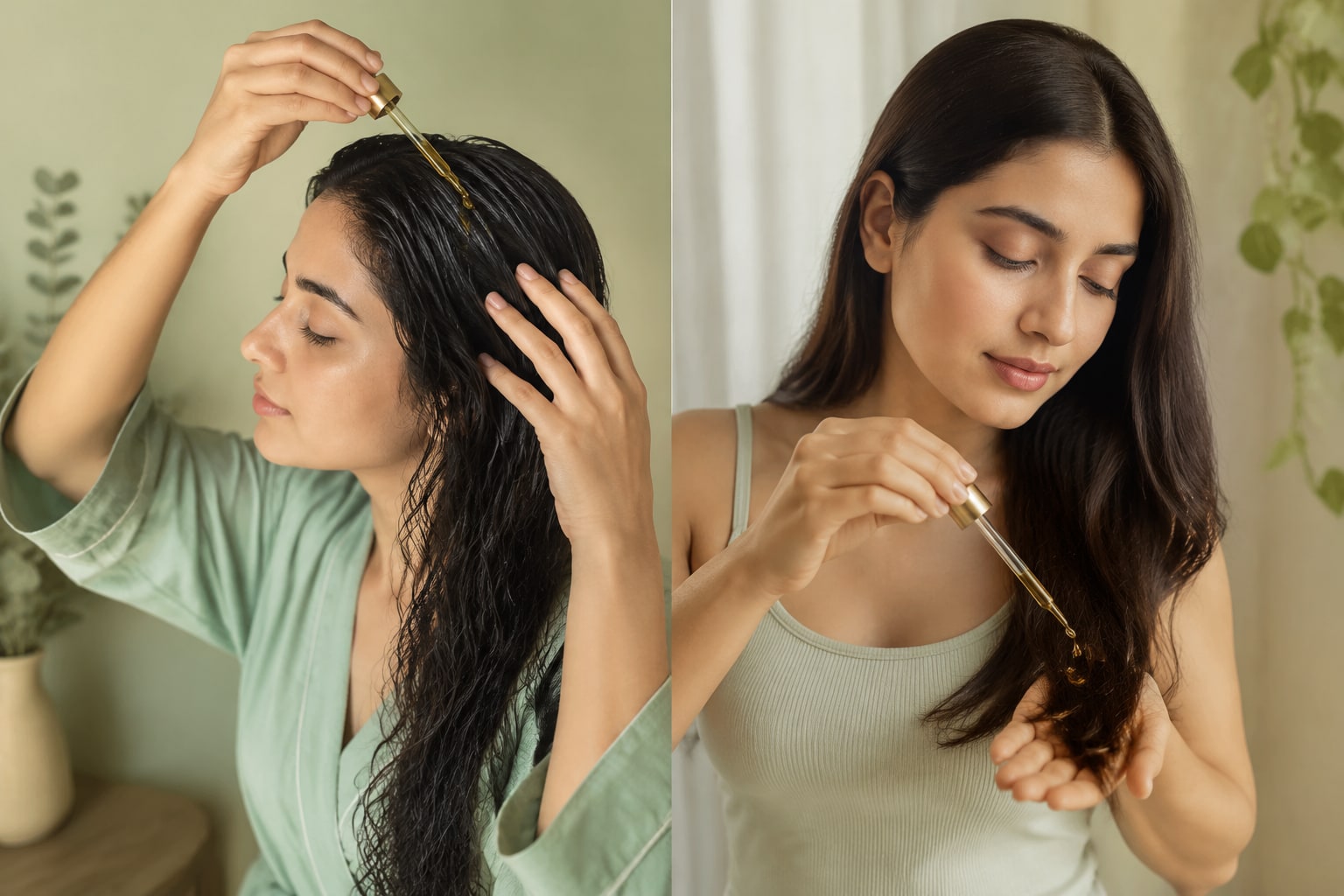
Compare pre-shampoo and leave-in oil methods with timing tables, choose-if checklists, and weekly templates for your wash schedule.
Concise routines, product updates, and new oil + hair type guides — matched to your hair goals.