How-To
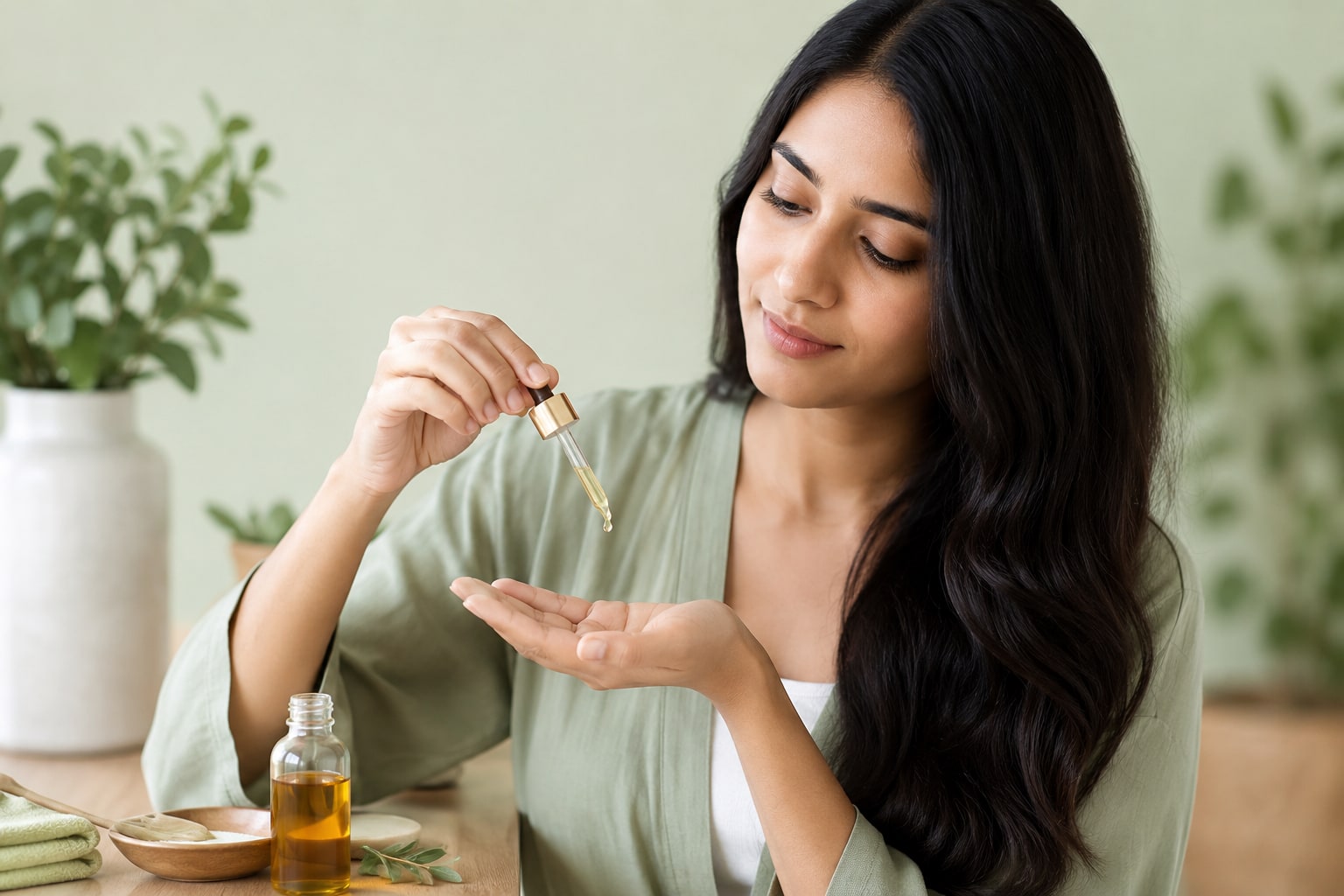
How Much Hair Oil Should You Use?
A practical dosing guide for fine, medium, and thick hair with measurement tables, oil-type ranges, and a quick decision checklist.
Updated September 2026
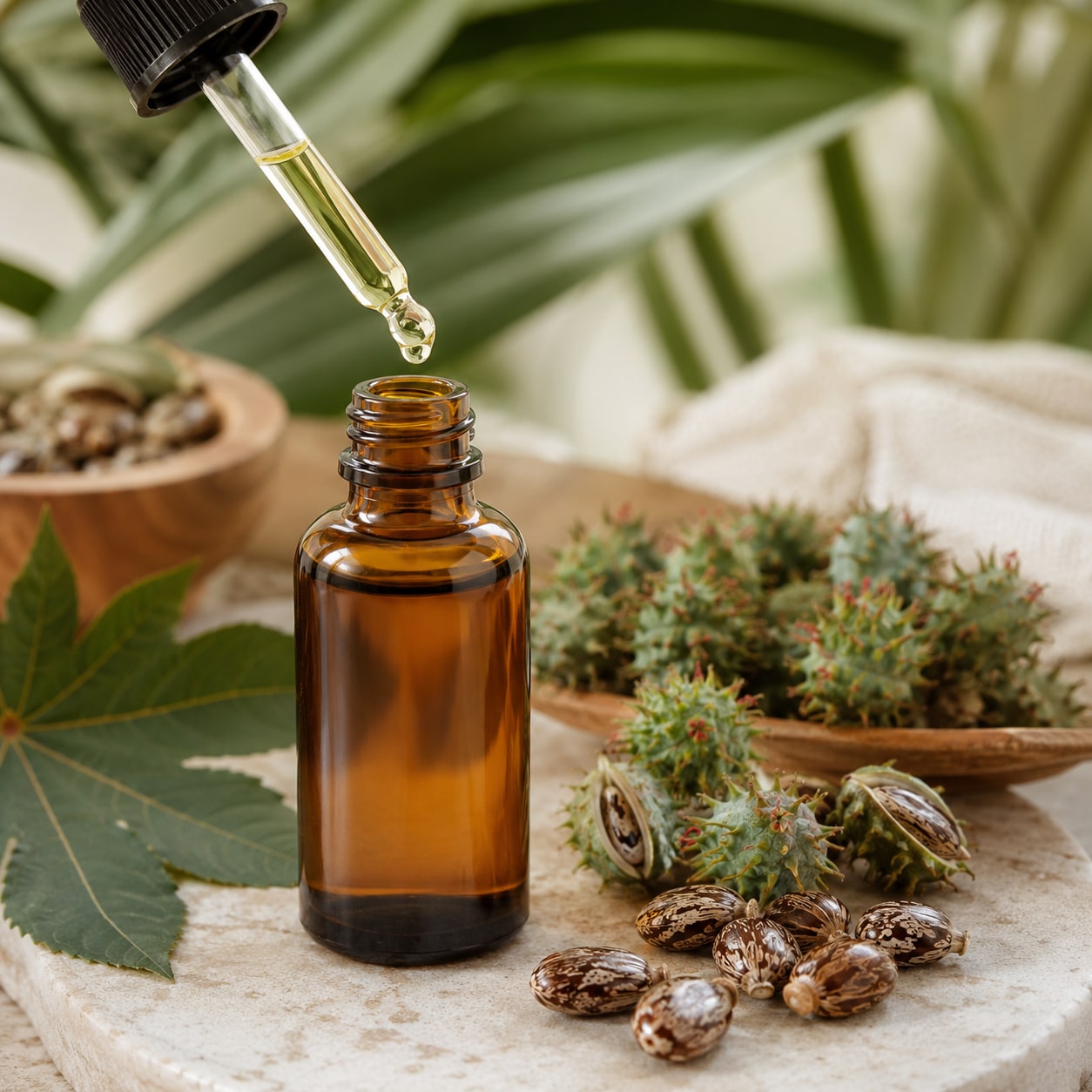
Learn how castor oil supports moisture retention, scalp comfort, and stronger-feeling ends when used with the right dose and timing.
Castor oil remains one of the most discussed hair oils because it feels different from almost every other option on the shelf. It is thick, glossy, and highly occlusive, which means it can seal hydration effectively when used with the right technique. At the same time, those strengths create trade-offs: too much castor oil can leave residue, make fine hair limp, and force extra wash days if your routine is not balanced. This guide explains where castor oil shines, where it can disappoint, and how to use it in ways that match your hair type rather than social media trends.
If you are evaluating castor oil for growth goals, set your expectations clearly at the start. No topical oil can override genetics, hormones, nutrient status, or medical scalp conditions. What castor oil can do well is support a healthier styling environment by reducing friction and helping hair feel less brittle between wash days. For many users, that improved handling translates to fewer snapped ends and better length retention over time. Castor oil works best as part of a complete routine, not as a miracle shortcut.
Castor is dense and occlusive. Use it on ends, edges, and protective styles — not as a full-length daily leave-in on fine hair.
| Hair profile | Start with | Typical dose | Open this guide |
|---|---|---|---|
| Dry / damaged | Ends and porous tips | Few drops or 1:1 jojoba dilute | Castor for dry damaged hair |
| Curly hair | Last two inches after leave-in | 2–4 drops | Castor for curly hair |
| Thick hair | Pre-shampoo or overnight ends | 1 tsp sectioned | Castor for thick hair |
| Fine hair | Diluted, ends only | 1 drop diluted | Castor for fine hair |
| Oily scalp | Avoid roots; lengths only if dry | Diluted ends | Castor for oily scalp |
For application technique, see how to apply hair oil and overnight oil treatment. Breakage routines beyond sealing live on Hair Strength.
Castor oil is rich in ricinoleic acid, a fatty acid that contributes to its dense feel and cling. Compared with lighter oils, castor sits on the hair shaft longer and creates a stronger sealing layer. That makes it a practical option for dry ends, protective styles, and routines where you want lasting softness after wash day. It also means your dose must be controlled. Even one extra teaspoon can be the difference between nourished hair and a heavy finish.
The first practical rule is to separate intent by zone. If your scalp feels balanced but your ends are fragile, keep castor mostly on mid-lengths and tips. If your scalp feels tight, flaky, or stressed, occasional diluted scalp massage can be useful. Dilution matters because pure castor can feel stubborn to spread, and rough application defeats the point by increasing mechanical stress. Warming a few drops in your hands before application improves glide immediately.
The second rule is pairing. Castor oil performs best after hydration, not in place of hydration. Think of it as a seal layer for leave-in conditioner, water-based mist, or moisturizing cream. Applied to dry hair without underlying moisture, it can sometimes trap dryness instead of solving it. Applied in thin layers over damp, conditioned hair, it can extend softness into day two and day three more consistently.
The most immediate castor oil benefit is reduced roughness on dry areas. Ends often feel smoother within one or two applications because castor reduces friction where strands rub on clothing, pillowcases, and styling tools. Many users with curly, coily, or high-density hair report easier detangling and less single-strand knotting when castor is used as a targeted sealant.
A second benefit is support for protective styling. Braids, twists, buns, and low-manipulation routines all create opportunities for localized dryness, especially around exposed ends. Castor oil can maintain flexibility in these areas when used sparingly. This helps styles look neater for longer and can reduce the urge to over-handle hair between wash days.
A third benefit is consistency. Lightweight oils can sometimes “disappear” quickly on very dry hair, leading to repeated application and accidental overuse. Castor tends to persist, so a measured amount can carry performance longer. That is useful for users who prefer fewer products and predictable weekly rhythms.
Castor oil is not universally comfortable. Fine hair, low-density hair, and low-porosity routines can struggle with buildup if castor is treated like a daily shine oil. In these cases, castor often works better as an occasional pre-shampoo step or as a blend component rather than a standalone leave-in.
Another limitation is wash effort. Because castor clings well, removing excess may require double cleansing or a shampoo-first-on-dry-hair method. If your schedule does not support longer wash sessions, keep doses minimal. Product success is not only about ingredient quality; it is about whether the routine remains realistic week after week.
A frequent mistake is applying castor directly to roots with heavy pressure. Scalp massage can be beneficial when gentle and brief, but aggressive rubbing plus thick oil can irritate sensitive skin. Use fingertips lightly, limit sessions, and stop if itch or redness increases. Comfort is data, not something to ignore.
This is often the easiest entry point. Section dry hair, apply a small amount to mid-lengths and ends, and leave for 30 to 90 minutes before cleansing. For thick or curly hair, overnight pre-shampoo can work if protected with a scarf or bonnet. This method gives castor time to soften rough areas without forcing daily residue.
After leave-in conditioner on damp hair, smooth two to six drops of castor between palms and press into ends. Avoid saturating roots. This supports moisture retention while minimizing heaviness. If hair feels coated the next day, reduce quantity before changing products.
Mix castor with a lighter carrier like jojoba or grapeseed and apply a few drops along scalp sections once weekly. Massage gently for two to three minutes, then cleanse after one to several hours. This approach provides the feel of a treatment without the stickiness many users dislike from pure castor on scalp.
When testing castor oil, start with formulas and brands that align with your texture and routine tolerance:
These references are not one-size-fits-all winners. Use them as starting points, then adjust dose and frequency before deciding a product is right or wrong.
Hair type fit determines whether castor becomes a staple or a frustration. Curly and coily textures often tolerate richer oils because strand shape slows natural sebum travel. Fine straight or wavy hair usually requires more caution, since even healthy oils can flatten volume quickly. Color-treated hair can benefit from castor on ends where porosity is higher, but roots may still need lighter handling.
Porosity also changes outcomes. High-porosity hair often responds well to castor sealing after hydration. Low-porosity hair may feel coated unless castor is diluted and used less often. If your hair takes a long time to dry and products sit on top, test castor in very small quantities first.
Use these focused guides to skip guesswork and go directly to your context:
This schedule supports moisture retention while keeping buildup manageable.
This pattern balances nourishment and scalp clarity.
This approach helps users who want scalp ritual without heavy daily residue.
Before purchasing, scan for extraction method, bottle format, and practical usability. A high-quality castor oil still fails if the dispenser makes over-pouring inevitable. Dark bottles can support stability. Dropper tops can improve dose control for fine hair users. Larger sizes offer value but only if you can finish the product consistently before routine changes.
Review language should be interpreted carefully. Five-star ratings matter less than repeat themes in mixed reviews. Look for comments about removal effort, scalp comfort, and real-world texture compatibility. Marketing terms like “growth booster” should not replace realistic routine planning.
Castor oil is an excellent first pick for users with dry ends, textured hair, or protective styles who want longer-lasting seal and softness. It is less ideal as a daily root product for fine or easily weighed-down hair unless diluted and tightly measured. The best outcomes come from small doses, strategic placement, and pairing with hydration rather than replacing hydration.
If you remember one rule, make it this: castor oil is a precision tool, not a volume contest. Use less, place intentionally, and let your hair’s response guide frequency. With that mindset, castor oil can become one of the most reliable oils in your routine instead of one more product that sits half-used on the shelf.
Castor oil may support scalp comfort and moisture retention, but direct clinical evidence for faster growth is limited.
Yes. Fine hair can get weighed down quickly, so dilution with lighter oils and small doses are usually better.
Most people do well with one to two uses per week, then adjust based on buildup and wash frequency.
It can be used on both, but many users get best results applying mostly on mid-lengths and ends.
Yes, especially as a pre-shampoo treatment, but use a small amount and protect bedding.
Apply shampoo to dry or damp hair first, emulsify, then rinse and repeat if needed.
It can reduce friction and moisture loss, which may lower mechanical breakage over time.
Yes. Many routines blend castor with lighter oils like jojoba or grapeseed for easier spread.
Oil + hair type guides
Each guide pairs this oil with a specific hair type for dosage, pros, and product picks.
Further reading
How-to routines and oil comparisons that complement this oil profile.
A practical dosing guide for fine, medium, and thick hair with measurement tables, oil-type ranges, and a quick decision checklist.

Learn how often to oil your hair by texture, wash schedule, and scalp response, with frequency tables and a practical decision checklist.
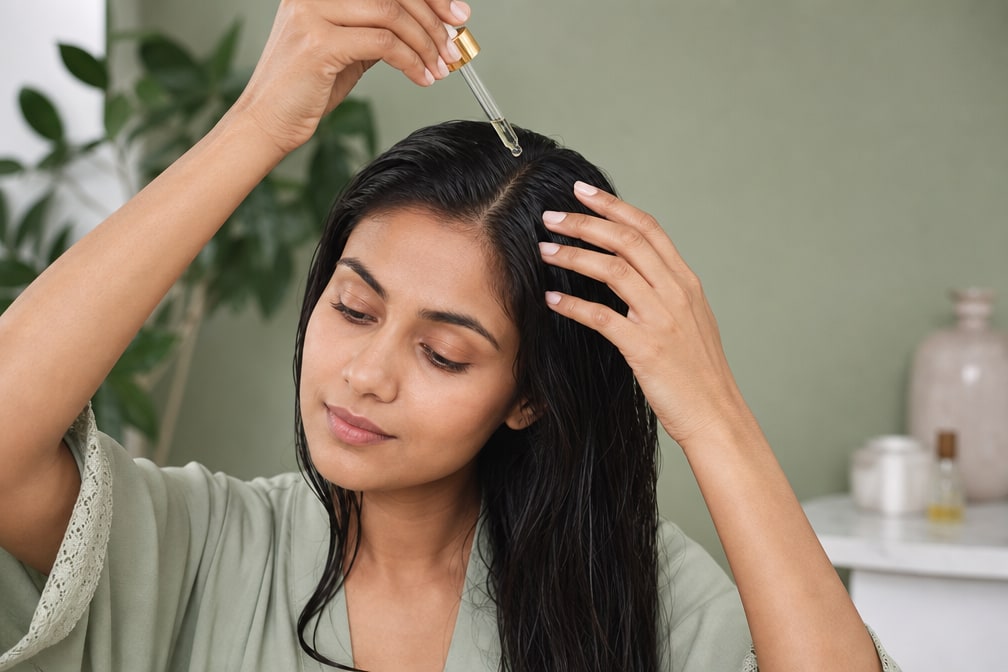
Apply hair oil with dose tables, timing checklist, and sectioning steps so fine, curly, and thick hair stay soft—not greasy.
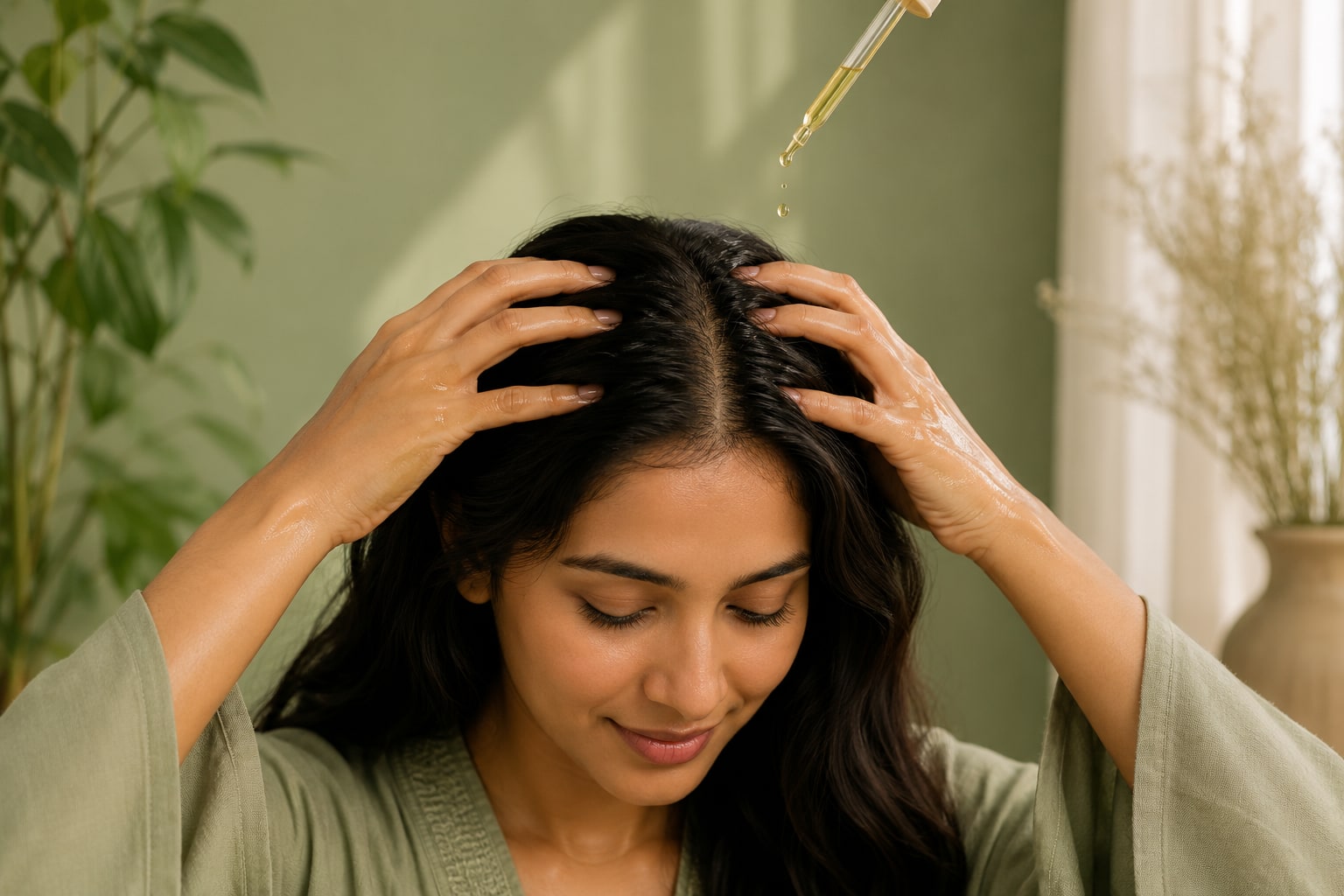
Build a gentle scalp massage routine with the right oil blends, pressure techniques, session length, and post-treatment cleansing steps.
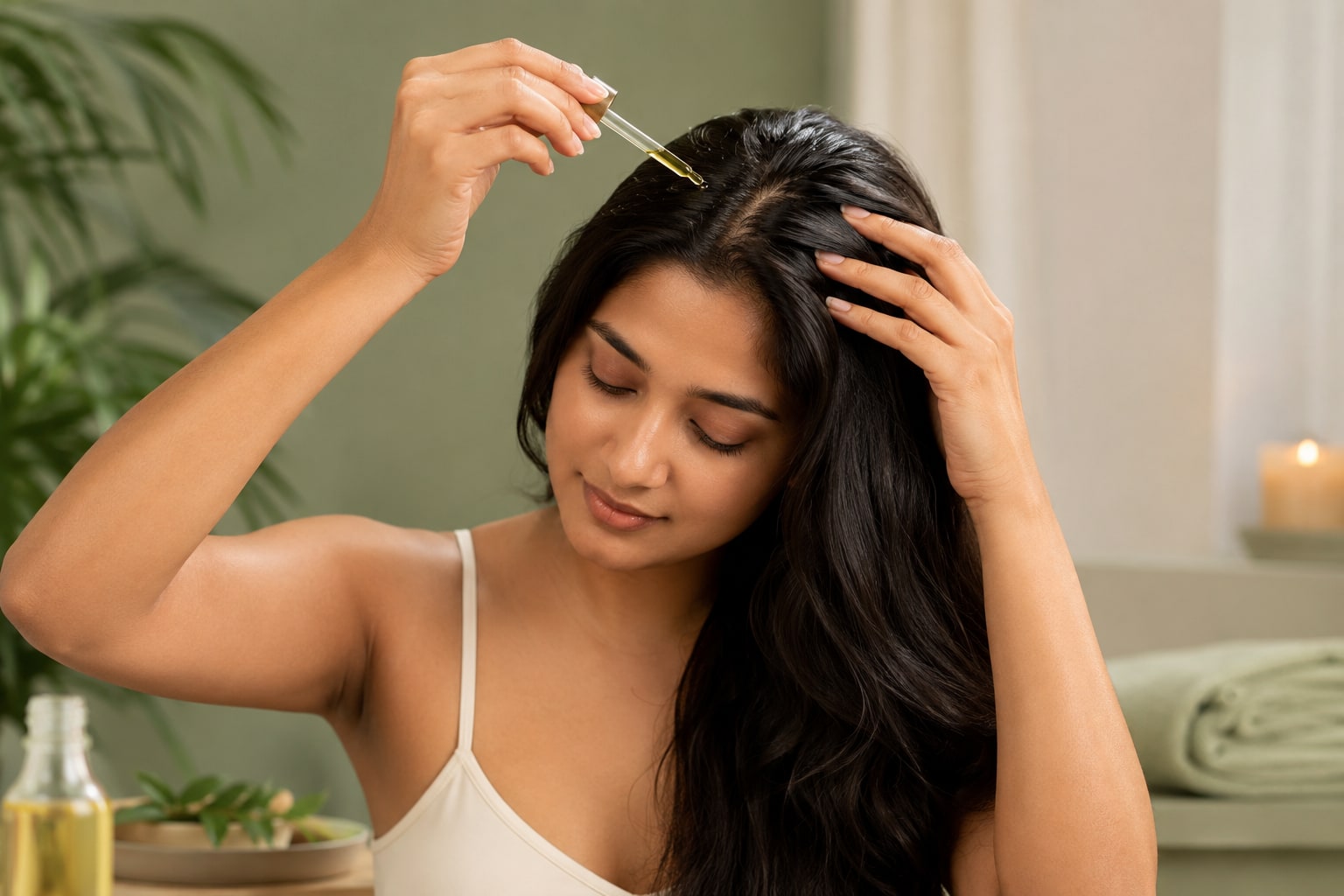
Overnight hair oiling: when it helps, dose by hair type, bedding prep, and morning wash cleanup that removes residue.

Compare pre-shampoo and leave-in oil methods with timing tables, choose-if checklists, and weekly templates for your wash schedule.
Concise routines, product updates, and new oil + hair type guides — matched to your hair goals.