How-To
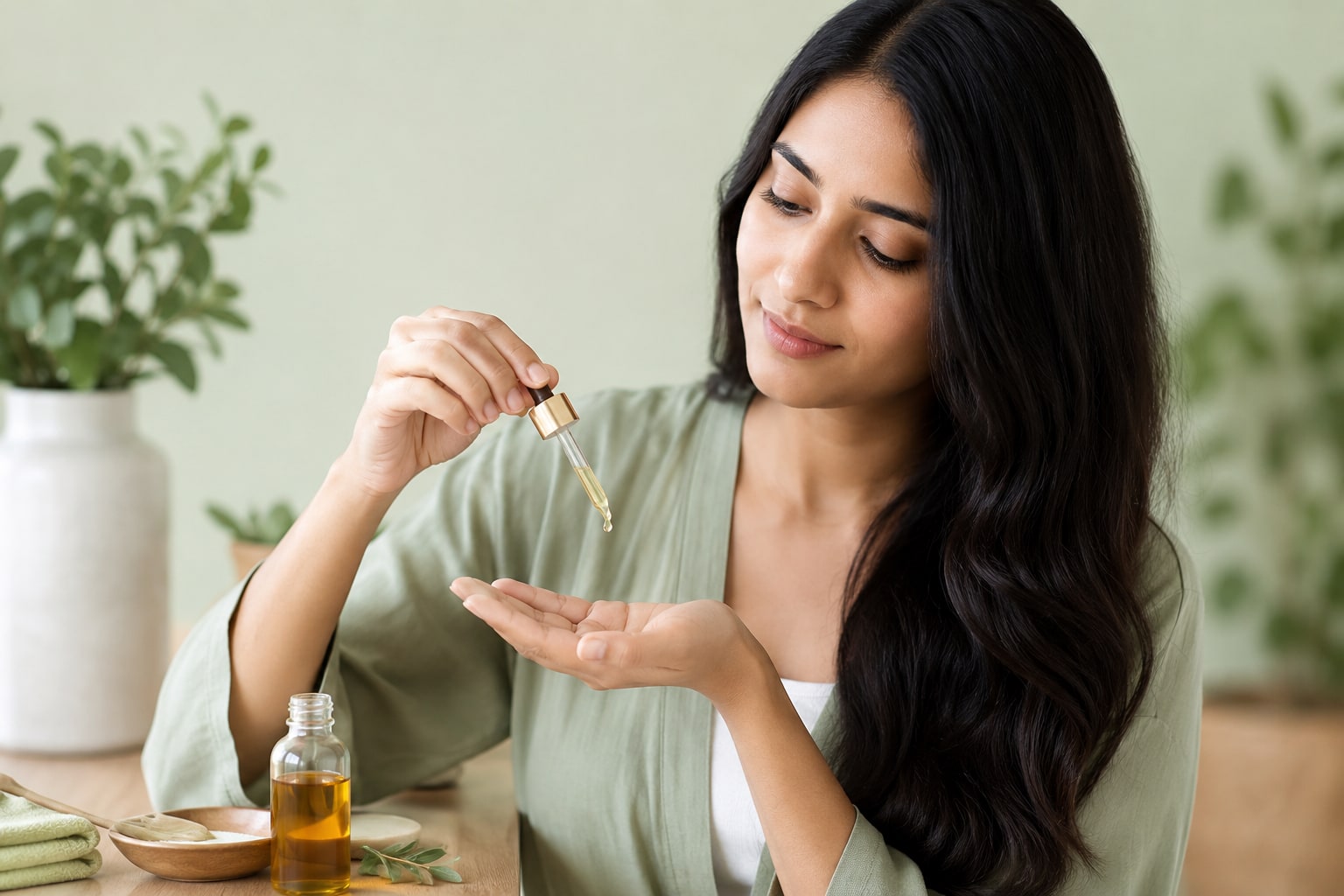
How Much Hair Oil Should You Use?
A practical dosing guide for fine, medium, and thick hair with measurement tables, oil-type ranges, and a quick decision checklist.
Updated July 2026
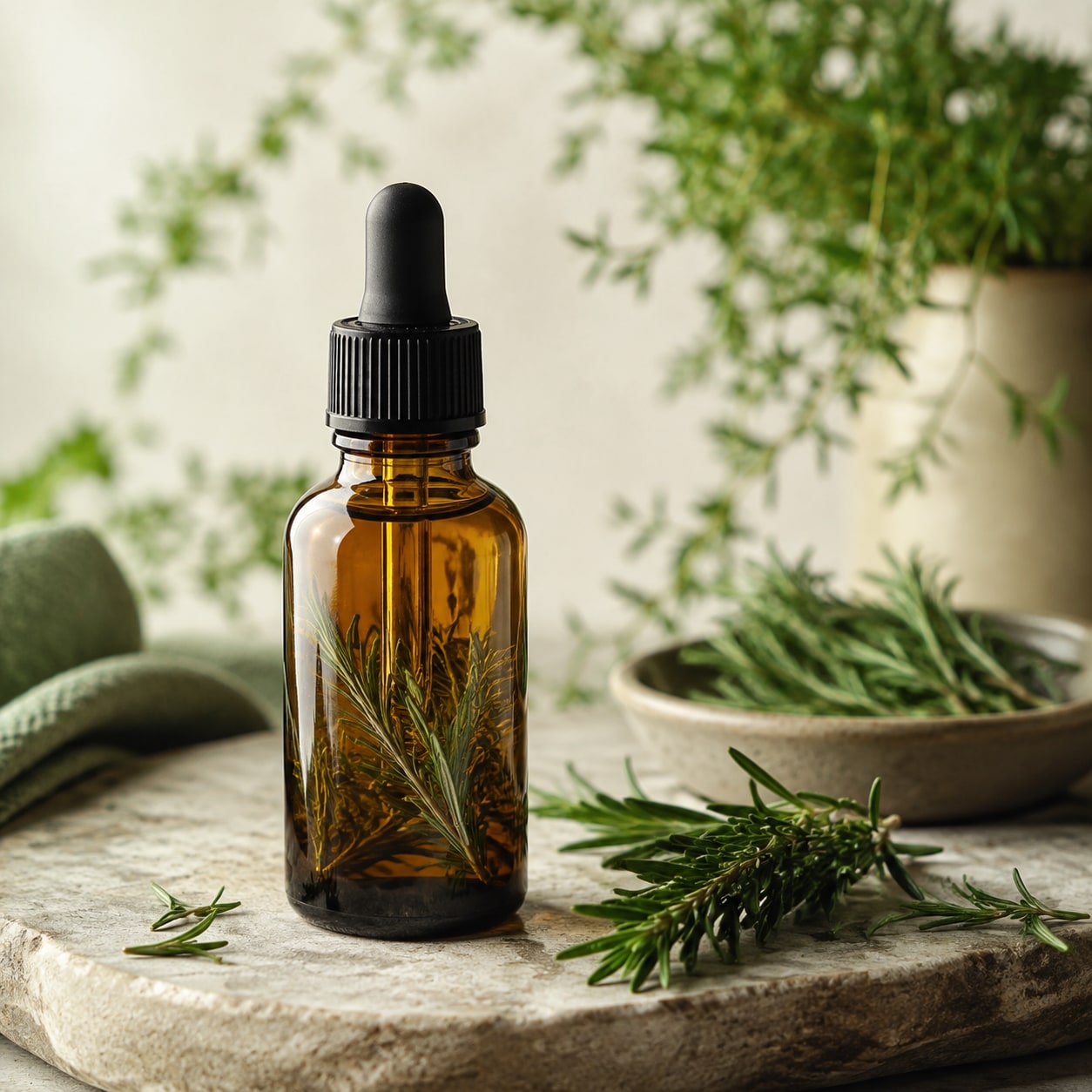
Learn how rosemary oil fits scalp-focused routines, gentle massage, and consistent hair care when diluted and used on schedule.
Rosemary oil has become one of the most searched hair ingredients because it sits at the intersection of scalp care and routine discipline. Many people discover it while looking for density support, shedding management, or a practical alternative to heavy daily oils. Used correctly, rosemary oil can become a valuable part of scalp-focused care. Used carelessly, especially at high concentrations, it can irritate and derail progress. The difference is method.
This guide focuses on practical, safe, and realistic rosemary use for everyday routines. It explains what rosemary oil is best at, what it cannot promise, and how to build a schedule that supports long-term consistency. If your goal is better scalp habits with measurable results over time, rosemary can be useful. If your goal is immediate dramatic growth, expectations should be reset before starting.
Unlike heavier cosmetic oils selected primarily for shaft softness, rosemary routines usually center on the scalp. That means technique matters: dilution, sectioning, gentle massage, and rinse behavior all influence outcomes. The aim is not to saturate hair from roots to ends with concentrated oil. The aim is to support scalp comfort and consistency while minimizing irritation and residue.
Most consumer rosemary products are blends, not pure essential oil, and that is often an advantage. Pre-diluted formulas simplify safety and improve spread. If you are blending at home, carrier choice changes feel significantly. Jojoba tends to stay light, almond adds cushion, and castor increases intensity and cling.
Because rosemary use is often goal-oriented, timing discipline matters. Sporadic heavy use rarely outperforms regular low-dose sessions. A modest schedule followed consistently for 8 to 12 weeks generally provides better insight than aggressive short-term experiments.
The first benefit many users report is scalp awareness and improved routine structure. When you commit to scheduled scalp massage, you often improve cleansing habits, tension management, and product moderation overall. That alone can improve hair environment.
A second benefit is perceived support for density goals over time. Research in this area is still evolving, and outcomes vary, but some users notice reduced shedding anxiety and better sense of control when scalp care becomes structured and repeatable.
A third benefit is sensory. Rosemary blends can feel refreshing and invigorating, making scalp sessions easier to maintain. Adherence is underrated in hair care; routines you enjoy are routines you repeat.
Concentration errors are the top problem. Essential rosemary oil applied neat can irritate sensitive skin. Always dilute if using pure essential oil. Patch test before full use, and stop immediately if burning or persistent redness appears.
Another issue is over-massaging. Vigorous friction does not speed results and can aggravate scalp or weaken fragile roots. Keep pressure light and session duration short. Two to five minutes is usually enough.
A third issue is poor cleansing follow-through. Rosemary routines involve oils, and oils must be removed effectively. If buildup accumulates, scalp comfort can decline. Plan cleanse days around treatment timing.
Part hair in sections. Apply diluted rosemary blend to scalp lines using a dropper. Massage gently with fingertips for 2 to 3 minutes. Leave for 30 minutes to overnight depending on tolerance, then cleanse.
Use rosemary blend before wash days only. This keeps treatment structured and simplifies removal. It is a good method for users with oily scalp or low tolerance for leave-in residue.
Mix rosemary with jojoba or grapeseed for less cling. This approach is helpful for fine hair or humid climates where dense residue becomes uncomfortable.
Our catalog includes rosemary-focused products for different routine styles:
Choose based on tolerance, convenience, and willingness to maintain dilution discipline.
Fine hair often benefits from lightweight carriers and pre-wash-only schedules. Curly or thick hair can tolerate slightly richer blends, but scalp comfort should still lead decisions. Dry and damaged hair may combine rosemary scalp sessions with separate shaft-conditioning oils to avoid overloading roots.
Color-treated hair users should keep massage gentle and avoid aggressive detangling on treatment days. Oily scalp profiles usually do best with shorter contact times and consistent cleansing after treatment.
Navigate to your specific routine page:
This builds tolerance gradually.
Consistency matters more than aggressive quantity.
This maintains scalp freshness while preserving treatment benefits.
Check whether the product is pure essential oil or pre-diluted blend. Pure options require carrier oils and careful measurement. Pre-diluted options improve convenience and reduce user error, but formulas vary in fragrance and feel. Packaging with dropper tips is useful for scalp section precision.
Review comments should be filtered for scalp comfort, not only scent preference. Users often overvalue fragrance and undervalue irritation feedback. Prioritize products with consistent reports of tolerability across repeated use.
Rosemary routines are easiest to evaluate when you track simple, repeatable markers instead of waiting for dramatic visual changes. Start with a baseline note: scalp comfort level, average shedding impression during wash days, and how often roots feel congested. Re-check these markers every four weeks. Gradual improvement in comfort and routine control is a meaningful sign, even before visible density changes appear.
Photographs can help, but keep conditions consistent: similar lighting, similar part placement, and similar styling. Inconsistent photo conditions can create false signals that lead to unnecessary routine changes.
If you see no improvement after 8 to 12 weeks, reassess concentration and consistency first. Many stalled routines involve skipped sessions or overly strong blends that trigger sensitivity and reduce adherence. Often, returning to lower concentration with strict scheduling works better than increasing intensity.
If irritation persists despite conservative use, discontinue and consult a professional. Rosemary should support routine confidence, not create ongoing discomfort. The right long-term plan is one your scalp accepts reliably.
Rosemary oil is best for users who want a scalp-focused ritual and are willing to follow a schedule. It is less about instant cosmetic shine and more about long-term routine support. With proper dilution, gentle massage, and consistent cleansing, rosemary can be a helpful part of density-oriented and scalp-care plans.
Approach rosemary like a protocol, not a trend. Keep concentration moderate, stay consistent for several months, and monitor comfort objectively. That method gives rosemary the best chance to deliver meaningful value in your hair routine.
Some evidence suggests rosemary may support scalp health and hair density routines, but results vary and require consistency.
Yes if concentration is too high or skin is sensitive, so dilution and patch testing are important.
Most users start with one to three scalp sessions per week and adjust based on comfort.
Pure essential oil should not be used directly; it should be diluted in a carrier oil.
Diluted blends can be left for several hours or overnight if tolerated, followed by cleansing.
It can fit oily scalp routines when lightly diluted and paired with thorough cleansing.
Yes, especially in scalp-focused routines that avoid harsh friction on fragile lengths.
Jojoba, grapeseed, and light almond oils are common carriers depending on texture preferences.
Oil + hair type guides
Each guide pairs this oil with a specific hair type for dosage, pros, and product picks.
Further reading
How-to routines and oil comparisons that complement this oil profile.
A practical dosing guide for fine, medium, and thick hair with measurement tables, oil-type ranges, and a quick decision checklist.

Learn how often to oil your hair by texture, wash schedule, and scalp response, with frequency tables and a practical decision checklist.
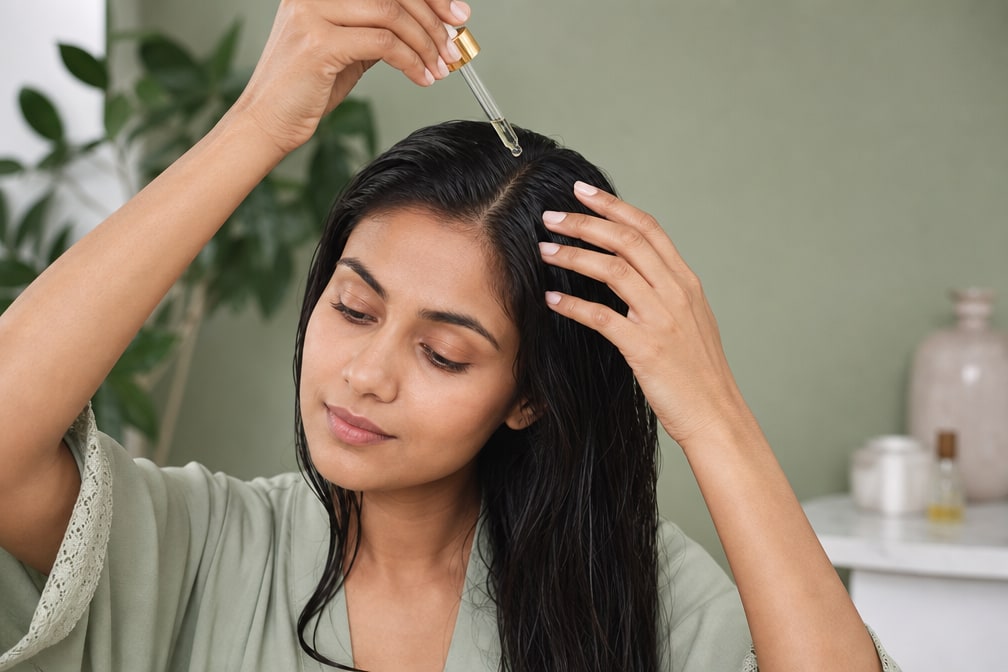
Apply hair oil with dose tables, timing checklist, and sectioning steps so fine, curly, and thick hair stay soft—not greasy.

Build a gentle scalp massage routine with the right oil blends, pressure techniques, session length, and post-treatment cleansing steps.
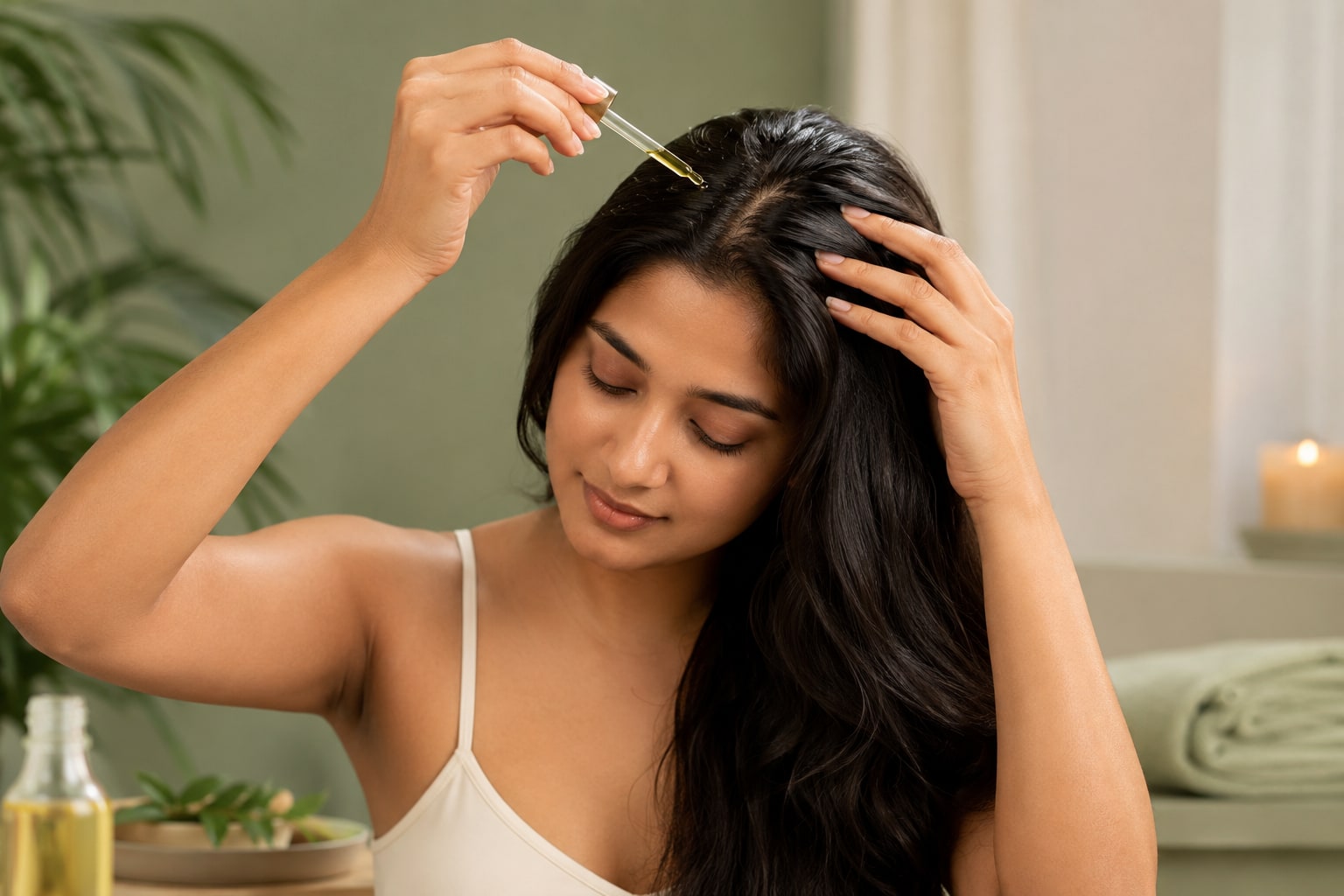
Overnight hair oiling: when it helps, dose by hair type, bedding prep, and morning wash cleanup that removes residue.

Compare pre-shampoo and leave-in oil methods with timing tables, choose-if checklists, and weekly templates for your wash schedule.
Concise routines, product updates, and new oil + hair type guides — matched to your hair goals.