Updated September 2026
Best Hair Oils for Curly Hair (2026)
Choose curly-hair oils by weight and porosity, with routines, product picks, and guides for coconut, jojoba, argan, and castor.
Curl patterns need oil that seals hydration without collapsing definition. The best oil for curly hair is the one whose weight matches your porosity and wash schedule — not the thickest bottle on the shelf. This hub gives you a decision table by weight and porosity, a short product shortlist, and direct paths into the coconut, jojoba, argan, and castor curly guides.
Oil works as a support layer over water-based leave-in and conditioner. When you match dose and timing, you usually get easier detangling, softer day-two curls, and less friction breakage. When you over-apply, curls look shiny but feel sticky and lose bounce by midday.
Choose oil by weight and porosity
Match oil weight to how quickly your curls drink product and how often you wash. High-porosity curls usually need richer seals after hydration; low-porosity curls usually need thinner oils and warmer application.
| Porosity / density | Prefer first | Use carefully | Skip as daily leave-in |
|---|---|---|---|
| Low porosity, fine–medium curls | Jojoba, grapeseed, light argan | Almond in 1–2 drop finishes | Thick castor coats, heavy coconut leave-in |
| Medium porosity, defined curls | Argan, jojoba, almond | Coconut as weekly pre-shampoo | Full-length castor every wash |
| High porosity / coily ends | Coconut pre-shampoo, argan seal, castor on ends | Tea tree or rosemary only diluted on scalp | Pure castor on roots between washes |
| Oily crown, dry curl ends | Jojoba or grapeseed on ends only | Argan halo touch-ups | Root oiling with coconut or castor |
If you are unsure of porosity, run a simple float test on a clean shed strand, then start with the lightest oil that still softens ends after one wash cycle.
Decision: which curly oil guide to open next
Open one detailed guide based on your primary goal for the next two weeks:
- Softness and pre-wash protection → best coconut oil for curly hair
- Lightweight daily seal without crunch → best jojoba oil for curly hair
- Shine and frizz control on damp curls → best argan oil for curly hair
- Dense end sealing between wash days → best castor oil for curly hair
Keep sister formats in their lane: humidity frizz serums belong on Hair Serums, and breakage-focused strength routines belong on Hair Strength when oil alone is not enough.
Top 5 products for curly hair
1) Mielle Rosemary Mint Scalp & Hair Oil
The rosemary-and-mint blend gives curly routines a scalp-focused option that feels refreshing without replacing your leave-in. Use along part lines in small amounts, then concentrate any remaining product on mids and ends.
2) Viva Naturals Organic Coconut Oil
Virgin coconut oil is a strong pre-shampoo choice for curl patterns that lose moisture during cleansing. Keep it off roots if your scalp runs oily, and melt a pea-sized amount between palms for even section-by-section coverage.
3) Molivera Organics Castor Oil
Pure castor oil from Molivera delivers dense sealing power for coily and curly ends. A few drops pressed into the last two inches can extend softness without saturating the full strand.
4) Sky Organics Castor Oil
Sky Organics offers cold-pressed castor suited to overnight pre-shampoo masks on the driest sections. Dilute with jojoba if pure castor feels too sticky.
5) PURA DOR Jojoba Oil
Jojoba spreads easily in one-to-three-drop doses and rarely collapses curl definition when kept to mids and ends.
Weekly usage framework
For curly routines, use oil as a seal after leave-in, then reserve richer pre-shampoo oiling for the driest wash cycle each week.
| Day type | Oil role | Starting dose |
|---|---|---|
| Wash day | Light seal after leave-in | 2–4 drops jojoba or argan on mids/ends |
| Refresh day | Flyaway polish only | 1 drop warmed, pressed on halo |
| Pre-shampoo | Softness + slip | 1–2 tsp coconut or almond on dry lengths |
| Overnight (optional) | End rescue | Castor diluted 1:1 with jojoba on ends only |
Section hair, warm oil between palms, and press into mids and ends before touching roots. On wash day, apply shampoo to damp or mostly dry oiled hair first, emulsify thoroughly, then rinse.
How to evaluate results after 14 days
- Detangling effort: Are knots and snags reducing?
- Surface feel: Flexible, or coated and sticky?
- Styling consistency: Are day-two results more predictable?
- Wash effort: Extra cleansing because of buildup?
If at least three checkpoints improve, keep the product and tune dose. If one or fewer improve, change timing or oil weight before replacing everything.
Best oils for curly hair by ingredient
- Best Castor Oil for Curly Hair
- Best Argan Oil for Curly Hair
- Best Coconut Oil for Curly Hair
- Best Jojoba Oil for Curly Hair
- Best Rosemary Oil for Curly Hair
- Best Tea Tree Oil for Curly Hair
- Best Almond Oil for Curly Hair
- Best Grapeseed Oil for Curly Hair
Final take
Pick weight from the porosity table, open one matrix guide for your top goal, and optimize by placement and quantity before switching bottles.
From our catalog
Top products for this hair type
Compare price, specs, and positioning before opening a detailed recommendation guide.
| Product | Buy | |||||
|---|---|---|---|---|---|---|
 Mielle Rosemary Mint Scalp & Hair Strengthening Oil Mielle Organics | $10.49 | 4.7/5 | 2 fl oz | Infused blend | Herbal mint | Amazon ↗ |
 Viva Naturals Organic Coconut Oil Viva Naturals | $16.99 | 4.7/5 | 16 fl oz | Cold-pressed | Natural coconut | Amazon ↗ |
 Molivera Organics Castor Oil Molivera Organics | $12.99 | 4.6/5 | 16 fl oz | Cold-pressed | Unscented | Amazon ↗ |
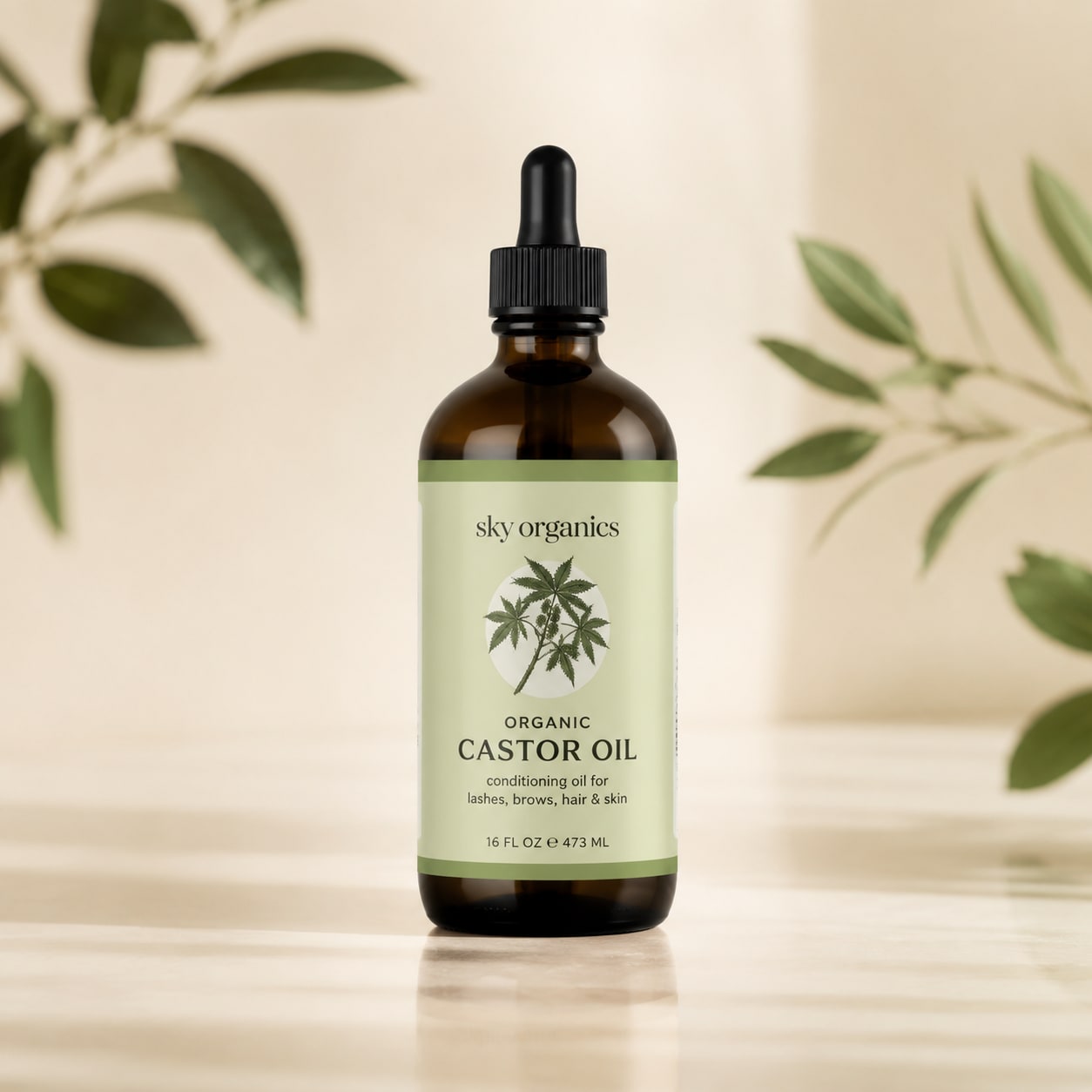 Sky Organics Organic Castor Oil Sky Organics | $14.95 | 4.6/5 | 16 fl oz | Cold-pressed | Natural | Amazon ↗ |
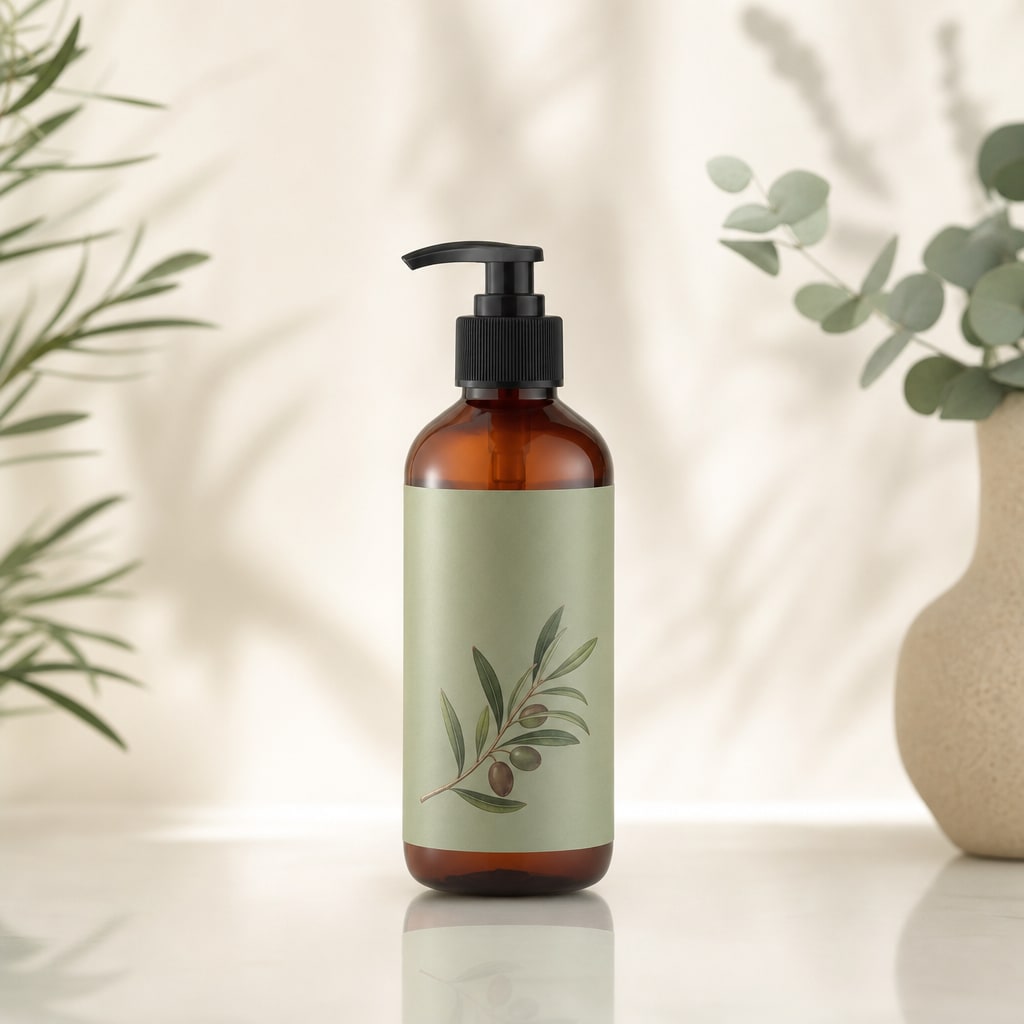 PURA DOR Jojoba Oil PURA DOR | $13.99 | 4.5/5 | 4 fl oz | Cold-pressed | Unscented | Amazon ↗ |
Frequently Asked Questions
What is the best oil for curly hair?
Most curly routines start with jojoba or argan for daily seal, coconut for pre-shampoo softness, and castor for dry ends only. Match oil weight to porosity rather than picking one universal winner.
Which oil is best for low-porosity curly hair?
Low-porosity curls usually prefer lighter oils such as jojoba, grapeseed, or a thin argan finish. Warm the oil, keep doses tiny, and favor pre-shampoo over heavy leave-in coats.
Which oil is best for high-porosity curly hair?
High-porosity curls often need richer seals after water-based leave-in. Coconut pre-shampoo plus argan or castor on ends helps reduce mid-week dryness.
Can I use coconut oil on curly hair every day?
Daily coconut leave-in often feels stiff or coated on protein-sensitive curls. Use coconut mainly as a weekly pre-shampoo, then seal with a lighter oil on wash day.
Should curly hair oil go on wet or dry hair?
Seal on damp hair after leave-in for definition. Use dry micro-doses only on flyaways. Richer oils belong in pre-shampoo windows before your next wash.
How much oil should curly hair use?
Start with two to four drops of a light oil on damp mids and ends for shoulder-length curls. Add castor only to the last two inches if ends still feel rough after drying.
Oil + hair type guides
Best oils for Curly Hair
Each guide pairs this hair profile with a specific oil for dosage, pros, and product picks.
Best oils for Curly Hair
Get weekly oil recommendations
Concise routines, product updates, and new oil + hair type guides — matched to your hair goals.