Updated September 2026
Best Hair Oils for Thick Hair (2026 Guide)
Find high-slip hair oils for thick hair with strong sealing power, sectioning tips, wash-day strategy, and guides for every major oil type.
Hair oils can absolutely improve thick hair routines, but only when product weight, timing, and wash frequency are aligned. This guide is built to help you avoid trial-and-error fatigue by giving you a practical system that starts with routine fit before trend claims. Thick hair often benefits from stronger sealing power, more glide during sectioning, and longer-lasting softness between washes. If you are trying to fix three issues at once, narrow your first two weeks to one objective: either improve softness, reduce frizz, or make detangling easier. Clear priorities make product decisions faster and prevent over-layering.
The biggest mistake people make with thick hair is treating oil as a standalone cure. Oil works best as a support layer over hydration and conditioning, not as a replacement for either one. When you pair the right oil with consistent cleansing and gentle handling, you usually see better shine, less friction breakage, and more predictable styling over time. That consistency matters more than dramatic day-one results.
This page combines three things in one place: a short list of high-fit products, a repeatable usage framework, and direct links to every oil-specific guide for thick hair. Use it as your starting point, then open the detailed comparisons when you need deeper product picks by oil type.
Choose oil weight for thick hair
Thick hair usually needs sectioned application so inner layers get product, not only the surface.
| Goal | First oil | Starting approach | Guide |
|---|---|---|---|
| Deep pre-shampoo | Coconut | 1–2 tsp sectioned | Coconut for thick hair |
| Soft polish | Argan | 3–6 drops | Argan for thick hair |
| Dense end seal | Castor | Ends / overnight | Castor for thick hair |
| Lighter daily option | Jojoba | 3–5 drops | Jojoba for thick hair |
Compare with the curly hair hub if your thick hair is also curly, and use overnight oil treatment for longer contact windows.
What thick hair usually needs from oil
Thick hair often benefits from stronger sealing power, more glide during sectioning, and longer-lasting softness between washes. In practice, the right oil should make combing and styling feel easier within one to two wash cycles, not harder. If your hair feels coated, sticky, or flat after each use, the issue is usually quantity or timing rather than total routine failure.
A good oil strategy also protects your schedule. Products that force long cleanup every wash day often get abandoned, even when they perform well cosmetically. Prioritize options you can sustain for at least six to eight weeks, because reliability drives long-term results in softness and breakage control.
Common mistakes include applying too little oil on dense ends, skipping sectioning, and judging results after one rushed application. These patterns create avoidable setbacks and make it difficult to interpret whether the product is helping or hurting. Keeping notes for two weeks gives you enough evidence to adjust intelligently instead of switching products too early.
Top 5 products for thick hair
1) Viva Naturals Organic Coconut Oil
The large-jar format suits thick hair that needs generous pre-shampoo coverage across multiple sections. Virgin coconut penetrates better than many surface oils during wash-day stress, which dense strands experience more intensely. Section into four to six parts, apply melted oil from mid-length down, and allow 45 to 90 minutes before cleansing.
2) Kate Blanc Castor Oil
Kate Blanc’s dropper top helps thick-hair users place castor precisely on the driest perimeter and tips without over-saturating the full length. Castor’s cling keeps ends flexible through protective styles and low-manipulation weeks. Start with five to eight drops total across all sections, then increase only where hair still feels rough after drying.
3) Garden of Life Coconut Oil
Garden of Life’s organic virgin coconut offers consistent texture batch to batch, which matters when you oil large sections weekly. It works well as an overnight pre-shampoo on thick, high-porosity lengths that dry slowly between washes. Pair with a moisture-rich conditioner on wash day to balance the occlusive pre-treatment.
4) Tropical Holistic Castor Oil
The larger bottle size from Tropical Holistic makes sense for thick hair routines that consume oil faster across long or dense strands. Pure castor adds lasting seal on coarser textures that lightweight oils cannot sustain through day three. Use as a targeted end treatment rather than a full-head daily layer to keep wash effort manageable.
5) Molivera Organics Castor Oil
Molivera’s high-viscosity castor is a dependable sealant when thick hair loses softness at the oldest sections first. Press a small amount into braided or twisted ends during protective styling to maintain flexibility. For pre-shampoo use, emulsify shampoo on dry oiled hair first to avoid the double-rinse frustration castor sometimes demands.
Weekly usage framework
For thick hair, section thoroughly, use moderate product volume, and pair oils with moisture-rich conditioning steps.
If you are uncertain about dosage, start lower than your instinct says. Most oil overload problems happen because users add more product before evaluating how the first layer performs after drying. A better sequence is: apply lightly, wait, assess movement and shine, then add a tiny amount only where needed.
Technique matters as much as ingredient choice. Section hair, warm oil between palms, and press into mids and ends before touching roots. This reduces random placement and improves consistency from one application to the next. It also helps you map exactly which zone benefits from which product.
On wash day, removal strategy is part of success. Apply shampoo to damp or mostly dry oiled hair first, emulsify thoroughly, then rinse. Repeat only if necessary. This prevents the common cycle where partial cleanup leaves residue that gets misread as product incompatibility.
How to evaluate results after 14 days
Use four checkpoints:
- Detangling effort: Are knots and snags reducing during wash day and refreshes?
- Surface feel: Do strands feel flexible, or coated and sticky?
- Styling consistency: Are day-two and day-three results more predictable?
- Wash effort: Are you needing extra cleansing because of buildup?
If at least three checkpoints improve, keep the product and tune dose. If one or fewer improve, change either timing or oil weight before replacing everything.
Seasonal and lifestyle adjustments
Your oil routine should move with weather, activity level, and styling habits. In humid seasons, many people do better with lighter doses and shorter contact windows because both scalp and lengths hold residue more easily. In dry or cold weather, increasing seal frequency on ends can prevent the brittle feel that appears between wash days. If you train often or sweat heavily, prioritize pre-shampoo use and keep leave-in oil amounts conservative so cleanup stays predictable.
Heat styling frequency also changes oil strategy. If you blow-dry or diffuse often, use oil in a layered sequence: hydration product first, then measured oil for friction reduction, then heat protectant if your routine uses one. This is safer than using large oil volume as a replacement for heat protection. Oils can support softness and glide, but they should not be asked to solve every form of styling stress.
Protective styling weeks need a different approach from loose-hair weeks. When hair is braided, twisted, or pinned, focus on targeted end care and occasional scalp comfort support rather than daily full-length coating. When styles are worn loose, surface frizz and touch-up needs increase, so micro-dosing on exposed sections becomes more useful.
30-day troubleshooting playbook
When outcomes are inconsistent, avoid changing everything at once. Use this troubleshooting sequence:
- Week 1: Keep the same oil and reduce quantity by 30 to 50 percent.
- Week 2: Keep quantity steady and move timing (for example, from post-wash to pre-shampoo).
- Week 3: Keep timing and quantity, then adjust placement (roots versus mids/ends).
- Week 4: Only now test a different oil family if checkpoints are still poor.
This process isolates variables and prevents false conclusions. Many “bad product” experiences are actually method mismatches. By changing one lever at a time, you can identify whether the real issue is weight, contact time, or distribution.
If scalp comfort drops, prioritize scalp health over cosmetic finish. Pause heavy root application, simplify to gentle cleansing, and reintroduce oil gradually with diluted or lighter options. If breakage stays high, review handling first: rough detangling and friction from towels or sleep surfaces can outweigh ingredient choices.
Smart buying checklist for thick hair
Before buying, evaluate fit through five filters:
- Dose control: Does the bottle help you use small, repeatable amounts?
- Texture tolerance: Can your routine handle this oil’s weight and cleanup?
- Ingredient clarity: Is the blend transparent enough to predict behavior?
- Schedule compatibility: Can you realistically maintain the required wash effort?
- Cost per month: Will this still be practical after the first bottle?
Expensive oils are not automatically better, and low-cost oils are not automatically poor. What matters is consistency: the best product is the one that performs well at a dose and cadence you can maintain without frustration.
Best oils for thick hair by ingredient
- Best Castor Oil for Thick Hair
- Best Argan Oil for Thick Hair
- Best Coconut Oil for Thick Hair
- Best Jojoba Oil for Thick Hair
- Best Rosemary Oil for Thick Hair
- Best Tea Tree Oil for Thick Hair
- Best Almond Oil for Thick Hair
- Best Grapeseed Oil for Thick Hair
Final take
The best oil routine for thick hair is not the one with the most steps, but the one you can execute cleanly every week. Keep your system simple, track outcomes, and optimize by placement and quantity. With that approach, oils become reliable maintenance tools rather than guesswork purchases.
From our catalog
Top products for this hair type
Compare price, specs, and positioning before opening a detailed recommendation guide.
| Product | Buy | |||||
|---|---|---|---|---|---|---|
 Viva Naturals Organic Coconut Oil Viva Naturals | $16.99 | 4.7/5 | 16 fl oz | Cold-pressed | Natural coconut | Amazon ↗ |
 Molivera Organics Castor Oil Molivera Organics | $12.99 | 4.6/5 | 16 fl oz | Cold-pressed | Unscented | Amazon ↗ |
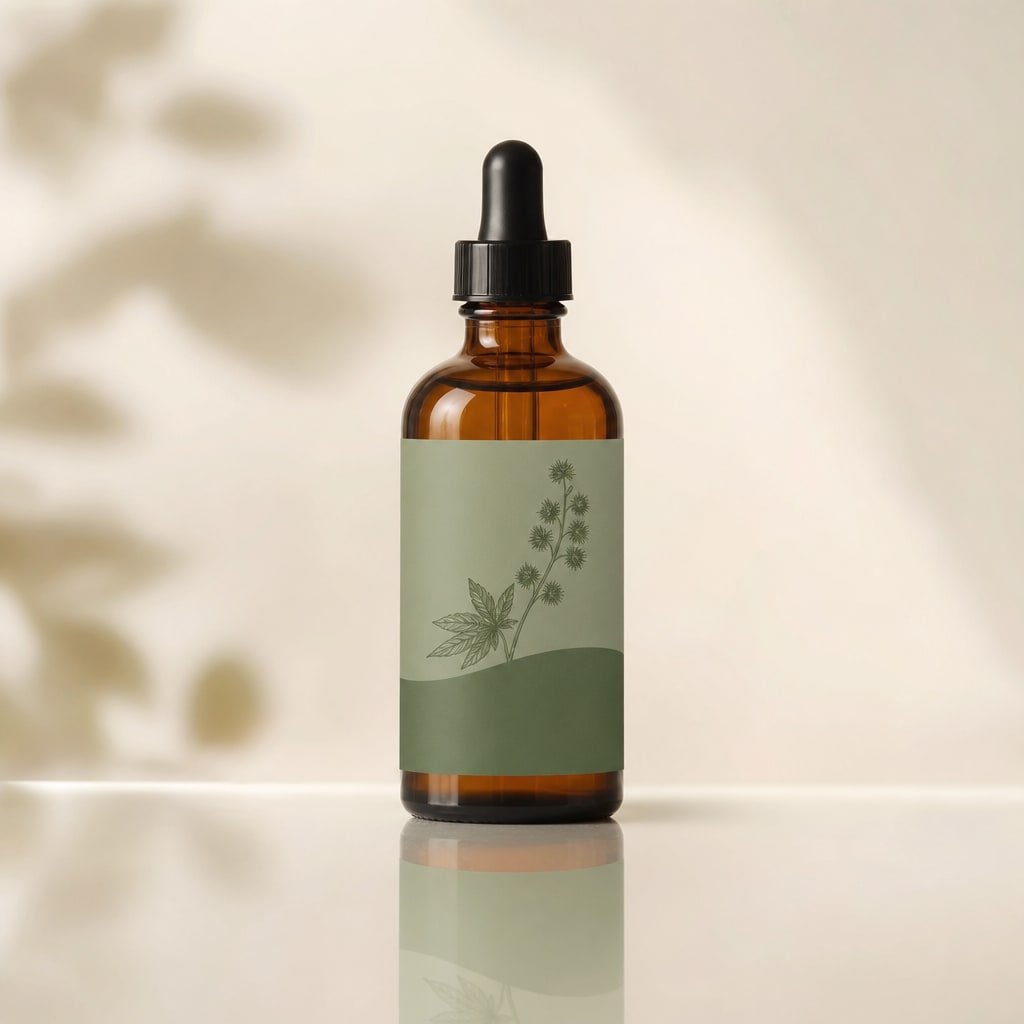 Kate Blanc Castor Oil Kate Blanc Cosmetics | $9.99 | 4.5/5 | 4 fl oz | Cold-pressed | Earthy | Amazon ↗ |
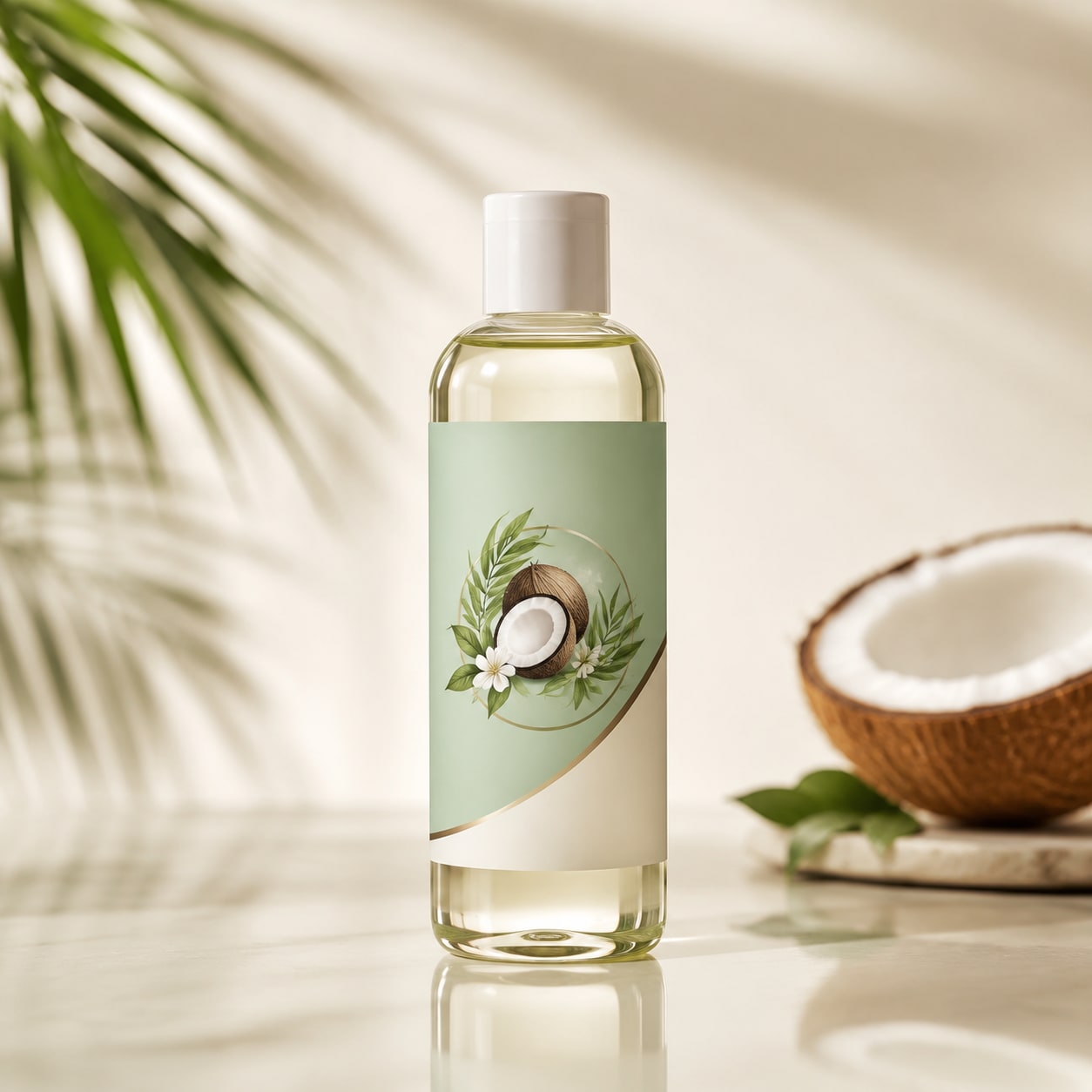 Garden of Life Organic Coconut Oil Garden of Life | $13.25 | 4.4/5 | 16 fl oz | Expeller-pressed | Natural coconut | Amazon ↗ |
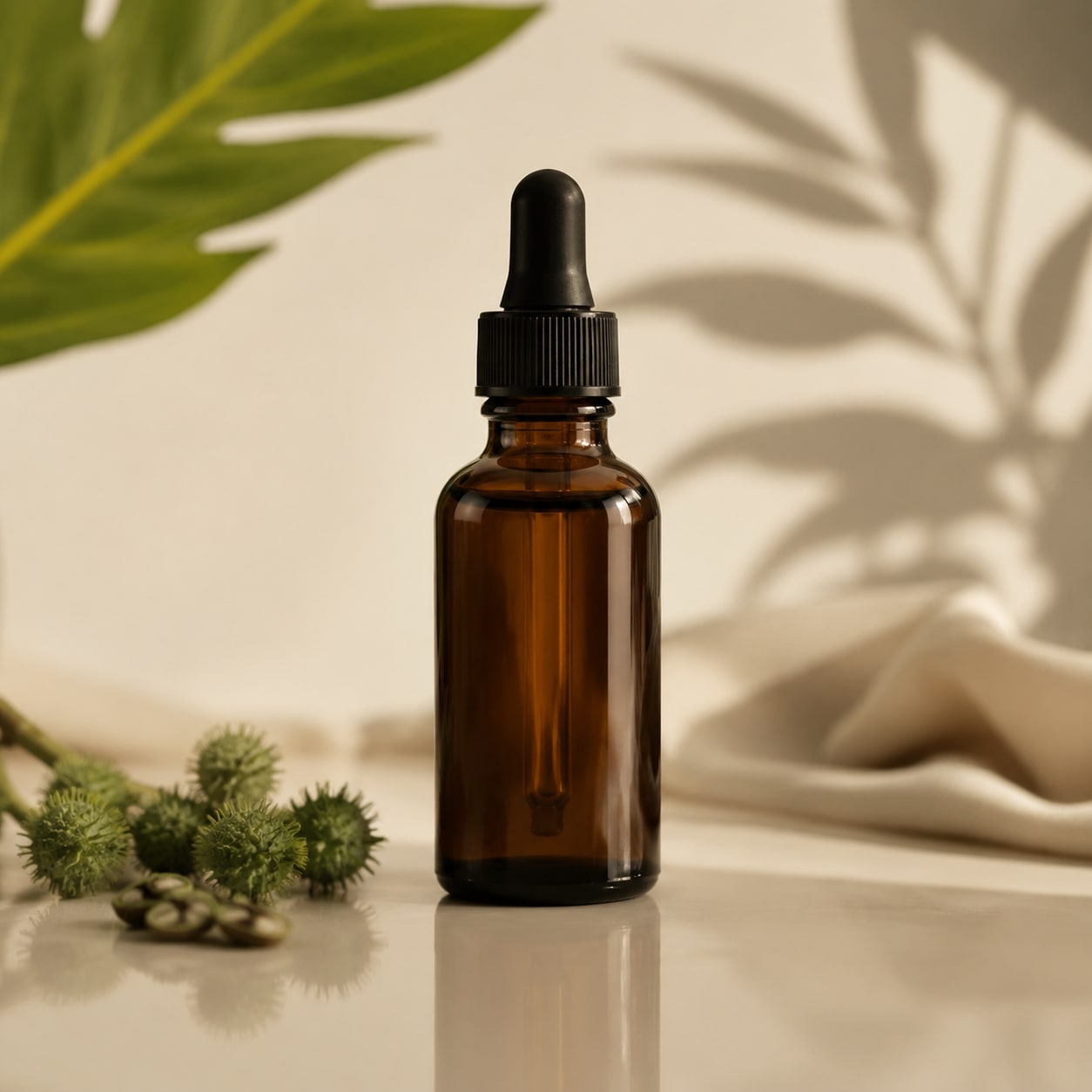 Tropical Holistic Jamaican Black Castor Oil Tropical Holistic | $13.75 | 4.3/5 | 8 fl oz | Roasted and pressed | Smoky | Amazon ↗ |
Frequently Asked Questions
What is the best oil for thick hair?
Coconut and castor shine for sectioned pre-shampoo or end sealing; argan and jojoba work for lighter leave-in polish on thick mid-lengths.
How much oil should thick hair use?
Pre-shampoo often needs one to two teaspoons sectioned through lengths. Leave-in seals may need three to six drops depending on density.
Why do only the top layers look soft?
Thick hair needs sectioning. Apply in layers so inner sections get product, not only the surface.
Can thick hair use oil every day?
Light leave-in doses on ends can be frequent. Rich oils are usually one to three times weekly as pre-shampoo.
Should thick hair oil overnight?
Overnight end treatments can help dry thick hair if you protect bedding and shampoo thoroughly next morning.
Which oil if thick hair is also curly?
Start with the curly decision table and coconut or jojoba guides, then add castor on the driest ends only.
Oil + hair type guides
Best oils for Thick Hair
Each guide pairs this hair profile with a specific oil for dosage, pros, and product picks.
Best oils for Thick Hair
Get weekly oil recommendations
Concise routines, product updates, and new oil + hair type guides — matched to your hair goals.