
Updated July 2026
Best Grapeseed Oil for Dry & Damaged Hair (2026)
Best grapeseed oil for dry and damaged hair: ranked picks, routines, dosage tips, and trade-offs for friction reduction.
Compare options
Side-by-side comparison
Sort by rating, price, or specs to find the best fit for dry & damaged hair.

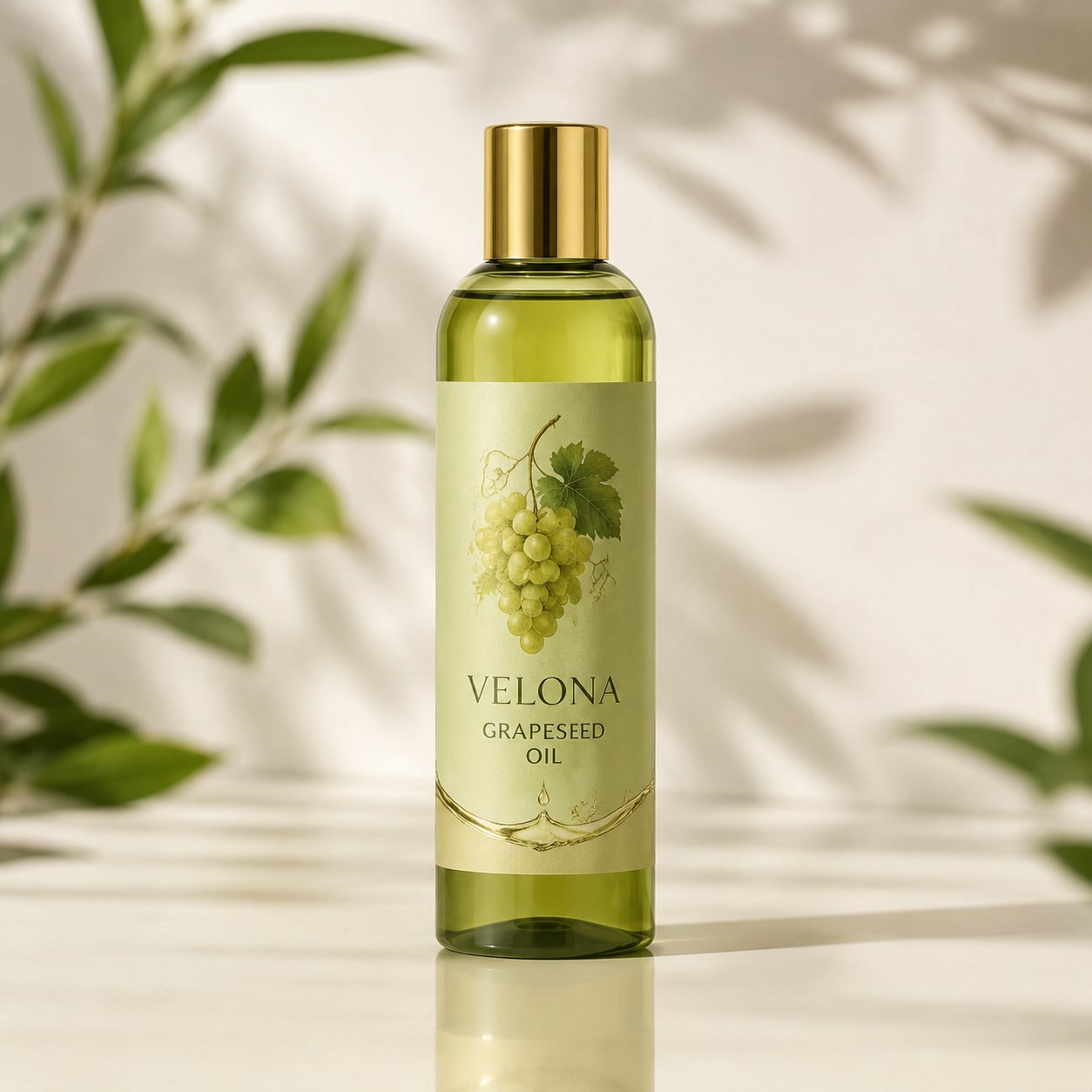
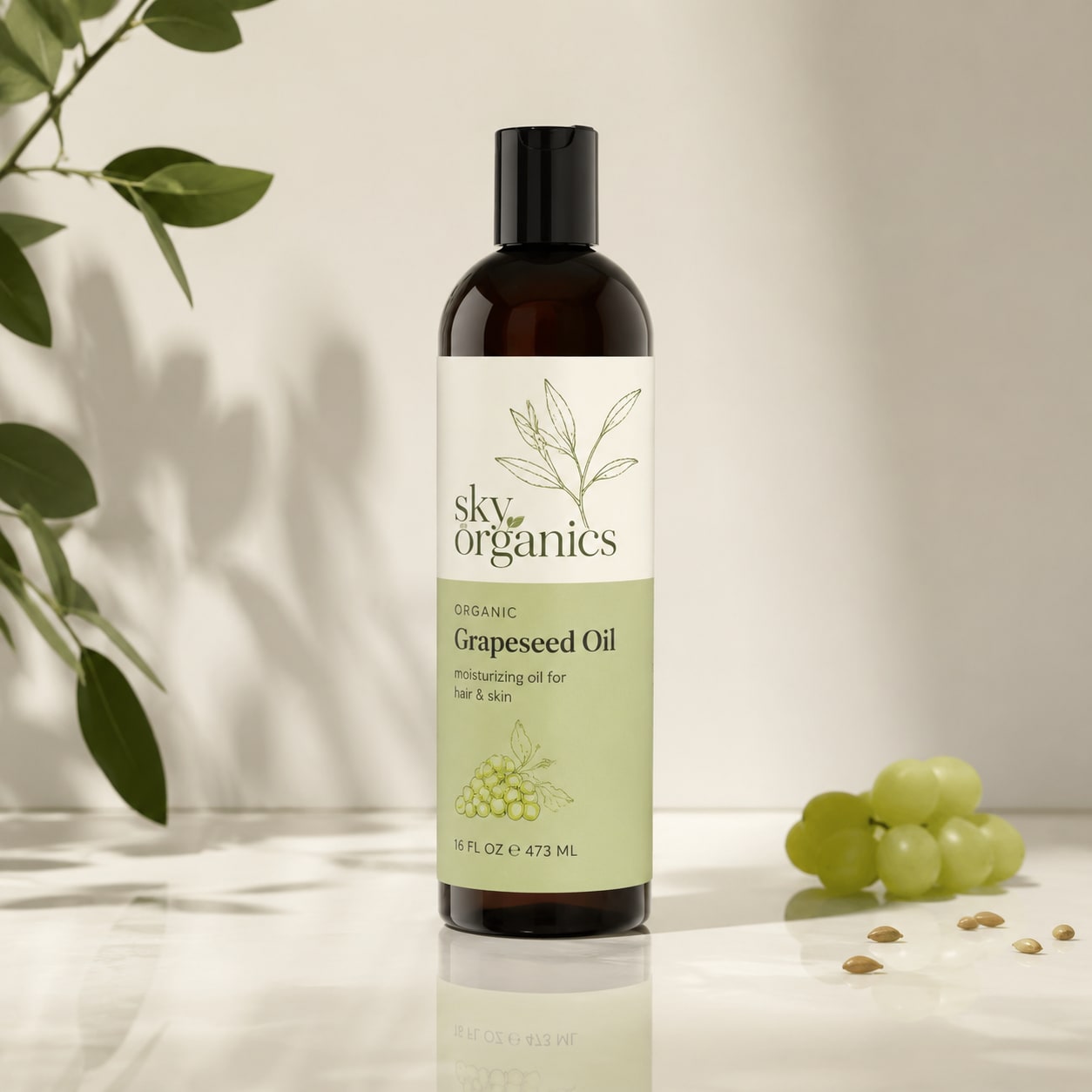
Grapeseed oil can be an excellent match for dry and damaged hair when your routine targets friction reduction, moisture retention on porous ends, and easier detangling. The main challenge with dry and damaged hair is high porosity drinks product quickly but still feels rough if hydration is skipped—not a lack of “strong enough” product. We ranked the options above by how realistically they deliver fine-hair-friendly finish, oily-scalp-adjacent routines, and low-residue sealing in everyday use, not by marketing claims about overnight transformation.
Why grapeseed oil works for dry and damaged hair
Grapeseed oil linoleic acid and a thin viscosity make it one of the easiest oils to spread in micro-doses. For dry and damaged hair, that translates to better handling during combing, fewer rough patches between wash days, and more predictable styling—if you respect the trade-off: may not last long enough on very dry, high-porosity lengths without reapplication or layering. Grapeseed oil is a very light oil, which aligns well with dry and damaged hair when you match placement and frequency to how quickly your hair shows residue.
Use always after leave-in or water-based hydration; concentrate on most porous zones. Most people with dry and damaged hair do best with two to three targeted uses weekly; overnight pre-shampoo optional. If your hair feels coated or limp after two cycles, reduce quantity before switching products.
How we ranked these picks
Each product was scored for:
- Texture fit — Does the formula feel compatible with dry and damaged hair without forcing extra wash days?
- Dose control — Can you apply 1–4 drops on damp or dry ends; excellent for flyaway control on fine strands without over-pouring?
- Wash-day recovery — pair with protein-moisture balance; oils seal—they do not replace conditioner
- Review consistency — Repeat themes in user feedback about slip, scent, and buildup—not one-week rating spikes.
Products that looked good in photos but needed oversized amounts or left stubborn residue ranked lower, even with high star averages.
Application routine for dry and damaged hair
Pre-shampoo (optional): Section dry hair. Apply a measured amount of grapeseed oil to mid-lengths and ends. Leave 30–90 minutes (or overnight in a bonnet for very dry lengths only). Shampoo with emulsification-first technique: product on damp hair, lather, rinse, repeat if needed.
Post-wash seal: On damp hair after leave-in conditioner, warm a small dose between palms and press into always after leave-in or water-based hydration; concentrate on most porous zones. Do not rake aggressively—pressing reduces friction and prevents patchy buildup.
Refresh days: Use only the residual amount on your palms for flyaways. If dry and damaged hair looks shiny but feels sticky, skip refresh oil and mist with water first.
Dosage quick reference
| Hair zone | Starting amount | Adjust if… |
|---|---|---|
| Ends | 1–4 drops on damp or dry ends | Still rough after drying → add one drop, not a palmful |
| Mid-lengths | Half of end amount | Coated feel → reduce by 30% next session |
| Roots / scalp | Only if your profile tolerates it | Itch or flatness → stop root application for two weeks |
Track results across two full wash cycles before changing products. Single-day shine is not enough data.
Choosing between these products
- Pick the lightest effective texture if you are new to grapeseed oil on dry and damaged hair.
- Prefer dropper or small-aperture bottles if you tend to over-apply.
- If scent lingers and bothers you, choose an unscented or lightly scented option—even a good oil fails if you won’t use it consistently.
- Match price to monthly usage, not bottle size alone. A large bottle only saves money if you finish it before your routine changes.
When to try a different oil
Switch oils (or reduce frequency) if after two weeks you see:
- Persistent flat roots or greasy crown despite lower doses
- Increased breakage from rough detangling—often a hydration gap, not only oil choice
- Scalp itch, flaking, or redness after scalp application
For dry and damaged hair, common pivots include lighter options like grapeseed or jojoba if grapeseed oil feels heavy, or richer pre-shampoo cycles with coconut or castor if moisture vanishes too quickly—but change one variable at a time.
Troubleshooting checklist
- Coated feel: Cut dose by 30–50% and move application to damp, not dry, hair.
- No visible benefit: Confirm you applied on hydrated hair; oil seals moisture—it does not replace it.
- Buildup: pair with protein-moisture balance; oils seal—they do not replace conditioner
- Inconsistent results: Keep a two-week log of dose, placement, and wash frequency before abandoning the product.
The picks above are starting points for dry and damaged hair, not permanent rules. Your climate, styling tools, and wash schedule matter as much as the label on the bottle.
Frequently Asked Questions
How often should I use grapeseed oil on dry and damaged hair?
Most people with dry and damaged hair do best with two to three targeted uses weekly; overnight pre-shampoo optional. Adjust after two wash cycles based on buildup, scalp comfort, and how ends feel on day two.
Should grapeseed oil go on scalp or lengths for dry and damaged hair?
For dry and damaged hair, always after leave-in or water-based hydration; concentrate on most porous zones. Start with lengths; add scalp only if your scalp tolerates oils and you use a light, diluted dose.
Can I mix grapeseed oil with leave-in conditioner on dry and damaged hair?
Yes. Mixing a few drops into leave-in on damp hair often improves spread and reduces the risk of may not last long enough on very dry, high-porosity lengths without reapplication or layering.
What if grapeseed oil makes my dry and damaged hair feel greasy?
Reduce dose first, then shift timing to pre-shampoo only. Pair with protein-moisture balance; oils seal—they do not replace conditioner Greasy feel usually means quantity or placement—not necessarily a bad product match.
Is grapeseed oil safe for color-treated or damaged hair?
Used on mid-lengths and ends in small amounts, grapeseed oil can support slip and moisture retention. Avoid heavy root application that forces extra washing, which can fade tone faster.
Where to go next
Related guides
Keep exploring
A couple of related pairings — one other oil for this hair profile, and the same oil on one other hair type.
Another oil for dry & damaged hair
Grapeseed Oil on another hair type
Get weekly oil recommendations
Concise routines, product updates, and new oil + hair type guides — matched to your hair goals.