Complete buying guide · Updated 2026
Best Hair Oils by Type (2026 Guide)
Your central map for choosing a hair oil with confidence — organized by oil profile and hair type so you can move from browsing to a practical routine without trial-and-error fatigue.
48
Oil + hair type guides
8
Core oil profiles
6
Hair type contexts
Start with the 8-oil fit table below, then jump to a hair hub — curly, oily scalp, or thick hair — or open a top matrix guide such as coconut for thick hair or jojoba for fine hair. Methodology lives further down.
8 hair oils at a glance: weight and best fit
The fastest way to choose is weight + goal. Light oils protect volume; richer oils seal dry lengths. Use this table first, then open the matching oil or hair-type guide.
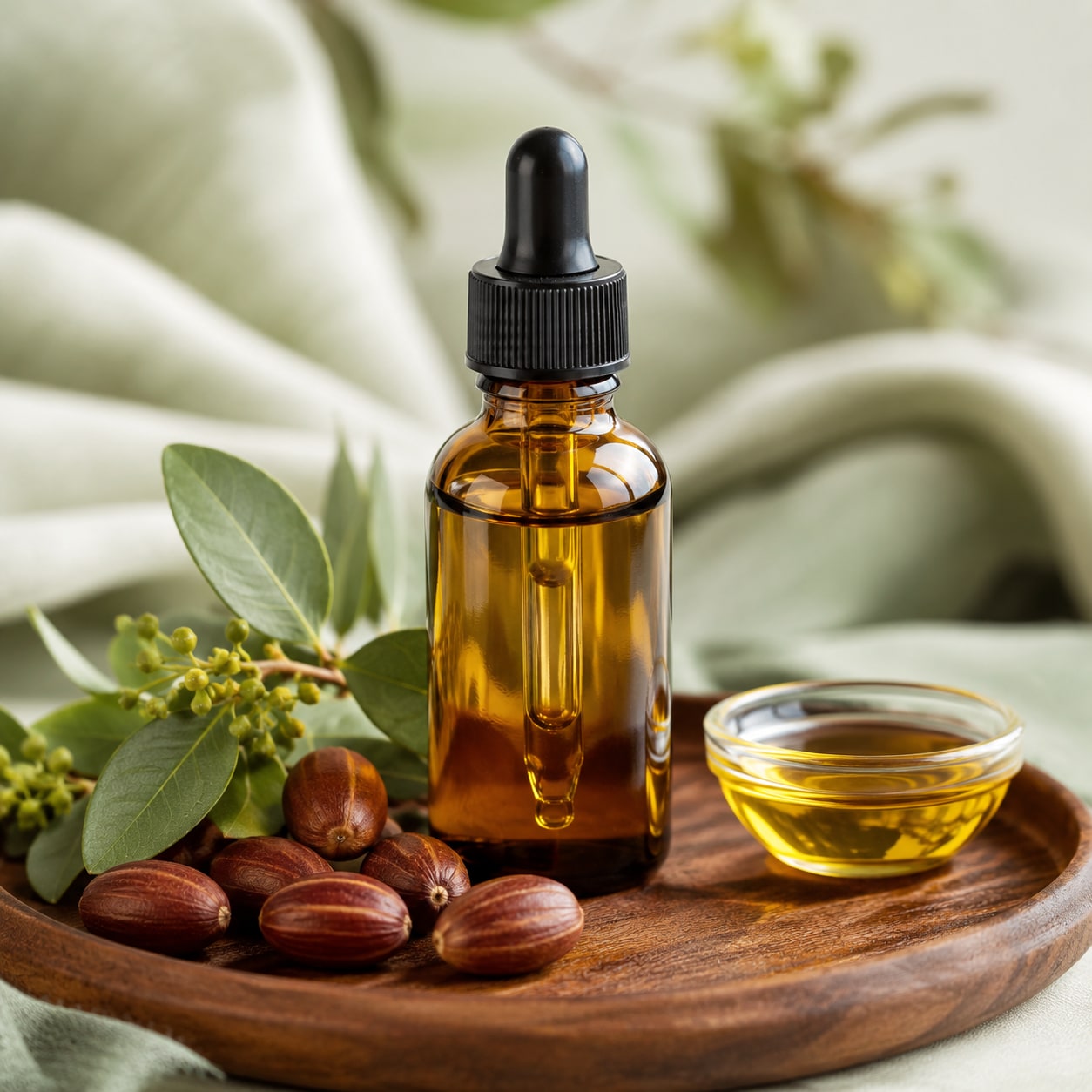
| Oil | Weight | Best fit | Use carefully when… |
|---|---|---|---|
| Jojoba | Light | Fine hair, oily scalp, daily micro-seals | Ends are extremely porous and need a richer top seal |
| Argan | Light–medium | Frizz control, shine, curly/color-treated finish | You over-pour on fine roots |
| Grapeseed | Very light | Volume-sensitive hair, humid weather, oily roots | Coarse dry ends need longer seal time |
| Almond | Light–medium | Soft slip on medium hair and dry ends | Nut allergy; fine hair without strict dosing |
| Coconut | Medium–heavy | Thick hair pre-shampoo, high-porosity lengths | Protein-sensitive or low-porosity leave-in use |
| Castor | Heavy | Dry ends, edges, protective styles | Daily full-length leave-in on fine hair |
| Rosemary blends | Varies (usually light carrier) | Scalp massage routines before wash day | Sensitive scalp without dilution or patch test |
| Tea tree blends | Varies (usually light carrier) | Scalp freshness, buildup-prone oily scalp | Undiluted essential oil on bare scalp |
3-step path from this pillar
- Pick your hair context: curly, fine, thick, dry/damaged, color-treated, or oily scalp.
- Open one high-fit matrix page — for example coconut for thick hair, jojoba for fine hair, or jojoba for curly hair.
- Test one dose variable for two wash cycles using how to apply hair oil.
How to use this guide
Hair oils are not interchangeable. A formula that makes coarse curls feel soft can overwhelm fine hair. A scalp-focused tea tree blend can calm itch for one person and feel too clarifying for another. That is why this guide organizes recommendations by hair type and oil rather than a single ranked list. We start with your hair context, then map oils that are most likely to work.
You will find three levels of decision support on this page. First, we explain what each major oil family does best and where each one can disappoint. Second, we link to 48 oil + hair type guides that pair every core oil with six common hair profiles: curly hair, fine hair, thick hair, dry and damaged hair, color-treated hair, and oily scalp. Third, we provide a top product comparison table sourced from our catalog so you can evaluate real options quickly.
If you are new to oils, start by identifying your primary goal: moisture retention, breakage support, scalp comfort, shine, frizz control, or lightweight softness. Then identify your practical constraint: wash frequency, climate, fragrance tolerance, and how much residue your hair can handle between cleanses. Those two factors usually narrow your best options faster than ingredient hype.
Keep in mind that oils do not “repair” hair in a medical sense. They improve slip, seal in hydration, reduce friction, and protect against routine stress. Healthy hair outcomes come from consistency: gentle cleansing, measured product use, realistic expectations, and periodic adjustment as your weather, styling habits, and scalp condition change.
This guide is written in clear, practical language for everyday users. We cite ingredient behavior, product form factors, and user-fit principles rather than making unsupported promises. When evidence is mixed, we tell you directly and suggest a low-risk way to test results on your own routine.
All combinations
Oil + hair type guides by oil
Each section includes six hair-type-specific guides. Together these links cover all 48 oil and hair-type combinations.
Castor Oil recommendations by hair type
Argan Oil recommendations by hair type
Coconut Oil recommendations by hair type
Jojoba Oil recommendations by hair type
Rosemary Oil recommendations by hair type
Tea Tree Oil recommendations by hair type
Almond Oil recommendations by hair type
Grapeseed Oil recommendations by hair type
From our catalog
Top 10 overall products
Ranked by rating depth and consistency. Compare price, core specs, and positioning before opening any individual guide.
| Product | Buy | |||||
|---|---|---|---|---|---|---|
 Mielle Rosemary Mint Scalp & Hair Strengthening Oil Mielle Organics | $10.49 | 4.7/5 | 2 fl oz | Infused blend | Herbal mint | Amazon ↗ |
 Viva Naturals Organic Coconut Oil Viva Naturals | $16.99 | 4.7/5 | 16 fl oz | Cold-pressed | Natural coconut | Amazon ↗ |
 PURA DOR Organic Argan Oil PURA DOR | $15.99 | 4.7/5 | 4 fl oz | Cold-pressed | Unscented | Amazon ↗ |
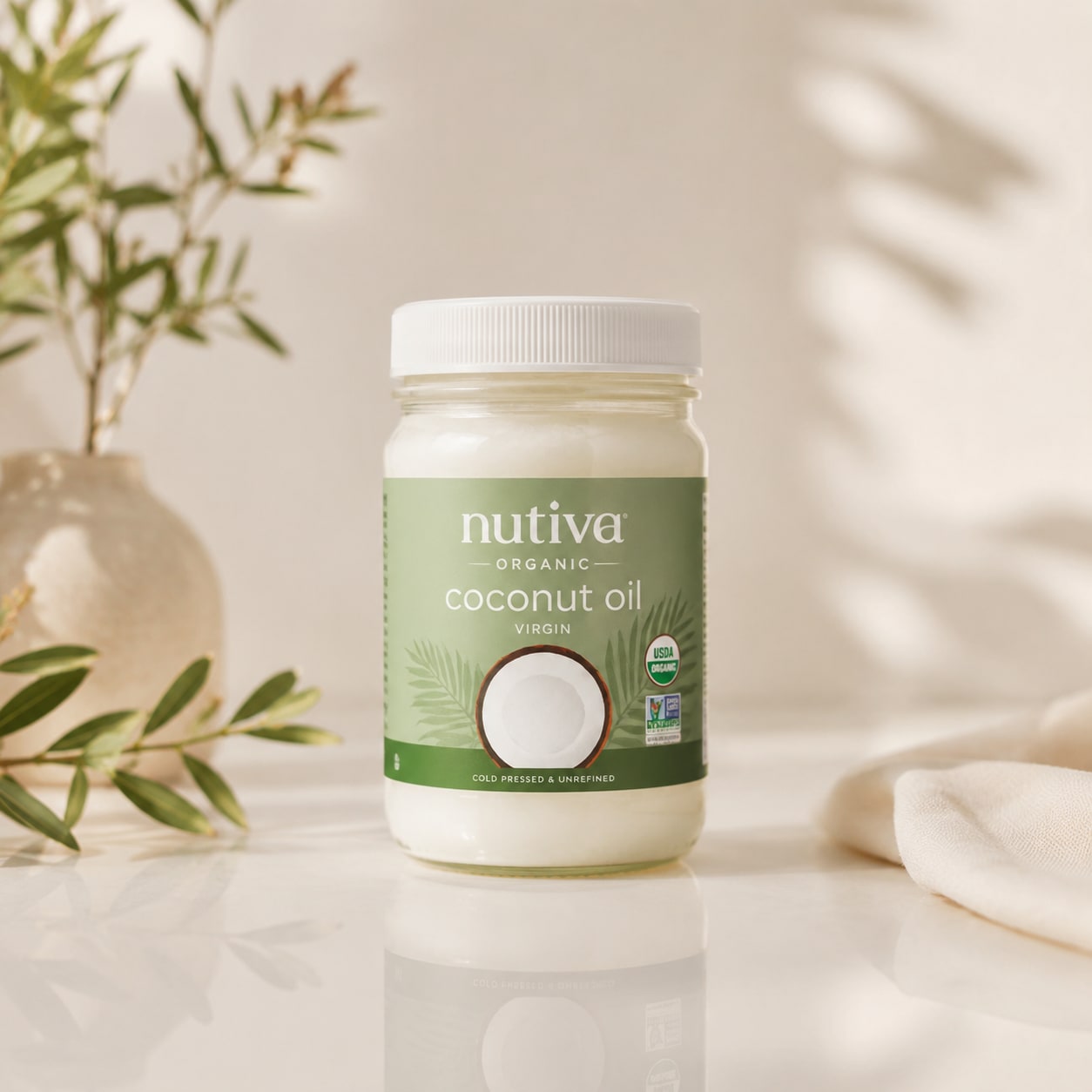 Nutiva Organic Virgin Coconut Oil Nutiva | $12.49 | 4.6/5 | 14 fl oz | Cold-pressed | Coconut | Amazon ↗ |
 Molivera Organics Castor Oil Molivera Organics | $12.99 | 4.6/5 | 16 fl oz | Cold-pressed | Unscented | Amazon ↗ |
 NOW Solutions Sweet Almond Oil NOW Solutions | $10.29 | 4.6/5 | 16 fl oz | Expeller-pressed | Mild nutty | Amazon ↗ |
 NOW Solutions Grapeseed Oil NOW Solutions | $8.99 | 4.6/5 | 16 fl oz | Expeller-pressed | Neutral | Amazon ↗ |
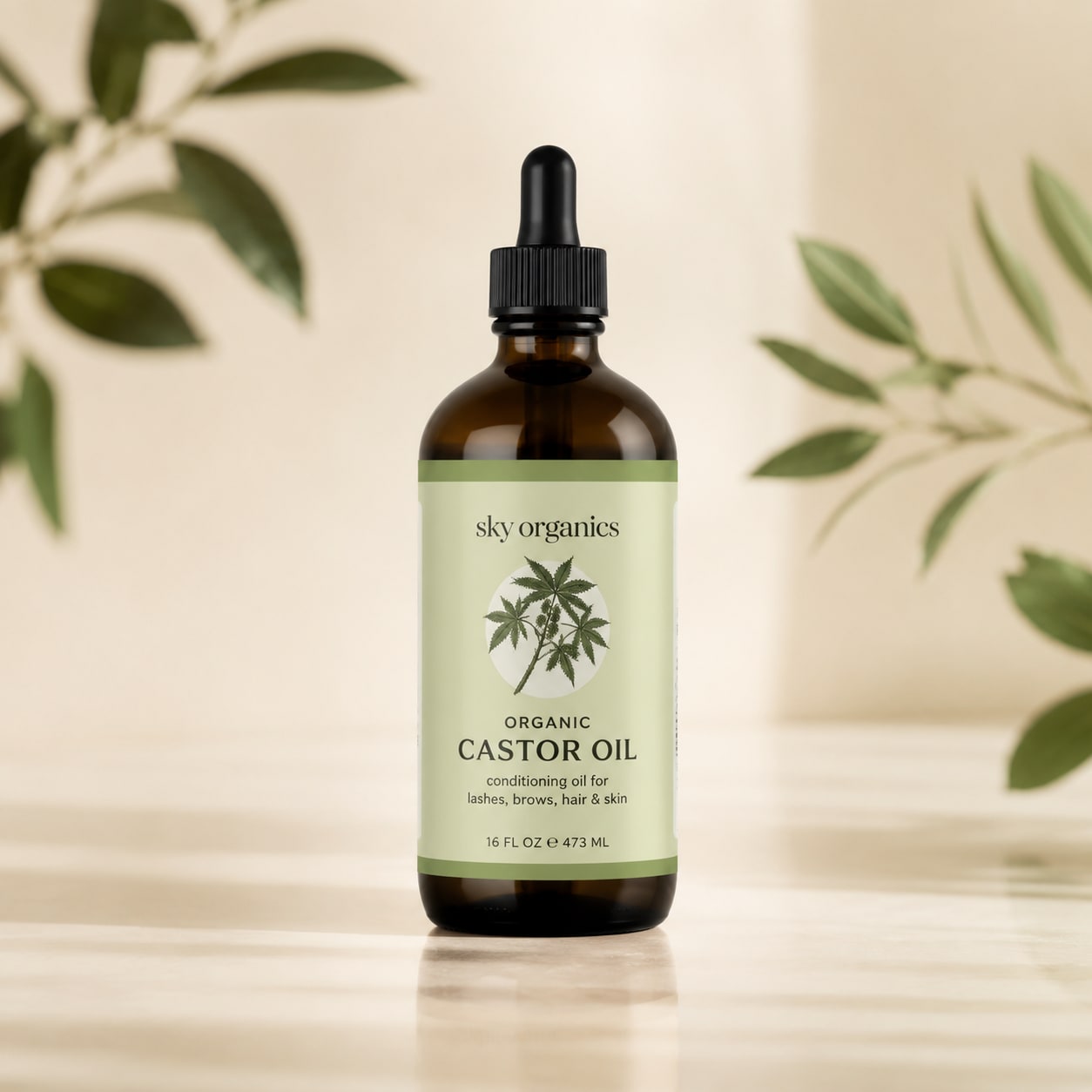 Sky Organics Organic Castor Oil Sky Organics | $14.95 | 4.6/5 | 16 fl oz | Cold-pressed | Natural | Amazon ↗ |
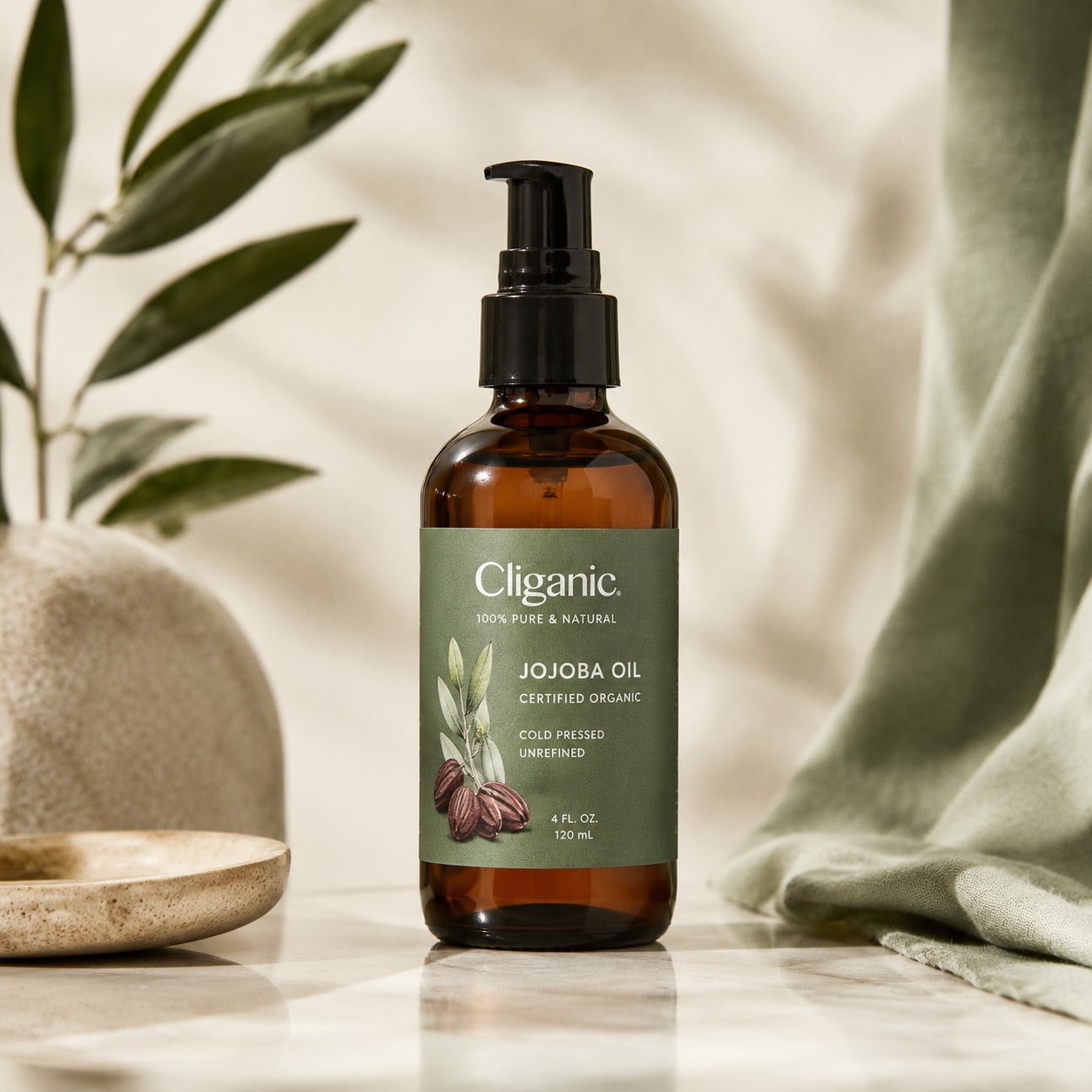 Cliganic Organic Jojoba Oil Cliganic | $9.99 | 4.6/5 | 4 fl oz | Cold-pressed | Unscented | Amazon ↗ |
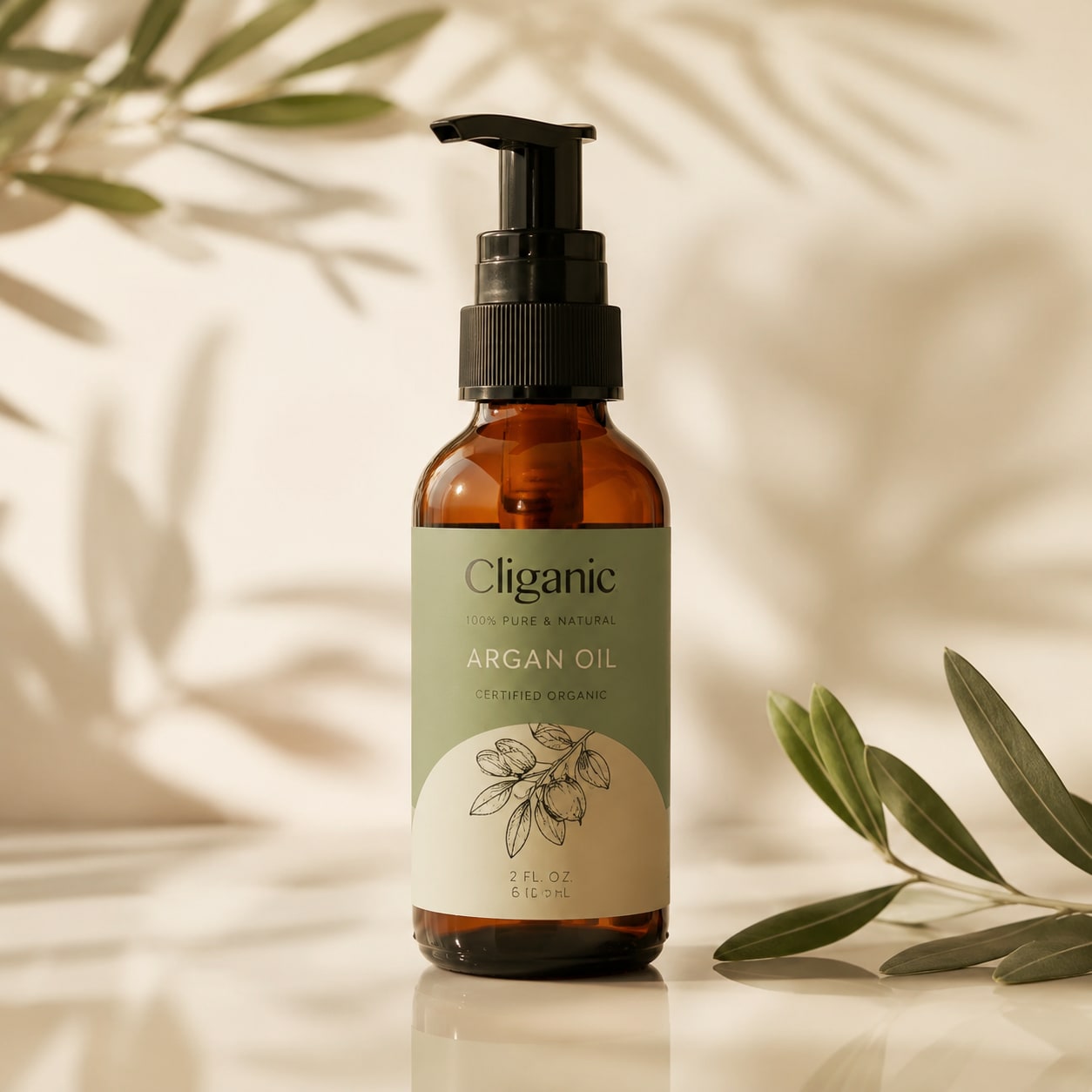 Cliganic Organic Argan Oil Cliganic | $12.95 | 4.6/5 | 2 fl oz | Cold-pressed | Neutral | Amazon ↗ |
Choosing the right oil starts with behavior, not trends
The most common mistake in hair oil routines is choosing by popularity alone. Trend cycles favor dramatic before-and-after stories, but they rarely mention porosity, styling load, or wash cadence. In practice, the “best” oil is the one your hair will actually tolerate in a sustainable routine. Thick oils can be transformative for dehydrated, high-density hair and feel sticky on fine strands. Lightweight oils can make fine hair glossy and can disappear too quickly on very dry curls.
Start with texture and density. Fine, low-density hair generally responds better to lighter oils such as grapeseed or jojoba, especially when used in drops rather than palmfuls. Medium to thick hair with high dryness often tolerates richer options such as castor or coconut when used as pre-shampoo or overnight protection on ends. Curly and coily patterns often benefit from layered routines where oil follows water-based hydration rather than replacing it.
Next evaluate scalp behavior. If your scalp gets oily quickly, focus on oils that can be used sparingly and rinsed cleanly. Tea tree blends are often used for scalp freshness, while rosemary blends are used for scalp massage and routine support. If you are sensitive, patch test first and avoid heavy fragrance loads. Scalp comfort is as important as shine because an irritated scalp can undermine adherence to any otherwise good routine.
Climate matters more than many guides acknowledge. In dry climates, sealing with a moderate-weight oil after hydration helps reduce moisture loss. In humid climates, heavy oils can trap sweat and styling residue if overapplied. Seasonal adjustments are normal. What works in winter can feel excessive in summer, particularly for users who heat-style less in warmer months.
What each major oil family is best known for
Castor oil is typically chosen for its dense texture and occlusive feel. It is often used in targeted routines for ends, edges, and protective styles where users want lasting seal. Argan oil is known for smoothing and cosmetic softness with less weight, making it a staple for frizz management and post-styling finish. Coconut oil is widely used pre-shampoo because its fatty acid profile can reduce protein loss in some contexts, though it can feel rigid on protein-sensitive hair if overused.
Jojoba oil is frequently selected for lightweight balancing routines because it spreads well and is generally easy to layer. Rosemary-focused blends are popular in scalp massage routines where users want a refreshing sensory profile and consistent weekly application. Tea tree oils are typically used in diluted scalp-focused products for freshness and buildup control. Almond and grapeseed oils often appeal to users who want a softer finish without excessive residue.
No single oil wins every category. That is why our guides break recommendations into realistic contexts. For example, the best castor strategy for curly hair may be occasional sealing plus lighter daytime styling, while the best grapeseed strategy for fine hair may be micro-dosing on ends only. Context transforms outcomes.
Application principles that improve results quickly
Use less than you think. Over-application creates buildup, dullness, and unnecessary washing. For most users, 2 to 6 drops is enough for leave-in shine support; pre-shampoo routines may use more depending on density and length. Warm product between palms before application to improve spread and prevent concentrated patches that attract lint and dust.
Apply strategically by zone. Ends usually need more protection than roots. Mid-lengths benefit from small, even amounts for friction reduction. Scalp application should be purposeful rather than habitual, especially if your scalp already produces significant oil. If you are doing scalp massage, keep sessions short and evaluate tolerance over two to four weeks.
Pair oils with your wash routine. If you wash two to three times weekly, heavier oils can be easier to manage. If you wash less often, prioritize lighter oils or reduced dose to prevent accumulation. Clarifying periodically helps reset performance, especially when using silicone-rich stylers, dry shampoo, or hard-water environments.
Track outcomes with simple markers: next-day feel, frizz in your usual weather, ease of detangling, and residue at scalp. Small observations beat dramatic assumptions. If a product performs in three of four areas, tweak quantity first before replacing the oil entirely.
Our methodology
We evaluate products through a framework designed for practical consumer decisions. Inputs include ingredient profile, concentration format, texture behavior, price per ounce, review volume quality, and hair-type alignment from catalog data. We do not rank based on brand recognition alone. We prioritize products that demonstrate clear fit for specific use cases.
Every recommendation is filtered through one core question: “Who is this best for, and when does it fail?” This reduces generic advice and helps users avoid expensive trial cycles. We also separate scalp-focused use from shaft-focused use, since those goals require different textures and application frequencies.
We review each oil across all six hair-type contexts so gaps become visible. A product that excels for thick hair may rank lower for fine hair if residue risk is high. A lighter oil with modest scent may rank highly for daily use even if it does not provide maximal overnight sealing.
We continuously refresh product availability and metadata in the catalog. Ratings and counts can shift over time, so we focus on pattern stability instead of one-week spikes. When users report conflicting outcomes, we treat that as signal to clarify dosage, routine pairing, or likely mismatch by porosity and styling load.
Finally, we avoid unsupported medical claims. Hair growth and shedding concerns can involve nutrition, stress, hormones, and scalp health factors outside cosmetic oils. Our content is educational and routine-oriented; persistent concerns should be discussed with a licensed professional.
How to pick your next page from this guide
If you want immediate action, choose one oil you already own and open the guide for your hair type. Follow that routine for two weeks with controlled quantity changes. If outcomes improve, keep the routine and only test one variable at a time. If outcomes worsen, pivot to a lighter or richer oil based on the symptom: heaviness suggests going lighter, persistent dry feel suggests better layering with hydration or a richer seal.
If you are still undecided, begin with jojoba or argan for versatility, then branch into castor or coconut for deeper sealing needs, or tea tree and rosemary for scalp-focused goals. Almond and grapeseed are strong alternatives when you need slip and shine with lower perceived weight.
This guide is designed to stay useful as your hair changes. Revisit seasonally, especially after color services, major cuts, or shifts in styling habits. Hair care works best when routines evolve with real conditions rather than fixed rules.
Frequently Asked Questions
How do I choose the right hair oil for my hair type?
Start with texture, density, scalp behavior, and wash frequency. Fine hair usually needs jojoba or grapeseed; thick or dry hair often tolerates coconut, argan, or castor on ends.
How often should I oil my hair?
Most routines perform best with 1 to 3 applications per week. Daily use can work if the dose is very small and matched to a lightweight oil.
How much hair oil should I use?
Start with a few drops for shoulder-length hair on mid-lengths and ends. Fine hair often needs one to two drops; thick hair may need sectioned teaspoons for pre-shampoo only.
Which oil is best for an oily scalp?
Keep rich oils off the roots. Jojoba or grapeseed on ends, plus diluted tea tree or rosemary on the scalp before washing, usually fit oily-scalp routines better than coconut or castor leave-in.
Should I use oil as a pre-shampoo or leave-in?
Richer oils (coconut, castor, almond) usually shine as pre-shampoo treatments. Lighter oils (jojoba, grapeseed, argan) suit damp or dry leave-in seals in tiny doses.
Can one oil work for every hair type?
Usually no. Oils behave differently by porosity, density, climate, and styling load, which is why recommendations are organized by both oil and hair type.