
Updated September 2026
Best Coconut Oil for Thick Hair
Coconut oil for thick hair: ranked picks, sectioned dosing, product trade-offs, and when to switch to lighter oils.
Compare options
Side-by-side comparison
Sort by rating, price, or specs to find the best fit for thick hair.
| Product | Buy | |||||
|---|---|---|---|---|---|---|
 Viva Naturals Organic Coconut Oil Viva Naturals | $16.99 | 4.7/5 | 16 fl oz | Cold-pressed | Natural coconut | Amazon ↗ |
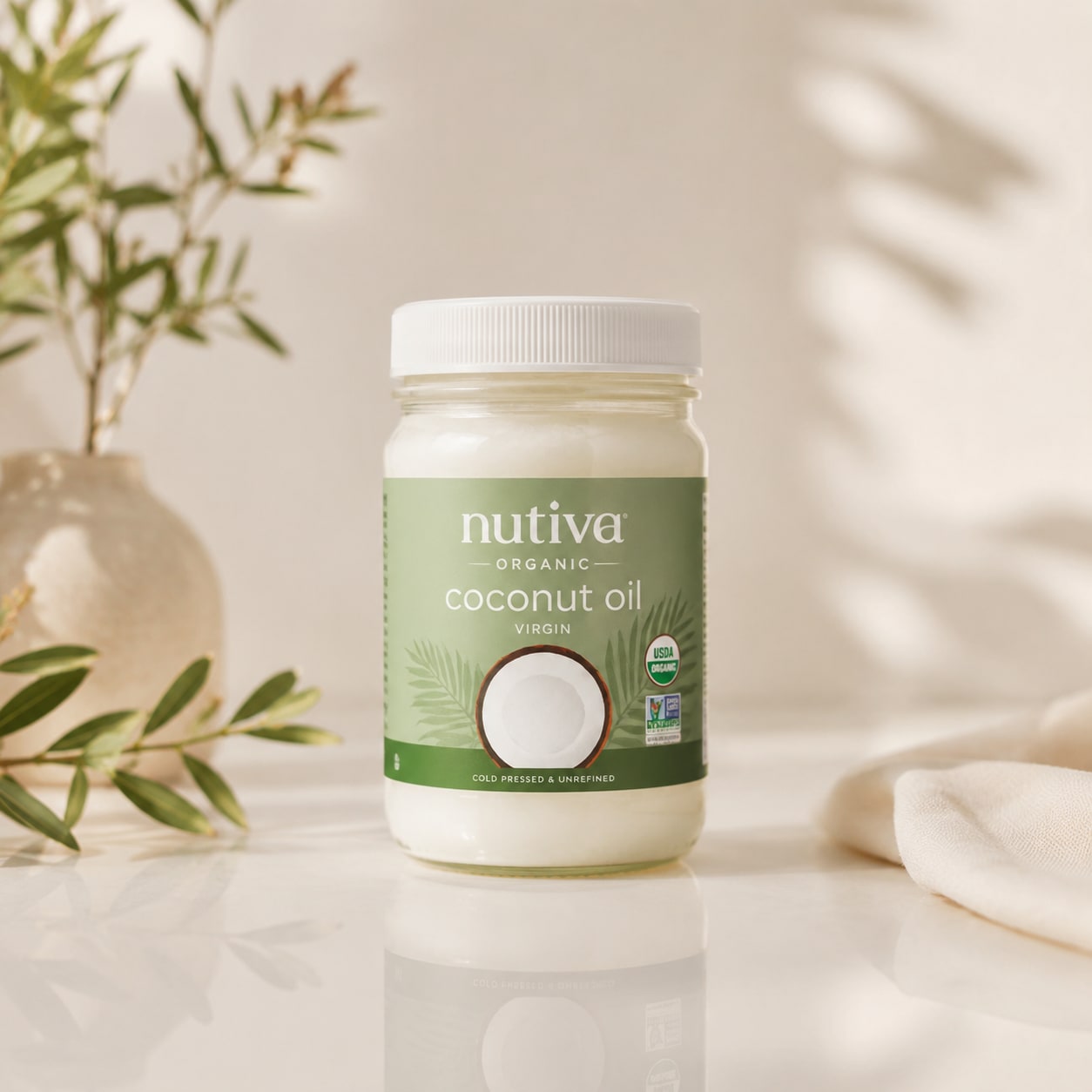 Nutiva Organic Virgin Coconut Oil Nutiva | $12.49 | 4.6/5 | 14 fl oz | Cold-pressed | Coconut | Amazon ↗ |
 Garden of Life Organic Coconut Oil Garden of Life | $13.25 | 4.4/5 | 16 fl oz | Expeller-pressed | Natural coconut | Amazon ↗ |
Bottom line: For thick hair, virgin coconut oil is usually strongest as a sectioned pre-shampoo (30–90 minutes), not as a heavy daily leave-in. Pick Garden of Life when you want a firmer solid that melts cleanly into dense sections, Viva Naturals when you need a softer jar that spreads through long lengths fast, and Nutiva when you want a widely available organic option at a lower cost per ounce. If inner layers stay dry while the surface looks shiny, you need better sectioning — not a thicker oil.
We ranked the options above by how realistically they deliver even pre-shampoo conditioning and lasting seal on coarse or high-porosity hair in everyday use, not by overnight-transformation claims.
Coconut oil trade-offs for thick hair
Coconut’s medium-chain fatty acids can reduce roughness during combing on many thick textures, but protein-sensitive or low-porosity hair may feel stiff with frequent leave-in use. Match placement and frequency to how quickly your hair shows residue.
| Product | Best if you… | Watch for… |
|---|---|---|
| Garden of Life coconut oil | Want a solid that melts in palms for controlled, sectioned coats | Needs warming; can feel firm in cool bathrooms |
| Viva Naturals coconut oil | Have long, dense hair and need faster spread | Easy to over-pour from a soft jar |
| Nutiva organic coconut oil | Want organic coconut at a practical monthly cost | Similar weight — still needs dose control |
How we ranked these picks
Each product was scored for texture fit, dose control, wash-day recovery, and review consistency. Products that needed oversized amounts or left stubborn residue ranked lower.
How to apply coconut oil on thick hair
Pre-shampoo: Section dry hair. Apply a measured amount to mid-lengths and ends. Leave 30–90 minutes. Shampoo with emulsification-first technique.
Post-wash seal: On damp hair after leave-in, warm a small dose between palms and press through sections from mid-shaft down.
Refresh days: Use only residual oil on palms for flyaways.
Dosage quick reference
| Hair zone | Starting amount | Adjust if… |
|---|---|---|
| Ends | 1–2 teaspoons pre-shampoo | Still rough after drying → add one drop, not a palmful |
| Mid-lengths | Half of end amount | Coated feel → reduce by 30% next session |
| Roots / scalp | Only if your profile tolerates it | Itch or flatness → stop root application for two weeks |
Track results across two full wash cycles before changing products.
For lighter thick-hair options when coconut feels heavy, see best jojoba oil for thick hair or the thick hair oil hub.
When to try a different oil
Switch oils if after two weeks you see persistent flat roots, greasy crown despite lower doses, or scalp itch after scalp application. Common pivots include grapeseed or jojoba if coconut feels heavy, or castor on ends if moisture vanishes too quickly — change one variable at a time.
Troubleshooting checklist
- Coated feel: Cut dose by 30–50% and move application to damp hair.
- No visible benefit: Confirm you applied on hydrated hair; oil seals moisture — it does not replace it.
- Buildup: Double-cleanse when using richer oils.
- Inconsistent results: Keep a two-week log before abandoning the product.
Frequently Asked Questions
How often should I use coconut oil on thick hair?
Most people with thick hair do best with one to three applications weekly depending on climate and heat styling. Adjust after two wash cycles based on buildup, scalp comfort, and how ends feel on day two.
Should coconut oil go on scalp or lengths for thick hair?
For thick hair, section hair and apply in layers from mid-shaft down; pre-shampoo works well. Start with lengths; add scalp only if your scalp tolerates oils and you use a light, diluted dose.
Can I mix coconut oil with leave-in conditioner on thick hair?
Yes. Mixing a few drops into leave-in on damp hair often improves spread. Protein-sensitive or low-porosity hair may feel stiff with frequent leave-in coconut, so keep post-wash doses tiny.
What if coconut oil makes my thick hair feel greasy?
Reduce dose first, then shift timing to pre-shampoo only. Double-cleanse or shampoo on damp oiled hair. Greasy feel usually means quantity or placement — not necessarily a bad product match.
Is coconut oil safe for color-treated or damaged hair?
If your hair is color-treated or damaged, focus on ends and pair with gentle cleansing. Oils support the cuticle cosmetically — they do not replace professional repair for severe damage.
How much coconut oil should thick hair use?
Start with one to two teaspoons sectioned through dry mid-lengths and ends for a pre-shampoo. For damp leave-in sealing, try three to five drops only if hair stays flexible after drying.
Where to go next
Related guides
Keep exploring
A couple of related pairings — one other oil for this hair profile, and the same oil on one other hair type.
Another oil for thick hair
Coconut Oil on another hair type
Get weekly oil recommendations
Concise routines, product updates, and new oil + hair type guides — matched to your hair goals.