Comparisons
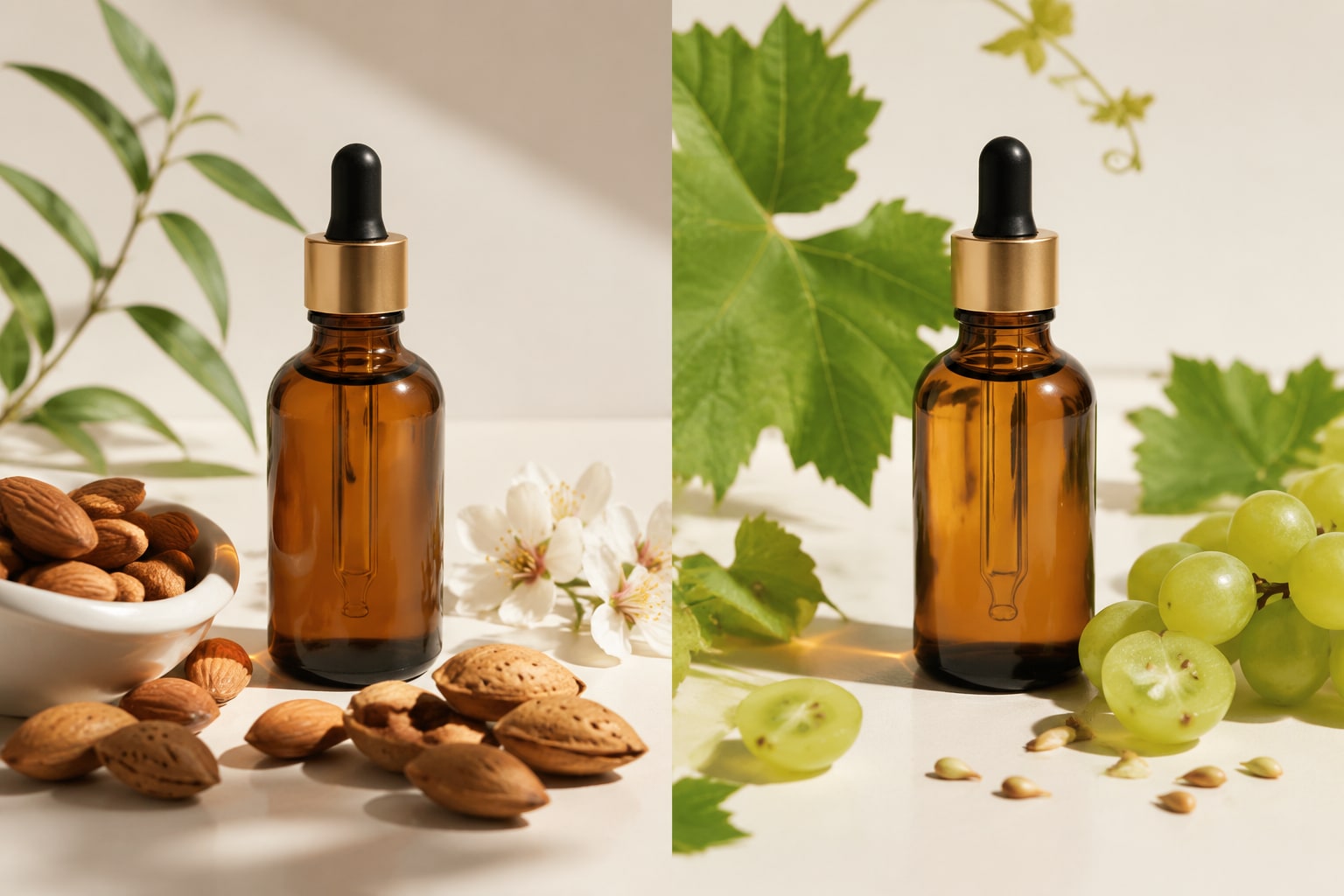
Almond vs Grapeseed Oil for Hair: Which Is Lighter?
Almond vs grapeseed for hair: which is lighter, which softens dry ends, and how to choose for fine or humid-weather routines.
See how castor and coconut oils differ in slip, sealing power, protein sensitivity, and removal effort, with comparison tables.
Castor oil and coconut oil are both heavy hitters in pre-shampoo routines, but they behave differently on hair. Coconut penetrates more readily for some textures and is famous for pre-wash protection; castor sits heavily on the surface and seals aggressively. Coconut can feel stiff on protein-sensitive hair; castor can feel sticky if overapplied. Choosing between them—or using both on different days—starts with your porosity, wash schedule, and how your hair feels after cleansing.
| Factor | Castor oil | Coconut oil |
|---|---|---|
| Weight | Very heavy | Heavy |
| Penetration | Mostly surface seal | Penetrates more for many users |
| Best timing | Pre-shampoo, end seal | Pre-shampoo primary |
| Protein-sensitive hair | Usually tolerable | May feel stiff |
| Solid at cool temps | No | Often yes |
| Wash removal | High effort | Moderate to high |
| Scalp use | Diluted only | Lengths preferred |
| Shine | Glossy seal | Soft, sometimes dull if overused |
| Leave-in on fine hair | Poor | Poor to moderate |
Coconut is the classic pre-wash oil for reducing roughness during shampooing and combing. Its lauric acid profile supports a protective layer that many thick and curly routines rely on weekly.
Castor pre-shampoo targets extreme end dryness and protective-style maintenance. It does not replace coconut’s pre-wash reputation for general strand protection but can outperform coconut on the driest tips when stiffness is not an issue.
| Hair need | Start with |
|---|---|
| Wash-day breakage | Coconut pre-shampoo |
| Day-three end roughness | Castor pre-shampoo on tips |
| Thick curly weekly mask | Coconut sectioned |
| Braided ends drying out | Castor micro-dose on tips |
Neither oil is ideal as a daily root leave-in for most textures. Coconut leave-in on fine hair often accelerates buildup; castor leave-in flattens faster.
For mids and ends only: coconut in melted micro-amounts can work on dry climates; castor in two to three drops can seal porous tips between washes. Fine hair should default to neither daily—use weekly pre-shampoo instead.
Some users report coconut makes hair feel hard or straw-like after repeated use. That is often protein-moisture balance or overuse, not universal coconut failure. Reducing frequency or restricting coconut to pre-shampoo usually resolves stiffness.
Castor rarely causes the same protein-linked stiffness narrative but can feel waxy and coated when removal is incomplete.
| After use hair feels… | Try |
|---|---|
| Stiff, rough | Reduce coconut; check conditioner balance |
| Coated, sticky | Improve castor removal; cut dose |
| Soft pre-wash, good post-wash | Keep current oil |
Both oils demand intentional wash technique. Apply shampoo to oiled dry hair, emulsify, rinse, repeat if needed.
Coconut solidifies in cool bathrooms—warm between palms before applying to avoid chunky patches. Castor stays viscous; overpouring from bottle is the common error.
| Cleanser habit | Notes |
|---|---|
| Gentle shampoo only | May need two passes for castor |
| Clarifying monthly | Helps both when layering stylers |
| Co-wash only | Avoid heavy castor/coconut pre-shampoo |
Alternate weeks or split by zone on pre-shampoo night: coconut through mid-lengths, castor on last inch of ends only. Do not stack full tablespoons of each unless you plan a long wash session.
Week A: one pre-shampoo session with coconut at fixed dose. Week B: same dose and timing with castor on same sections. Compare wet combing ease, day-two end feel, and wash removal time—not instant shine.
Coconut may solidify in cool bathrooms; warm the jar or scoop between palms until liquid before sectioning. Castor stays viscous year-round, which makes dropper control important. Pour castor into your palm first—never directly onto hair from the bottle—because overpour is harder to reverse with castor than with melted coconut.
If you combine both on pre-shampoo night, use coconut through mid-lengths and castor only on the last inch of ends. That split reduces wash time while still targeting the zones each oil handles best.
Castor oil vs coconut oil comes down to pre-shampoo purpose and hair response. Coconut leads for general pre-wash protection and thick-texture weekly masks. Castor leads for stubborn end dryness and long-lasting tip seal when you can cleanse thoroughly.
Pick the friction point—wash-day roughness vs mid-week tip dryness—test fairly for two weeks, and keep the oil that improves handling with the least extra wash frustration.
Compare best castor oil for dry damaged hair and best coconut oil for curly hair. Technique: pre-shampoo vs leave-in oil.
Neither wins for everyone. Castor is thicker and better for sealing; coconut often suits pre-wash penetration on dense or porous hair.
Usually coconut in very small pre-wash doses, or skip both for lighter oils like jojoba or grapeseed.
Both can help. Castor seals ends; coconut is a common pre-shampoo choice. Match to porosity and cleanup tolerance.
Yes — a castor-leaning blend for ends, or coconut first then a castor seal. Keep total dose modest.
Coconut often rinses more easily than pure castor. Castor may need warmer water and thorough shampooing.
Open the ranked guides for your hair type rather than buying both at full strength first.
Almond vs grapeseed for hair: which is lighter, which softens dry ends, and how to choose for fine or humid-weather routines.
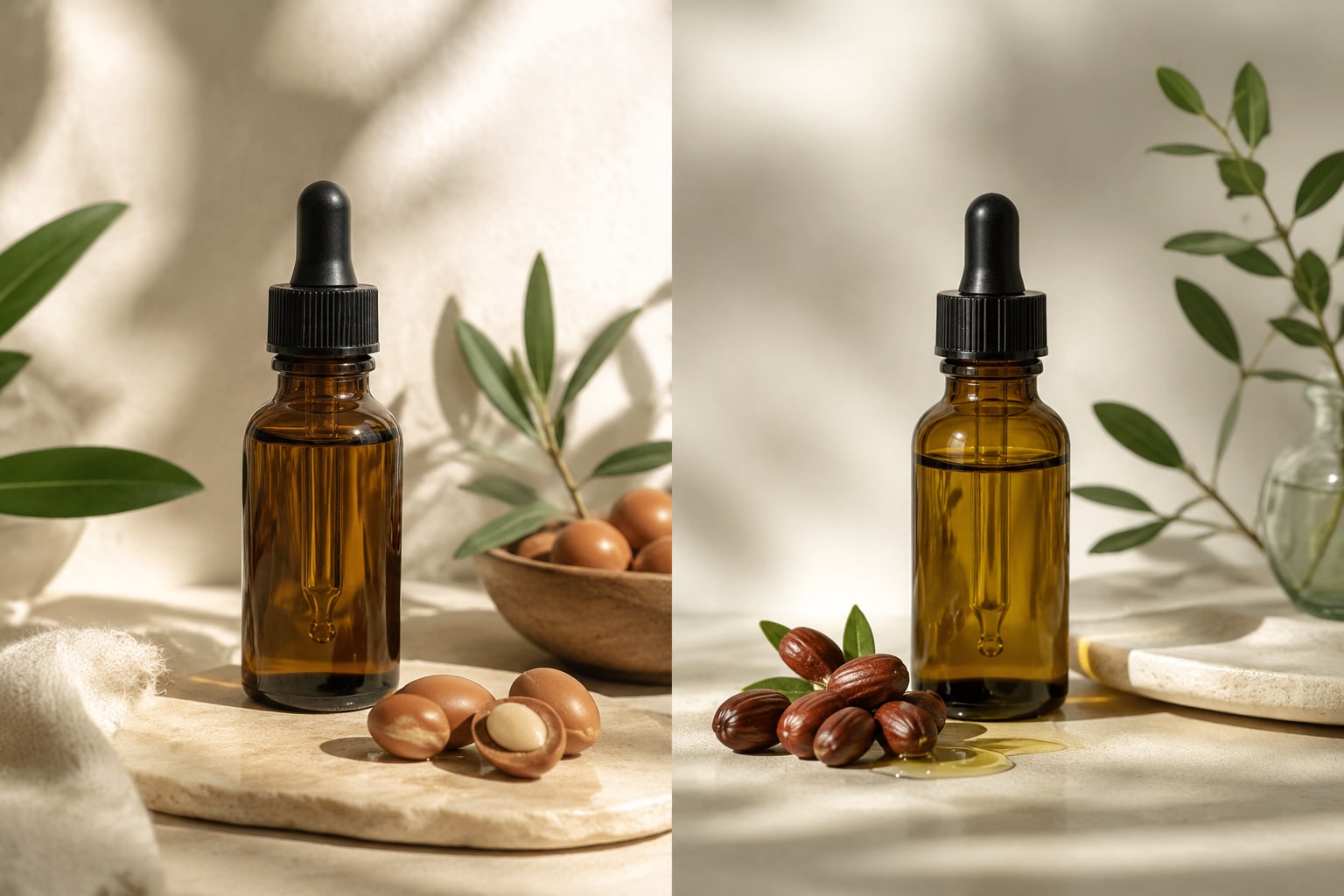
Argan and jojoba compared for shine, frizz control, scalp tolerance, and daily wearability with tables and choose-if guidance.
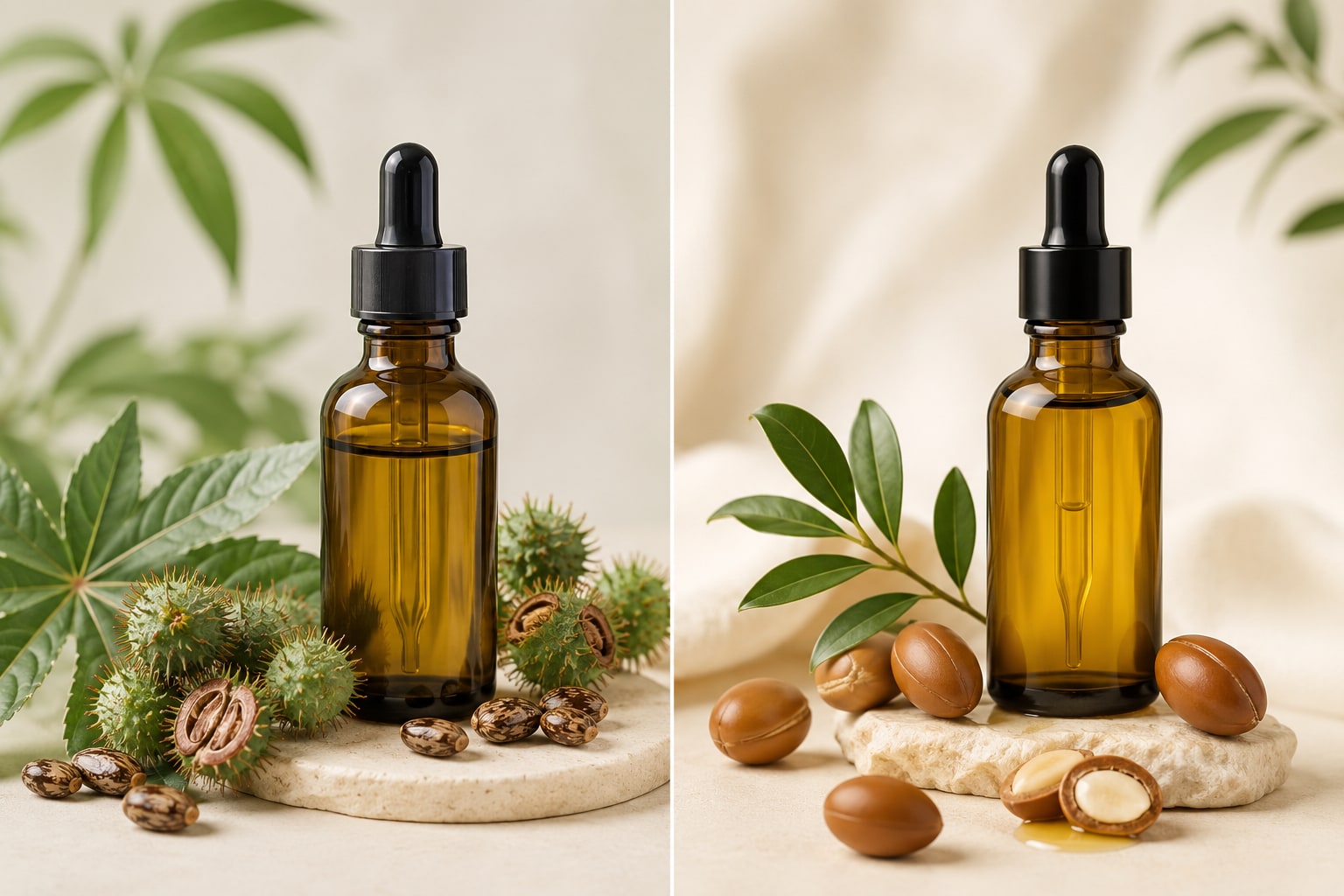
Compare castor and argan oil for texture, shine, buildup risk, and routine fit with side-by-side tables and choose-if guidance.