Oil Types
Castor Oil for Hair: Complete Guide (2026)
Learn how castor oil supports moisture retention, scalp comfort, and stronger-feeling ends when used with the right dose and timing.
Learn the cosmetic benefits of castor oil for hair, from moisture sealing to smoother ends, plus practical routines, doses, and what to expect.
Castor oil has been a staple in hair care routines for generations, and its popularity persists for practical reasons rather than hype alone. The oil is thick, glossy, and highly occlusive, which means it can seal moisture into the hair shaft and reduce friction where strands rub against clothing, pillowcases, and styling tools. When used with the right dose and timing, many people notice smoother ends, easier detangling, and hair that feels less brittle between wash days.
This guide explains what castor oil can realistically do for hair from a cosmetic perspective, how its chemistry shapes those results, and how to build a routine that fits your texture. It is not a medical guide. Castor oil cannot reverse genetic thinning, hormonal changes, or scalp conditions that require professional care. What it can offer is better handling, improved surface feel, and a stronger moisture seal when paired with hydration rather than used alone.
For a full breakdown of products, routines, and hair-type fit, see our castor oil guide. For curated picks across all oil types, start with best hair oils.
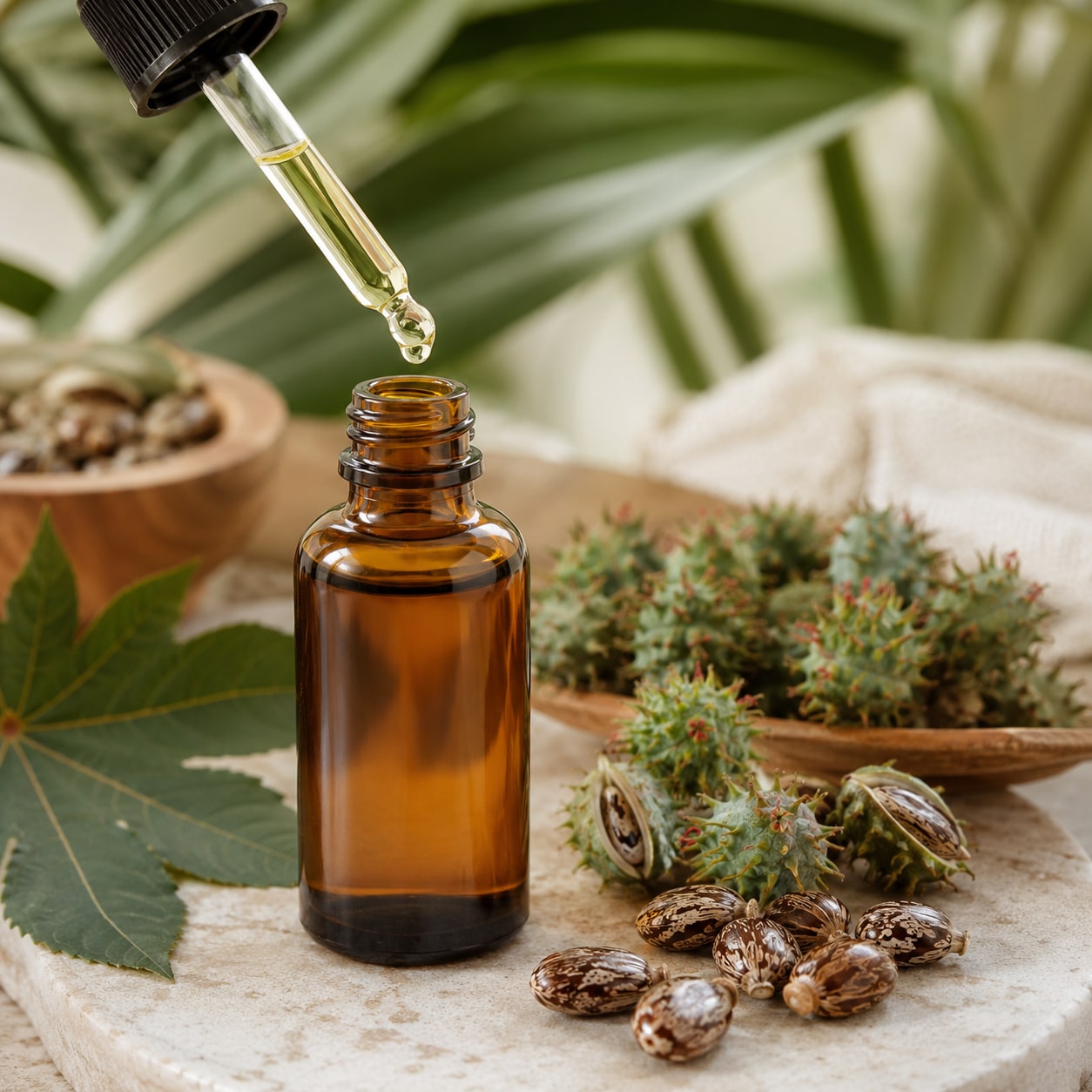
Castor oil is extracted from the seeds of the castor plant and is dominated by ricinoleic acid, a fatty acid that gives the oil its distinctive viscosity. Compared with argan, jojoba, or grapeseed, castor spreads more slowly and clings longer once applied. That cling is the core of its benefit profile: castor creates a durable sealing layer that helps hair retain the moisture already present from water, conditioner, or leave-in products.
The trade-off is weight. Castor is one of the heaviest common hair oils, which means overapplication leads quickly to limp roots, coated texture, and longer wash sessions. Users with fine or low-density hair often need smaller doses or dilution with lighter carriers. Users with thick, curly, or high-porosity hair frequently tolerate castor better because their strand structure and dryness levels benefit from stronger sealing.
Cold-pressed and expeller-pressed castor oils are the most common cosmetic grades. Jamaican black castor oil, which is roasted before pressing, has a darker color and slightly different feel; some users prefer it for scalp massage, while others find standard castor easier to rinse. Quality matters less than technique for most people, but clear labeling and a dispenser that supports small doses make routine consistency easier.
The most immediate benefit is reduced roughness on dry or damaged sections. Castor lubricates the cuticle surface, which lowers friction during combing and styling. Hair that snags less during handling experiences less mechanical breakage over time. This is not structural repair—split ends still need trimming—but smoother handling supports length retention when breakage is your main frustration.
Castor does not hydrate hair by itself. It works as an occlusive layer that slows water loss from previously moisturized strands. Applied over damp hair after leave-in conditioner, a few drops on mids and ends can extend the soft, flexible feel into day two or day three. Applied to dry hair without a hydration base, castor may trap dryness instead of improving it. Always pair castor with moisture first for the best cosmetic outcome.
Thick, curly, and coily textures often report easier detangling when castor is used as a pre-shampoo treatment or a light post-wash seal. The oil adds slip that helps fingers or a wide-tooth comb move through sections with less pulling. Gentle detangling reduces the single-strand knots and snapped ends that accumulate when hair is handled roughly on wash day.
Braids, twists, buns, and pinned styles expose certain sections to ongoing dryness, especially at the perimeter and tips. A small amount of castor on those exposed areas can maintain flexibility so styles look neater for longer. The key is sparing application; protective styles fail cosmetically when oil buildup forces early takedown and re-washing.
Some users include diluted castor in a weekly scalp massage ritual. Ricinoleic acid contributes to the oil’s dense feel on skin as well as hair. Massage with light fingertip pressure may support a comfortable scalp environment when done briefly and followed by thorough cleansing. If itch, redness, or irritation appears, stop use and simplify your routine. Persistent scalp changes deserve professional evaluation.
Setting realistic expectations prevents disappointment and product abandonment. Castor oil has not been proven to regrow hair on a predictable timeline for the general population. Social media before-and-after photos often omit genetics, nutrition, medical treatment, and months of consistent care. Cosmetic oils improve the conditions around your hair—they do not replace dermatology care for patchy loss, sudden shedding, or inflamed scalp conditions.
Castor also cannot fix split ends. It may temporarily smooth their appearance, but the structural damage remains until you trim. Similarly, castor cannot undo heat or chemical damage; it can only improve surface feel and reduce further mechanical stress while you rebuild routine health.
Finally, castor is not a substitute for shampoo. Its occlusive nature means residue accumulates if removal is rushed. Users who skip proper cleansing often blame the oil when the real issue is incomplete wash technique.
| Method | Best for | Typical dose | Contact time |
|---|---|---|---|
| Pre-shampoo treatment | Dry or thick hair, pre-wash protection | 1 tsp to 1 tbsp on lengths | 30 min to overnight |
| Post-wash seal | Porous ends after leave-in | 2 to 6 drops on damp mids/ends | Until next wash |
| Scalp massage blend | Occasional scalp ritual | 3 to 5 drops castor in 1 tbsp carrier | 1 to 3 hours, then wash |
| Protective-style touch-up | Exposed ends in braids or twists | 1 to 2 drops on dry tips | Between wash days |
Section dry hair and apply castor from mid-lengths through ends. Avoid saturating roots unless your scalp is genuinely dry. Leave for 30 to 90 minutes, or overnight with a bonnet if your hair tolerates it. On wash day, apply shampoo to dry or damp oiled hair first, emulsify thoroughly, then rinse. Repeat once if needed before conditioning.
After leave-in conditioner on damp hair, warm two to six drops between palms and press into ends. Do not comb heavy amounts through the full length on fine hair. Assess how hair feels once dry; if it looks coated, halve the dose next time.
Mix castor with jojoba or grapeseed at roughly one part castor to three or four parts carrier. Apply along part lines, massage gently for two to three minutes, and wash within a few hours. Never use undiluted castor for long scalp contact if you have a sensitive or oily scalp.
Fine and straight hair usually needs castor only as an occasional pre-shampoo step or in heavy dilution. Daily undiluted castor on fine strands often flattens volume by the afternoon.
Medium and wavy hair can use castor as a weekly pre-shampoo treatment plus a one-to-three-drop finishing seal on dry ends when humidity is low.
Thick, curly, and coily hair often tolerates richer application, but sectioning still matters. Apply by zone rather than pouring from the bottle directly onto hair.
Color-treated and damaged hair may benefit from castor on the most porous ends. Keep roots lighter to avoid accelerating wash frequency, which can contribute to fade.
Oily scalp profiles should keep castor off roots for daily use. Pre-shampoo on lengths only, with same-day cleansing, usually works better than leave-in root application.
Using too much product. Castor rewards precision. Start with half of what you think you need and increase only where hair still feels rough after drying.
Skipping the hydration layer. Apply castor over leave-in or damp hair, not bone-dry strands, when using it as a seal.
Insufficient cleansing. Emulsify shampoo on oiled hair before adding water. One quick rinse rarely removes castor completely.
Expecting overnight transformation. Track detangling ease, end roughness, and breakage over two to four weeks, not a single application.
Applying to an irritated scalp. Pause castor and simplify cleansing until comfort returns.
Look for clear ingredient lists—100% castor oil or transparent blends without vague proprietary mixes. Dark glass bottles can help stability. Dropper caps improve dose control for fine hair; larger bottles suit users who pre-shampoo weekly on long or thick hair.
Store castor in a cool, dry place away from direct sunlight. If the oil smells sharply rancid or causes unexpected irritation, replace the bottle rather than pushing through discomfort.
Castor oil earns its place in hair care through strong sealing power, smoother handling, and flexible use as a pre-shampoo treatment or targeted end seal. Its benefits are cosmetic and cumulative: better slip, softer-feeling lengths, and less friction during styling when dose, hydration, and cleansing stay balanced. It is not a growth miracle or a replacement for professional scalp care.
Build your routine around small amounts, intentional placement, and honest tracking over several wash cycles. Pair castor with moisture, remove it thoroughly on wash day, and adjust for your hair type rather than copying social media volumes. Used that way, castor oil becomes a dependable tool instead of a sticky experiment that sits unused on the shelf.
For product comparisons by hair type, continue to our castor oil type guide or browse best hair oils to see how castor fits alongside argan, coconut, jojoba, and other options.
Learn how castor oil supports moisture retention, scalp comfort, and stronger-feeling ends when used with the right dose and timing.

A practical dosing guide for fine, medium, and thick hair with measurement tables, oil-type ranges, and a quick decision checklist.

Learn how often to oil your hair by texture, wash schedule, and scalp response, with frequency tables and a practical decision checklist.